Polish genealogy for American families
Find the village in Poland your family came from.
We trace your ancestors from American records back to their parish in Poland, find the original entries and translate every word into English.
- See your research plan first, or get 100% back
- Fixed prices from $1,290
- Polish, Latin, Russian and German records
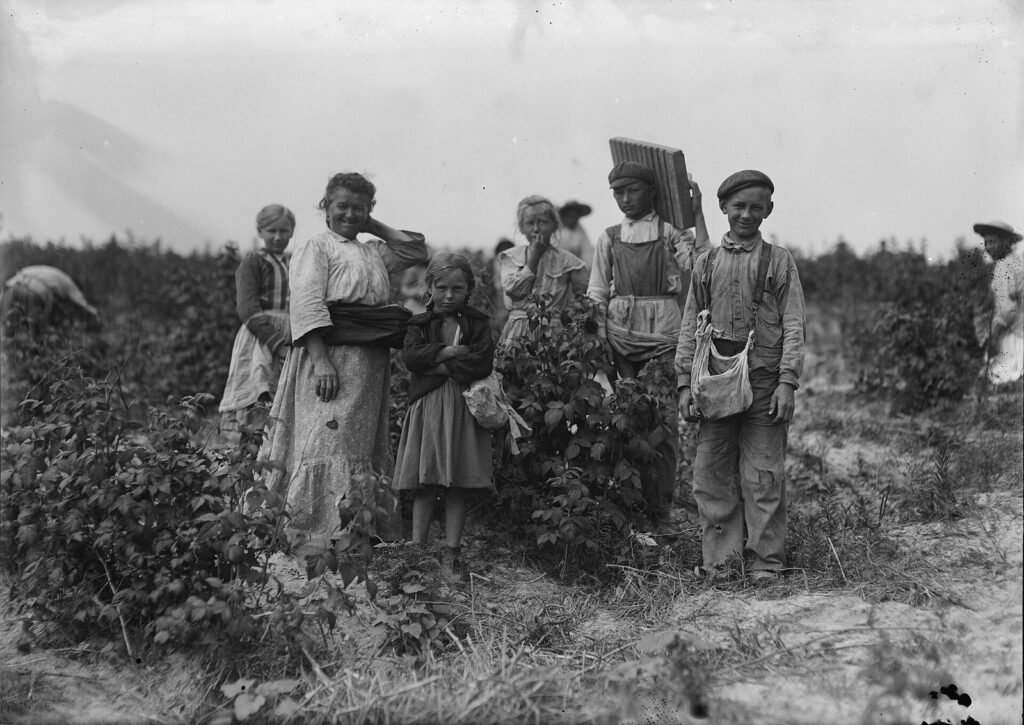
Every Polish-American family story has four chapters.
Our free record guides follow the same path your ancestors took, from the parish in Poland to the city where they settled.
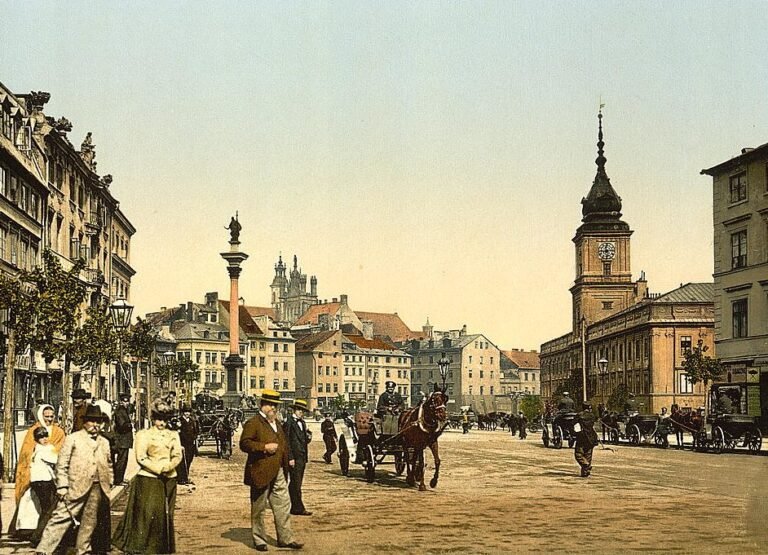
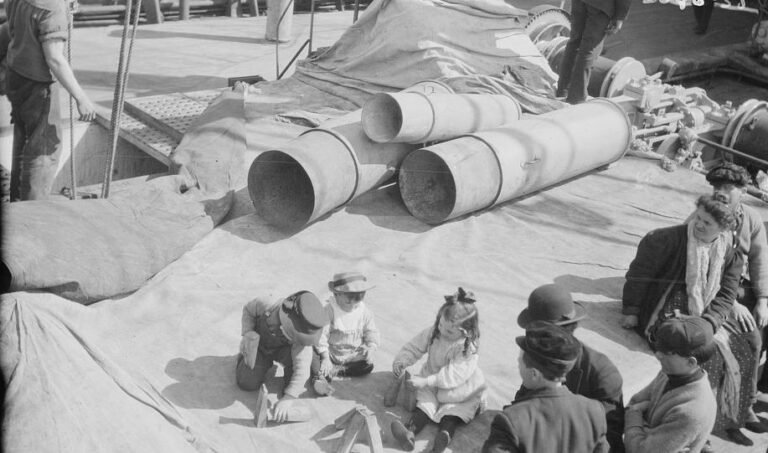
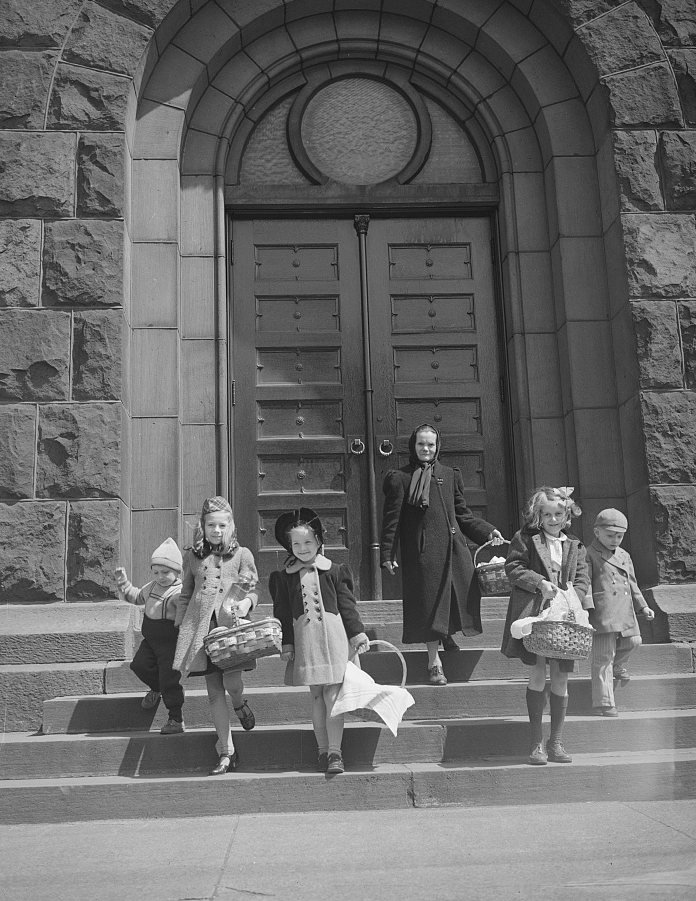
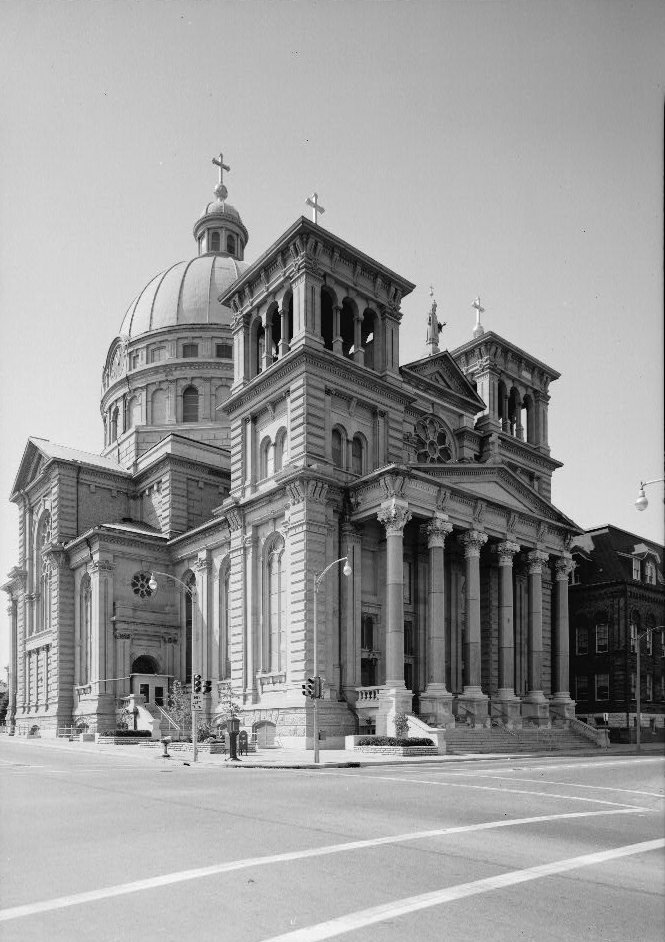
Historical photographs: Library of Congress, Prints & Photographs Division.
The answer often starts in an American record.
Polish immigrants rarely wrote their village on a family tree, but American clerks, priests and draft boards often asked for it. These are the documents we check first.
- Naturalization papers, after 1906
- The declaration and petition ask for the town and country of birth, the ship and the date of arrival.
- Passenger manifests, after 1906
- From 1907 they often name the village twice: as birthplace and in the address of a relative left behind.
- World War I draft cards, 1917
- Men born between 1886 and 1896 registered on June 5, 1917, and the card asks where they were born.
- The 1942 “old man’s draft”
- Men born between 1877 and 1897 registered again and gave their place of birth.
- Polish parish records in America
- Marriage files often give the parish of baptism in Poland, because the priest had to request the certificate.
- Social Security applications
- Form SS-5 gives the date and place of birth and both parents’ names, including the mother’s maiden name.
Why the village is hard to find on your own.
Before 1918 there was no independent Polish state. Your ancestor may be listed as Russian, Austrian or German, the village may be spelled the way an American clerk heard it, and the parish books are written in Polish, Latin, Russian or German.
We work through those layers in order: read the American records closely, match the spelling to a real historical place, then prove each generation in the Polish registers instead of copying it from an online tree.
- 1907 ship manifestBresin, Russia
- 1917 draft cardBrezin, Russia Poland
- 1928 naturalizationBrzeziny, Poland
- Parish book, 1862Parafia Brzeziny
Polish America, city by city.
Polish immigrants built parishes and neighborhoods across the Northeast and the Midwest, and every city kept its own records. Start with the guide for the place your family settled.
Fixed prices, agreed before we start.
Every project is a set number of research hours for one price. Archive fees, copies and translations are included. You will not receive an hourly invoice.
Need a single record? Document retrieval is $195 per record, a translation of a record you already have is $60, and a Polish citizenship assessment is $450.
Evidence your family can understand and keep.
A family tree is only as reliable as the records behind it. Your report keeps the original document beside the translation and explains what each fact proves.
Archive News
What’s new in the records
- Poznan State Archive Posts 66,761 New Scans, Including Two Registry OfficesIn the third quarter of 2026 the State Archives in Poznan published 66,761 new scans online, including civil registry records for Nekla and Nowe Miasto nad Warta.
- Railroad Retirement Board Records at NARA Chicago Close October 13NARA expects Railroad Retirement Board records at Chicago to close on October 13, 2026, and reopen at the National Archives at Boston around January 15, 2027.
- Social Security Lowers SS-5 and Numident Copy Fees from October 1, 2026For requests received on or after October 1, 2026, a copy of an original SS-5 costs $23 and a Numident record $22, down from $27 and $26.
Free guides for American families.
More than seventy guides to Polish and American records, written for researchers in the United States. Start with the questions most families ask.
Researched in Poland, written for American families.
The research is carried out in Poland, close to the state, diocesan and parish archives that hold the records. We read the old handwriting in Polish, Latin, Russian and German, and we write every report for a reader who does not.
Every fact in your report points to its source, with an image of the original entry and a full citation, so another genealogist or a Polish consulate can check it.
- The price is fixed before we start. No hourly billing and no extra archive fees.
- A realistic plan first. If your goal does not fit the project, we tell you before any research hours are used.
- Read the plan before you commit. If the research plan does not convince you, you get 100% back under the Plan-First Guarantee.
- Nothing hidden. Searches that found nothing are listed, so no one pays to repeat them.
Questions American families ask first.
The full FAQ covers records, timelines, payments, citizenship and negative results.
I only know a surname and a US city. Is that enough?
It can be. A surname, rough birth or arrival date and the American city may lead to a naturalization, passenger, church or draft record that names the village.
Do you research both American and Polish records?
Yes. American records often identify the person and place in Poland. Polish parish, civil and archival records then establish the earlier generations.
What if the records were destroyed?
The report lists every archive, collection and date range searched, including searches without a result. Where a record no longer survives, we explain the alternatives and the practical next step.
Can you help with Polish citizenship by descent?
Yes. The separate assessment examines the line first and identifies the Polish and American evidence needed. Document research and retrieval can follow if the line appears viable.
Start with the question your family has always asked.
Where did they come from, who did they leave behind, and what happened to the family in Poland? Choose a project, tell us what you already know, and read your research plan before any research begins. Looking for a gift? Give a research project.