Polish Immigration · Displaced persons
After World War II more than 130,000 people born in Poland, about a third of all the displaced persons admitted, came to America because they could not or would not go home. Their story is well documented, often better than that of the immigrants of 1900, if you know which archives to ask.
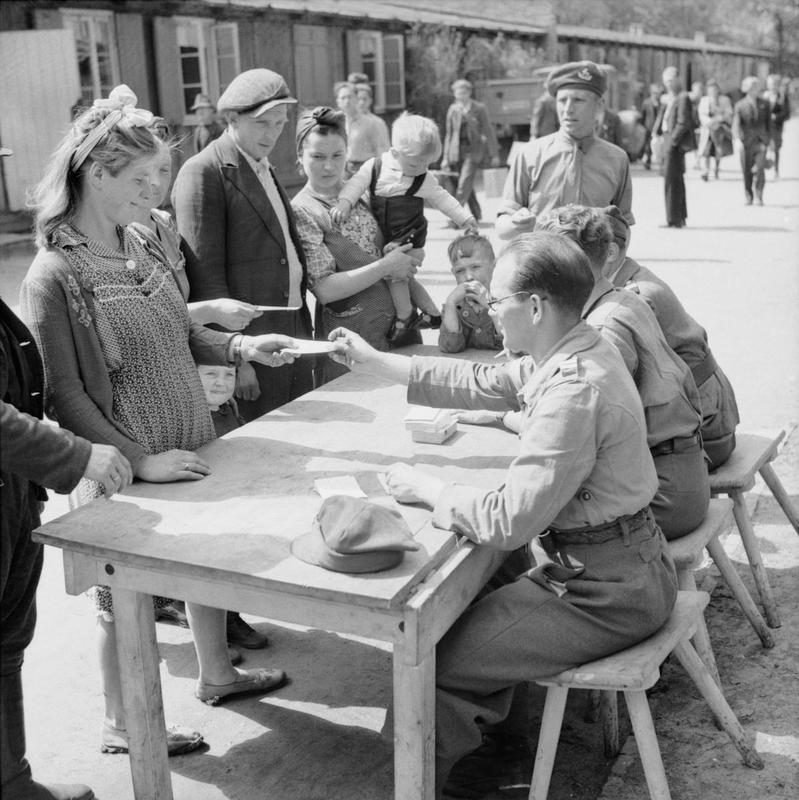
Who the displaced persons were
At the end of the war millions of people from Poland were outside the country: forced laborers taken to Germany, former prisoners of war and concentration camp survivors, soldiers of the Polish Armed Forces in the West, and families who had fled the Soviet advance. Many refused to return to a Poland under communist control, or had no home left to return to. They lived for years in displaced persons camps in Germany, Austria and Italy, run by the Allied armies and later by UNRRA and the International Refugee Organization.
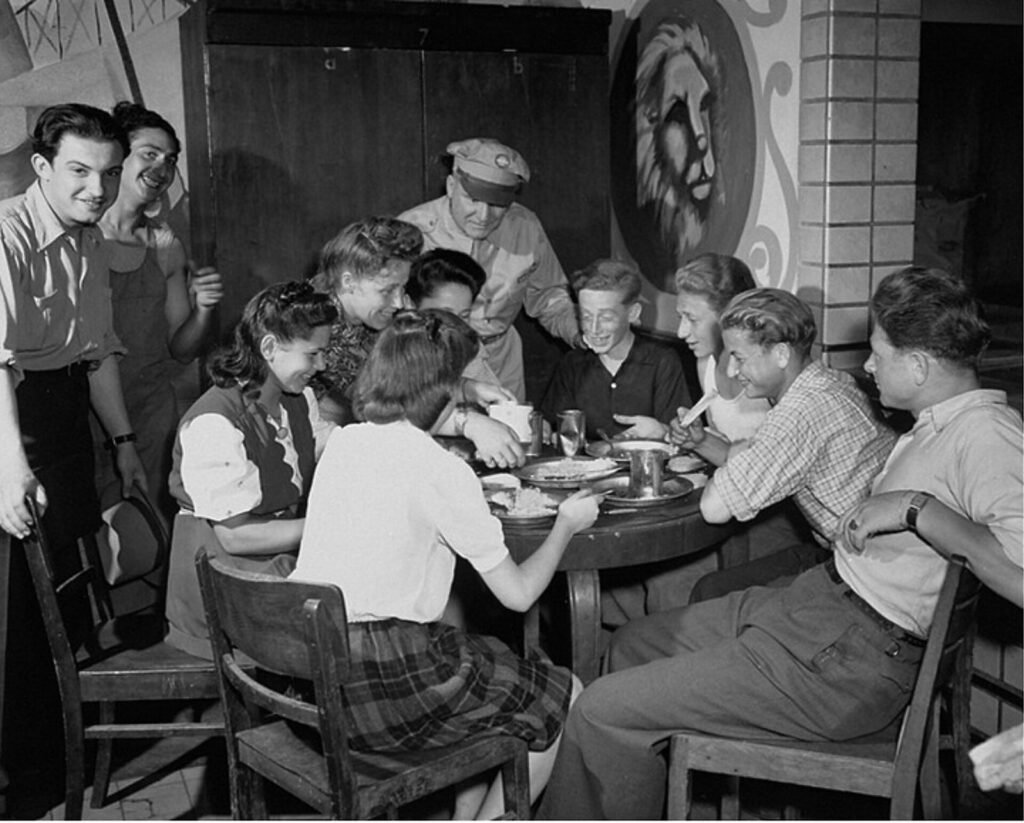
The Displaced Persons Act
President Truman signed the Displaced Persons Act on June 25, 1948. It allowed about 200,000 displaced persons to enter the United States outside the normal quotas, and amendments in 1950 raised the total to more than 400,000. Poles were among the largest groups admitted. Each displaced person needed an American sponsor who guaranteed housing and a job, often a relative, a parish or a Polish-American organization.
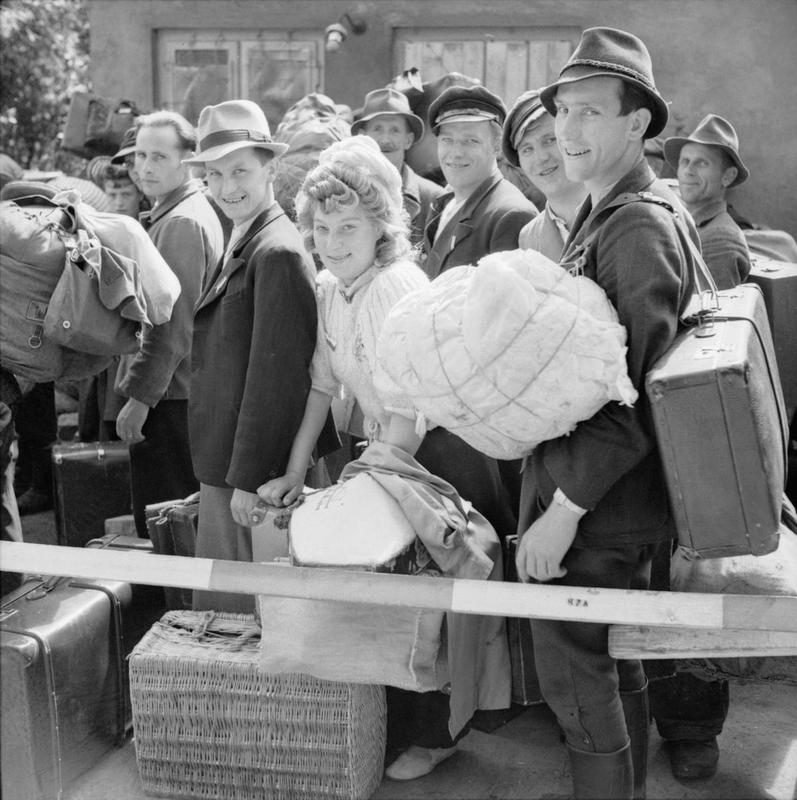
Records in Europe
- Arolsen Archives in Bad Arolsen, Germany, formerly the International Tracing Service, holds DP registration cards, camp lists, emigration files and records of forced labor. Much of it can be searched online, and the archive answers inquiries free of charge.
- IRO and UNRRA files include applications for assistance and emigration, with family details and places of birth
- Polish records from before the war are in Polish State Archives and parishes, as for earlier emigrants
Records in the United States
- Passenger manifests of the ships that carried displaced persons to New York, Boston and New Orleans from 1948
- Alien files (A-files): displaced persons received alien registration numbers on arrival, and their A-files hold the visa, the DP documents and often photographs
- Naturalization records, since most displaced persons became citizens in the 1950s
- Sponsor and resettlement records of organizations such as the National Catholic Welfare Conference and the American Committee for Resettlement of Polish Displaced Persons
A-files of people born more than 100 years ago are being transferred to the National Archives. For more recent files, see our guide to the USCIS Genealogy Program and A-files.
Where to start
- Collect the family’s documents: DP identity cards, IRO papers, visas and ship tickets are often still in a drawer
- Search the Arolsen Archives online collections by name and date of birth
- Find the arrival manifest and the naturalization record
- Request the A-file, which often contains copies of everything above
Displaced persons were often registered with a date of birth or a place name that differs slightly from the Polish records. Compare several documents before searching in Poland.
Sources and research tools
How we can help
Immigration & Passenger Records covers the postwar arrivals as well as the earlier ones, from the DP camp records to the A-file and the naturalization, and Parish & Civil Record Research takes the family back into Poland.