Thanksgiving Family History: Questions to Ask Your Relatives
Polish Family History · Thanksgiving Family History
A Thanksgiving visit can bring together people who remember different pieces of the same family story. One relative knows a grandmother’s Polish nickname. Another has a photograph with writing on the back. A cousin remembers where the family attended church. A short, thoughtful conversation can preserve those details and give your next genealogy search a clearer direction.
Plan a conversation that fits the gathering
Ask a willing relative in advance whether they would enjoy sharing a few memories. Choose a quiet moment away from cooking and a crowded table. Start with one subject, such as childhood, the first family home in America, or a favorite photograph. Let the person decide when to stop and whether a topic should remain private.
The Smithsonian’s oral history interviewing guide offers prompts about family and community traditions. Use that approach as a starting point, then shape the conversation around your own relatives. The aim is to hear their account in their own words rather than collect answers that fit an existing tree.
Begin with names people actually used
- What did you call your grandparents, and what did other people call them?
- Did anyone use a Polish first name at home and another name at school or work?
- How did you spell the surname, and do you remember another spelling?
- Which relatives had nicknames, and who used them?
- Can you say the name slowly so I can record how you pronounce it?
Write the answer as given. If a remembered name sounds unfamiliar, keep the sound or recording with your tentative spelling. Do not replace it immediately with a name you recognize. Ask who used that form and where the relative encountered it. These details help distinguish a childhood nickname from a legal name in records.

Ask about the hometown without suggesting an answer
Instead of asking whether the family came from a town already in your tree, ask what place names the person remembers. Follow with questions about a nearby city, river, church, or market. Ask whether the name came from the immigrant directly, from a document, or from another relative. A large city may have served as a reference point rather than the actual birthplace.
- What place did the family say they came from?
- Did anyone write to relatives there, and do any envelopes survive?
- Was there a nearby town or parish that people mentioned?
- Who in the family first told you that place name?
- Do you remember a different name for the same place?
Leave an unclear place unresolved until you can compare documents. Write a research question such as: Which locality matches this pronunciation and the later passenger list? Our guide to finding an ancestral village helps turn a remembered place into a search supported by evidence.
Explore the journey and the first American address
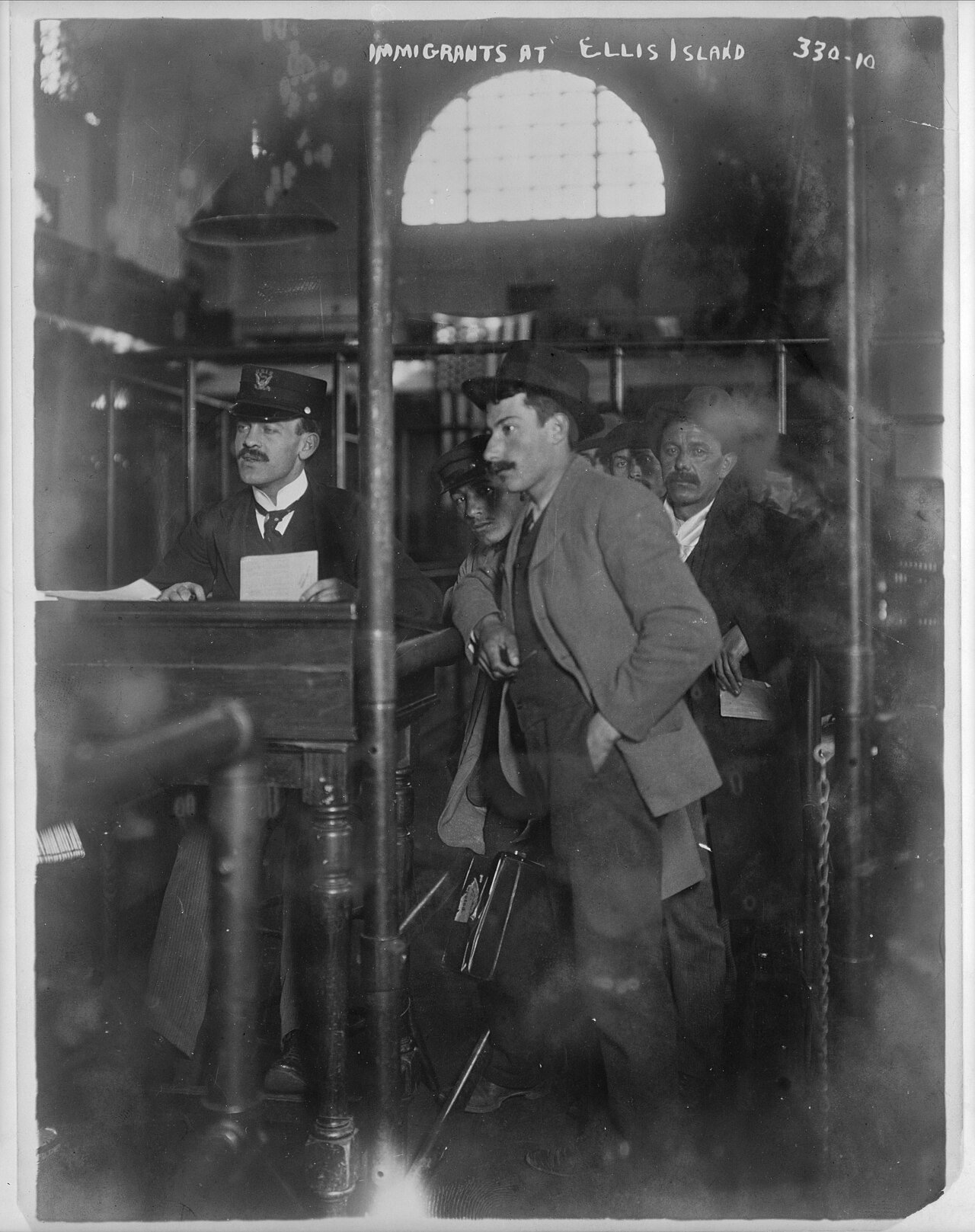
Ask what the family remembered about leaving, traveling, and arriving. Keep those stages separate. A port of departure is not necessarily a hometown, and a story about Ellis Island does not identify a ship or passenger list. Follow the memory with a question about who met the traveler or where they stayed.
- Who was already living in America when the newcomer arrived?
- What was the first address or neighborhood you remember?
- Did brothers, sisters, or cousins travel at different times?
- Were any letters, tickets, passports, or ship photographs kept?
- Did anyone go back to visit, or help another relative come over?
A remembered destination contact can be as useful as a ship name. Record the person’s relationship and address if known. Later, compare the story with an actual passenger manifest. Keep approximate years marked as estimates rather than turning them into exact arrival dates.
Let everyday life reveal family connections
Questions about work, school, churches, clubs, and neighbors can uncover names that a direct question about ancestors misses. Ask who lived upstairs, who helped a newcomer find work, or which cousins met at holiday gatherings. A recipe or song can open the conversation, but it does not by itself establish a birthplace or ethnic identity.
Ask which holiday traditions the person remembers from childhood and which were introduced later. Different branches may have celebrated differently. Preserve those differences rather than choosing one account as the family’s only authentic tradition. Write down who prepared a dish, when the relative remembers it, and whether a handwritten recipe survives.
Capture the source of the story
With permission, begin a recording by stating the participants, date, and place. If the person prefers no recording, take notes and read back important names. Ask whether each story comes from personal experience or was passed down. A memory of an event and a memory of hearing about it deserve separate descriptions.
Our suggested interview note has six fields: person speaking, interview date, subject, exact wording or summary, how the person knows, and next evidence to seek. Add a time marker for a useful passage in a recording. This small amount of structure lets another relative find the statement later without replaying an entire conversation.
Finish with one document request
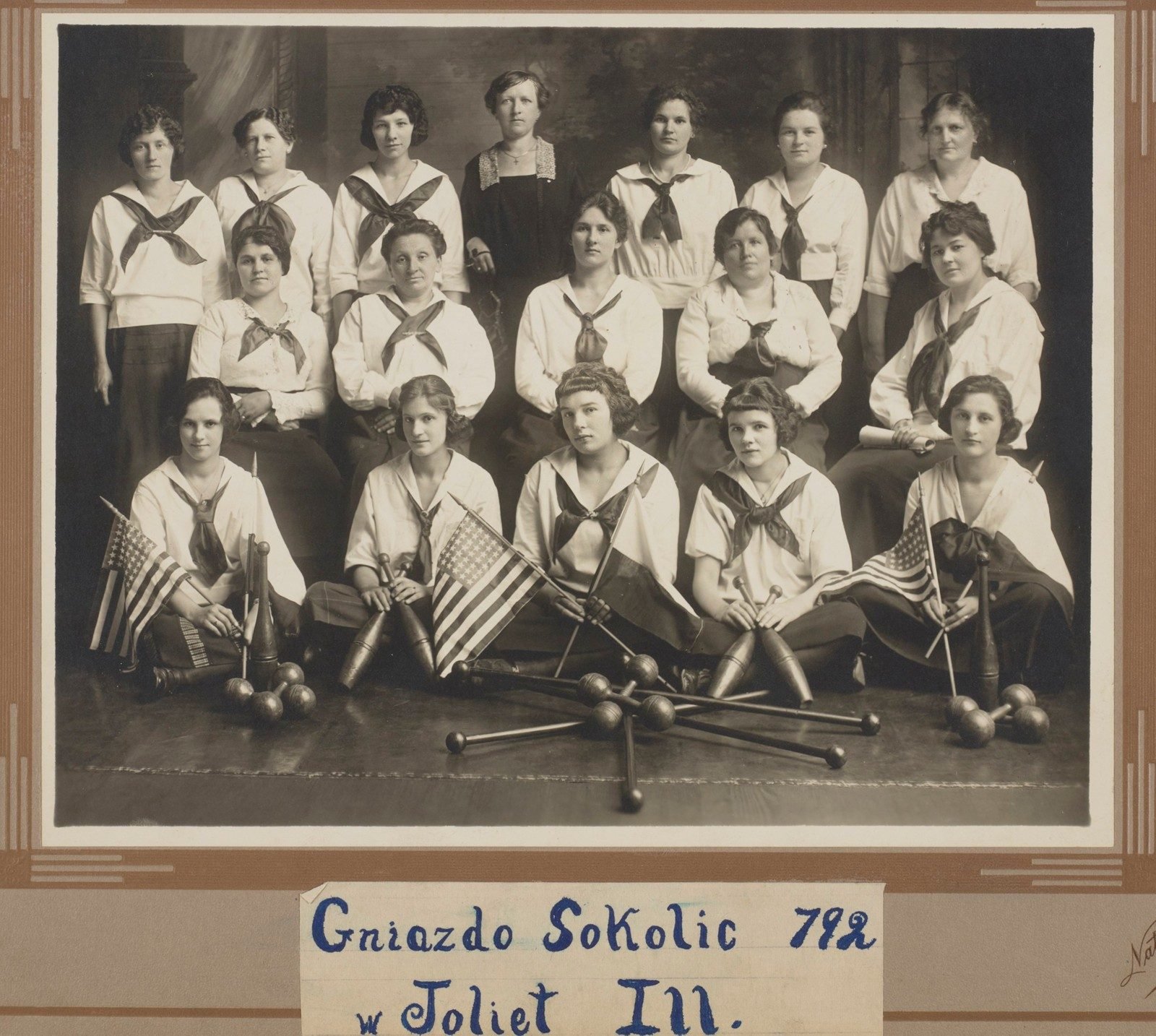
Before finishing, ask whether there is one item the person would like help identifying or copying. Photograph the front and back with permission, record who owns it, and keep the original caption with the image. Do not remove an item from an album or family collection without agreement. A shared copy is often enough to begin research.
Send a short thank-you and a copy of your notes afterward. Invite corrections, and respect any limits on sharing. Keep private contact details and sensitive stories out of a public tree. The Library of Congress family stories guide provides another starting point for planning a recorded conversation.
After Thanksgiving: test one useful clue
Choose a specific next step: locate the household at a remembered address, seek a marriage record naming parents, or compare a town spelling with a passenger list. Save the interview as its own source even if a later document disagrees. Explain the conflict instead of changing the remembered story to match the record.
What if two relatives remember different stories?
Keep both accounts with their sources and dates. Ask how each person learned the information, then seek independent records that can test the particular point of disagreement.
How many questions should I ask?
Use as many as the person comfortably wants to answer. One carefully recorded story with a clear source can be more useful than a rushed conversation covering every generation.
Sources and research tools
- Smithsonian: oral history conversation prompts
- Library of Congress: Preserving Family Stories
- National Archives: starting family history research
How we can help
PoloniaRoots researches American and Polish documents to test family connections and identify the right ancestral locality. Review our research projects and prices, choose a scope, and complete payment before sending family details through the order form. Include your existing documents, source references, and unsuccessful searches. The outcome depends on surviving evidence; a particular discovery cannot be guaranteed.