Military Service Records: Request Your Ancestor’s US File
American Genealogy Records · Military Service Records
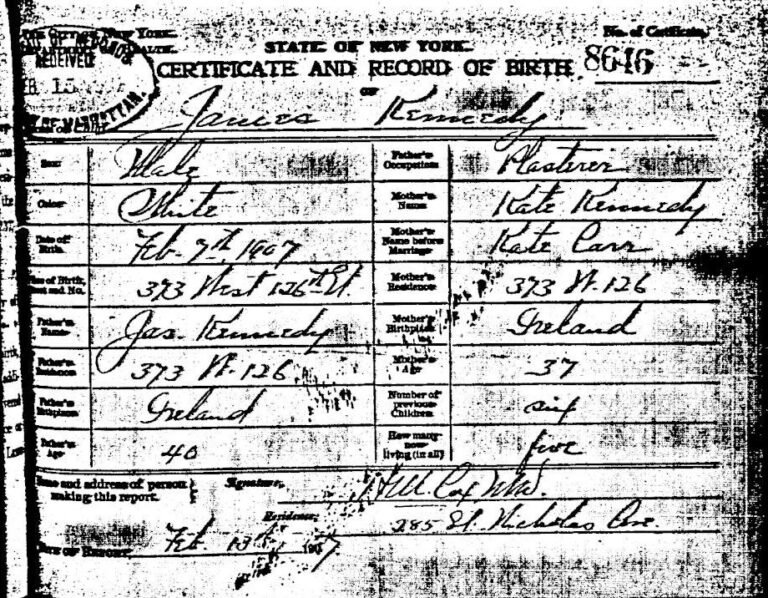
A uniform in an old photograph is a starting point, not a complete military history. US military service records can help establish when a relative served, which organization they belonged to, and which personal details were recorded. For an American family with Polish roots, those details may also help distinguish an immigrant ancestor from another veteran with a similar name.
Which military record are you actually looking for?
Start by separating a personnel file from a draft card, a unit history, and a pension application. They were created for different purposes and answer different questions. A search result labeled military does not mean that you have found the complete record of someone’s service.
- An Official Military Personnel File, or OMPF, documents an individual’s military career. Its contents vary by branch, period, and survival.
- A separation document records the end of a period of service. DD Form 214 is one familiar form, but older service can be documented on different forms.
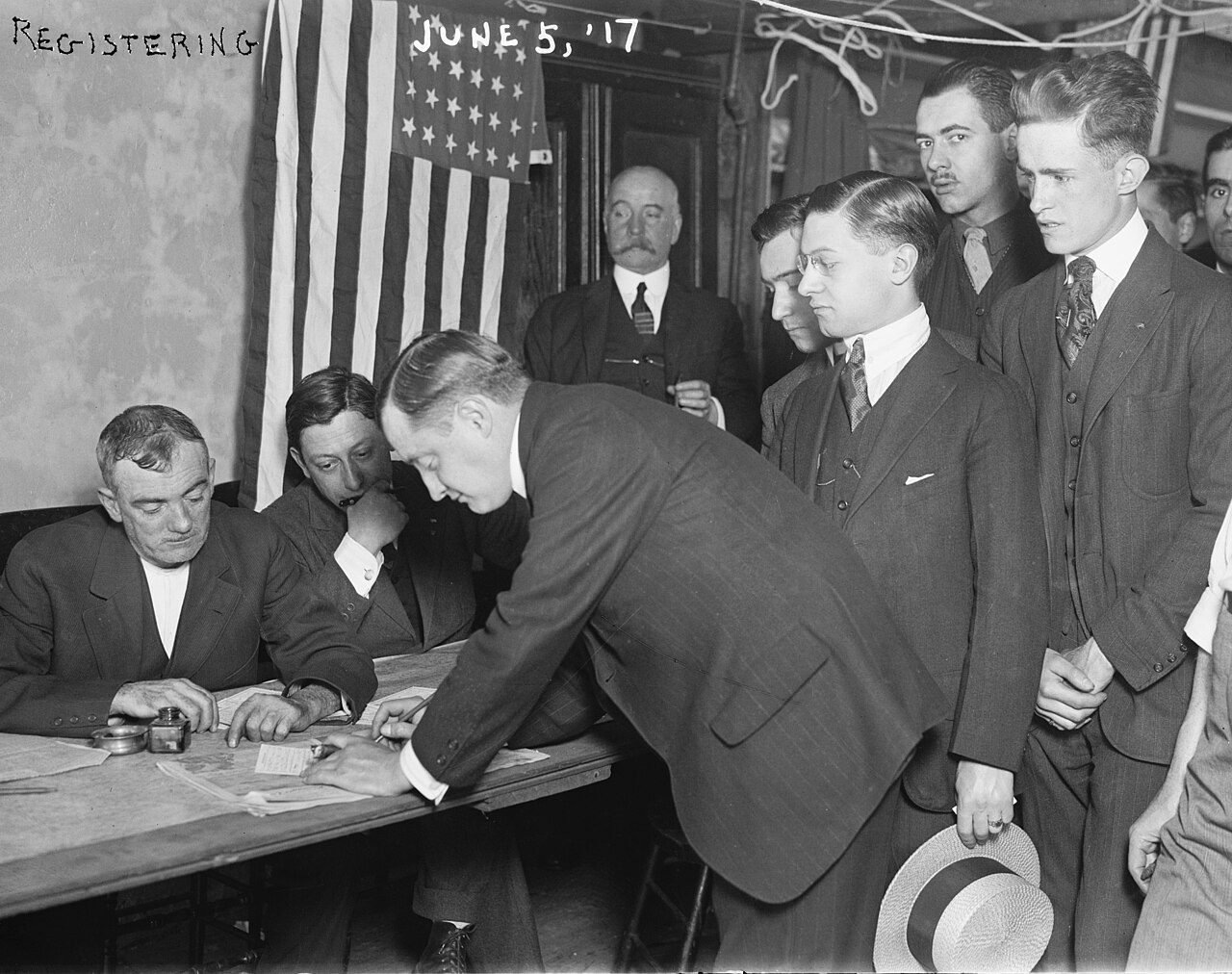
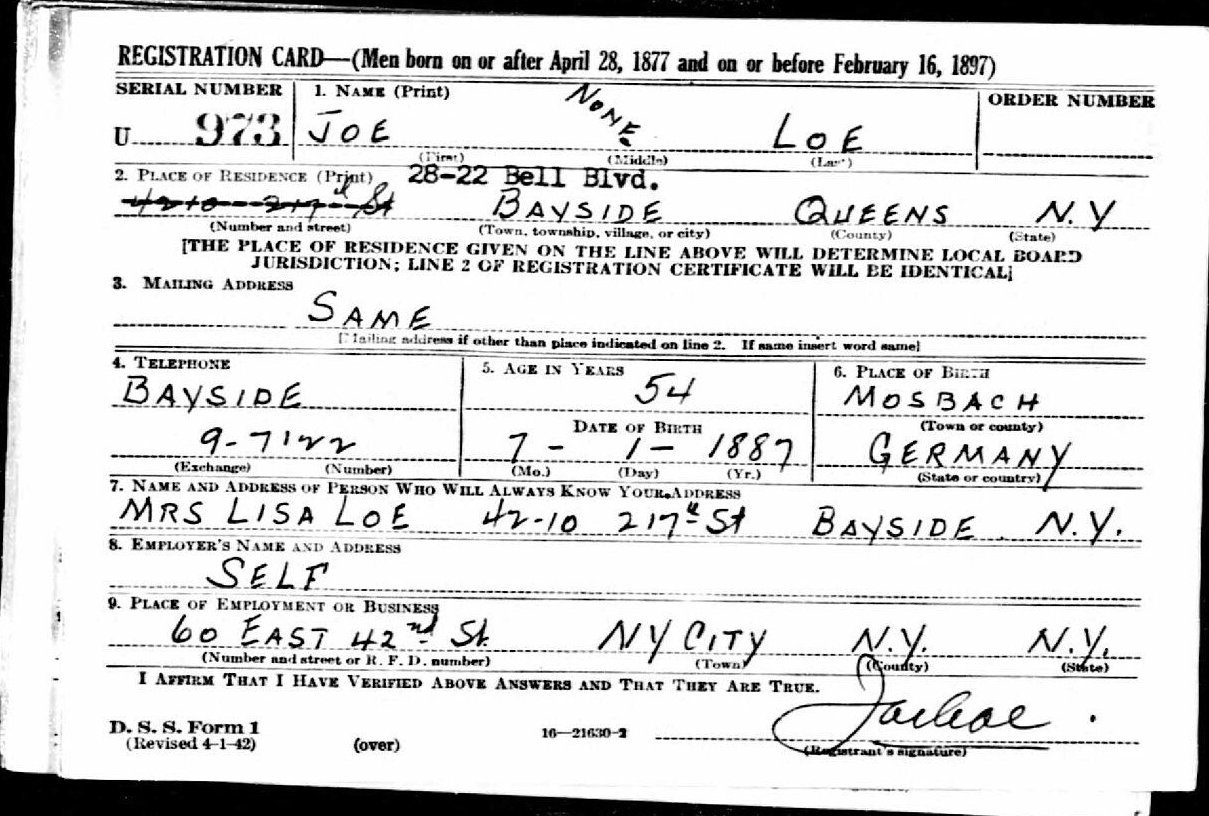
- A draft registration card documents registration with Selective Service. Registration alone does not prove that someone entered the armed forces.
- A unit history describes an organization. It does not automatically establish that your relative was present at every event described.
The National Archives explains these distinctions in its guide to service records and OMPFs. Write down the question you want answered before deciding which file to request.
Who holds your ancestor’s military service records?
The repository depends on branch, service dates, and record type. Many twentieth-century personnel files are associated with the National Personnel Records Center in St. Louis, while older federal military records follow other routes. Use NARA’s record-location tables rather than sending every request to the same address.
For earlier service, consult the older military records instructions. State militia records and federal military files should not be treated as interchangeable. A family story about service in a Polish or European army also requires a different repository from US federal service.
Understand the rolling 62-year archival rule
NARA states that military personnel records become archival 62 years after the service member’s separation. Archival files are open to public research, subject to the repository’s request and copying procedures. More recent personnel records have access restrictions; the general public does not receive the same access as an eligible veteran or authorized requester.
Use the separation date, not the person’s birth year or the year a war began. Check the current military records request page for eligibility. Avoid relying on a fixed cutoff year copied from an older article. Tell the repository your relationship and research purpose accurately.
Prepare the identifying information before requesting records
- Record the full name used during service, including documented spelling variants.
- Identify the branch and approximate dates of entry and separation.
- Locate a service number if it survives in family papers; use sensitive identifiers only through the official request process.
- Record birth date and birthplace, and identify which details are uncertain.
- Keep copies of discharge papers, correspondence, or other evidence that helps distinguish the veteran.
Make a short identity sheet for your own research. Separate what a document actually says from what relatives remember. If two men share a surname, compare dates and service details before joining their records. A surname that looks Polish is not evidence that two veterans were related.
How to request military records through official channels
NARA offers an online request route and instructions for submitting Standard Form 180. Follow the route appropriate to the record and your access rights. The current online process may require identity verification; check the instructions before beginning. Use copies of supporting papers and keep the originals.
For public archival files, consult the separate archival OMPF request instructions. Save your request number, the description of what you asked for, and the date sent. A request for one separation document is not necessarily a request for the entire personnel file.
What if the file was affected by the 1973 NPRC fire?
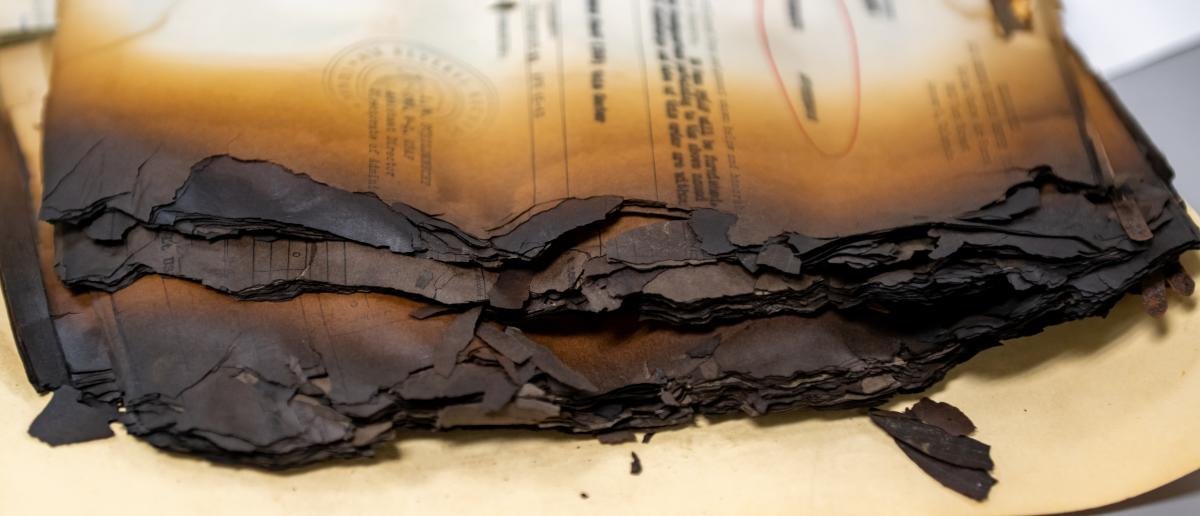
The 1973 fire at the National Personnel Records Center destroyed or damaged many Army and Air Force personnel files. It did not destroy every military record. Do not assume that an unsuccessful online search proves a file was lost in the fire.
If NARA reports damage or loss, ask what alternative records may be relevant. Information about the last unit, place of entry, and place of discharge can help with a reconstruction inquiry. A reconstruction may remain incomplete. Keep the repository’s response with your research notes so that future readers understand the limits of the evidence.
Use a military file to test a family connection
Extract each personal detail with its document date. Compare names, birth information, addresses, and relatives when they are actually recorded. A place written in a service file may help with a Polish locality search, but confirm whether it describes birthplace, residence, or another connection.
Keep a service chronology alongside the family chronology. An apparent conflict may reveal a mistaken identification, an inaccurate remembered date, or a second period of service. Investigate it rather than silently changing one record to match another. Connect the military evidence to census research, naturalization papers, and family documents.
Costs, waiting times, and independent research help
NARA generally provides basic non-archival information to eligible veterans and other authorized requesters without charge, while archival copies can carry fees. Check the official instructions for the request you need. There is no single price or delivery time that applies to every military file.
You can use the official government request service yourself. Paying an independent genealogist is a separate choice for research planning, identity analysis, and combining evidence. It does not purchase access to a restricted record or guarantee a faster response from the government.
Military records questions
Is a draft card proof that my ancestor served?
No. It documents registration. Seek a service record, separation paper, or other evidence of actual service before describing someone as a veteran.
Can I request a grandfather’s file if I am not next of kin?
Public access to an archival OMPF is different from access to a more recent restricted file. Check the separation date and current NARA eligibility guidance; do not assume that every relative qualifies for unrestricted access.
Does the absence of an online file mean nothing survives?
No. Online availability, repository location, privacy restrictions, and physical survival are separate issues. Identify the record series and request route before concluding that the evidence is gone.
Sources and research tools
- NARA: request military service records
- NARA: service records and personnel files explained
- NARA: locations of service records
- NARA: archival OMPF requests
- NARA: the 1973 fire
- NARA: older military records
How we can help
PoloniaRoots researches American and Polish documents to test family connections and identify the right ancestral locality. Review our research projects and prices, choose a scope, and complete payment before sending family details through the order form. Include your existing documents, source references, and unsuccessful searches. The outcome depends on surviving evidence; a particular discovery cannot be guaranteed.
Keep reading
Read a 1942 draft registration card