How to Find Old Obituaries: A US Genealogy Search Guide
Family History Research · How to Find Old Obituaries
To find old obituaries, establish an approximate death date and place, identify the newspapers that served the family, and search both digitized collections and library holdings. If a name search fails, browse issues around the death and funeral dates. For Polish American ancestors, an English-language newspaper and a Polish-language community paper can supply different details about the same family.
How to find an old obituary in seven steps
- Confirm the person’s identity and narrow the likely death date.
- List the death place, usual residence, burial place, and relatives’ towns.
- Identify newspaper titles published in those places at the time.
- Check digitized issues, library databases, and microfilm holdings.
- Search names, variants, relatives, addresses, and funeral details.
- Browse the relevant issues when OCR or indexing fails.
- Save the full citation and verify important claims against other records.
Begin with a research note rather than a search box: who is the person, what date range is supported, and what would distinguish them from someone with the same name? A spouse, occupation, street address, or cemetery can prevent a false match. Record which facts came from a certificate, family memory, or another person’s online tree.
1. Narrow the date and the places to search
A death certificate, burial register, cemetery record, probate file, or family notice may establish a useful date range. Keep the date of death separate from burial, funeral, and newspaper publication. Search around the death date, but extend the window if a notice refers to a delayed service, an out-of-town death, or a later memorial.
Do not limit the search to the place of death. A person may have died in a hospital outside the home town, been buried near relatives, or remained known in a former community. Make a short list of places and explain why each is relevant. That list is more efficient than searching every obituary website without a locality.
2. Find the newspaper title before searching for the person
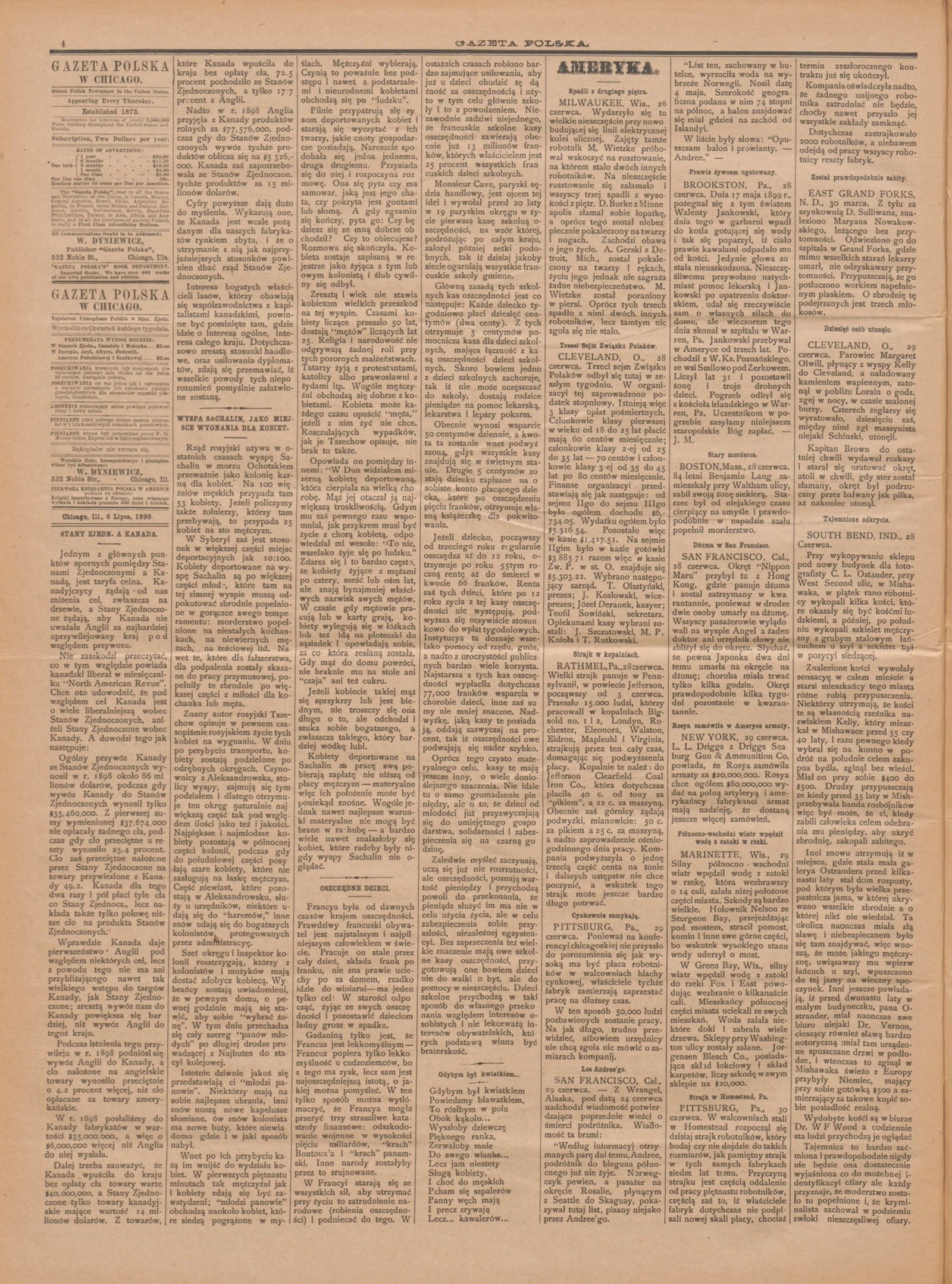
The Library of Congress Directory of U.S. Newspapers in American Libraries helps identify titles, places of publication, and reported holdings. It is a finding aid, not a promise that every issue has been digitized. Check the exact newspaper title and dates before searching a collection.
Ask the local public library, county historical society, or state library about the newspaper serving that community. A small paper may be absent from a national subscription site but preserved on microfilm locally. Note title changes and check whether a weekly publication carried news that appeared on a different day than the daily newspaper.
3. Use free and subscription sources deliberately
- Library of Congress historical newspapers: use the linked collection guidance and check the available title and issue dates.
- State digital newspaper projects: check local coverage and whether pages are searchable or browse-only.
- Public and research libraries: ask which newspaper databases they provide and whether access is remote or on site.
- Subscription collections: compare the exact title and year coverage before paying.
- Modern obituary websites and funeral homes: useful for recent notices, but not complete archives of earlier newspapers.
A failed search on one website does not mean an obituary never existed. You may have searched the wrong title, a missing issue, an unindexed collection, or imperfect text recognition. Keep collection coverage in the research log so that the next search addresses a specific gap.
4. Search names that the newspaper might actually print
Try the recorded surname, common spelling variants, maiden names, initials, and a spouse’s name. A married woman may appear under her husband’s name in an older English-language notice. Search the address, funeral home, cemetery, or names of surviving relatives when a surname is repeatedly misread. Change one search element at a time and note the result.
For Polish names, compare forms with and without diacritics and keep Americanized spellings alongside the original forms. The same person might appear with a Polish given name in a community paper and an English everyday name elsewhere. Use relationships and dates to test the identification; similar names alone do not establish it.
5. Browse when optical character recognition fails
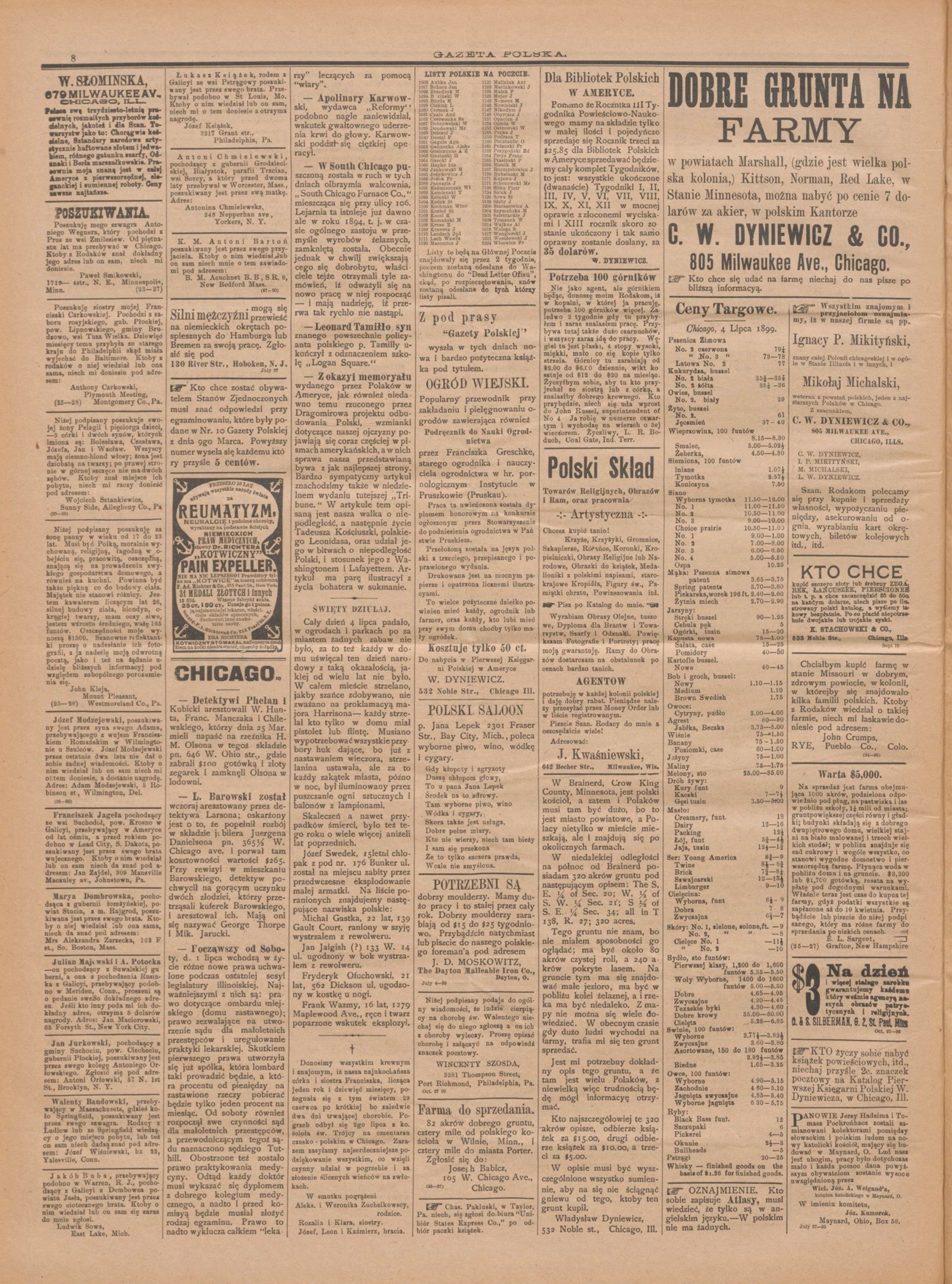
OCR converts a page image into searchable text, and its output can be poor for damaged pages, narrow columns, unusual type, or diacritics. If you know the title and approximate date, browse the issues directly. Look through death notices, local news, church or society columns, and later acknowledgments or memorial notices.
The Library of Congress newspaper search guidance describes keyword and filtered search approaches. Treat a highlighted word as a pointer to the image. Read enough surrounding text to identify the person and distinguish a death report from an anniversary or a notice about someone else.
6. Search Polish American community newspapers
Identify papers that served the family’s language, parish, organization, and city. Our guide to Polish American newspapers gives the broader research context, while the Polish name search guide focuses on variants and OCR. A community notice may name a locality or relative that an English-language notice omits; it may also contain an error.
Preserve the Polish wording when transcribing a birthplace or relationship. If part of the notice is unclear, mark it as uncertain rather than silently substituting the town you hope to find. A translation should distinguish literal wording from an interpretation of a historical place name.
7. Save the citation and check the family claims
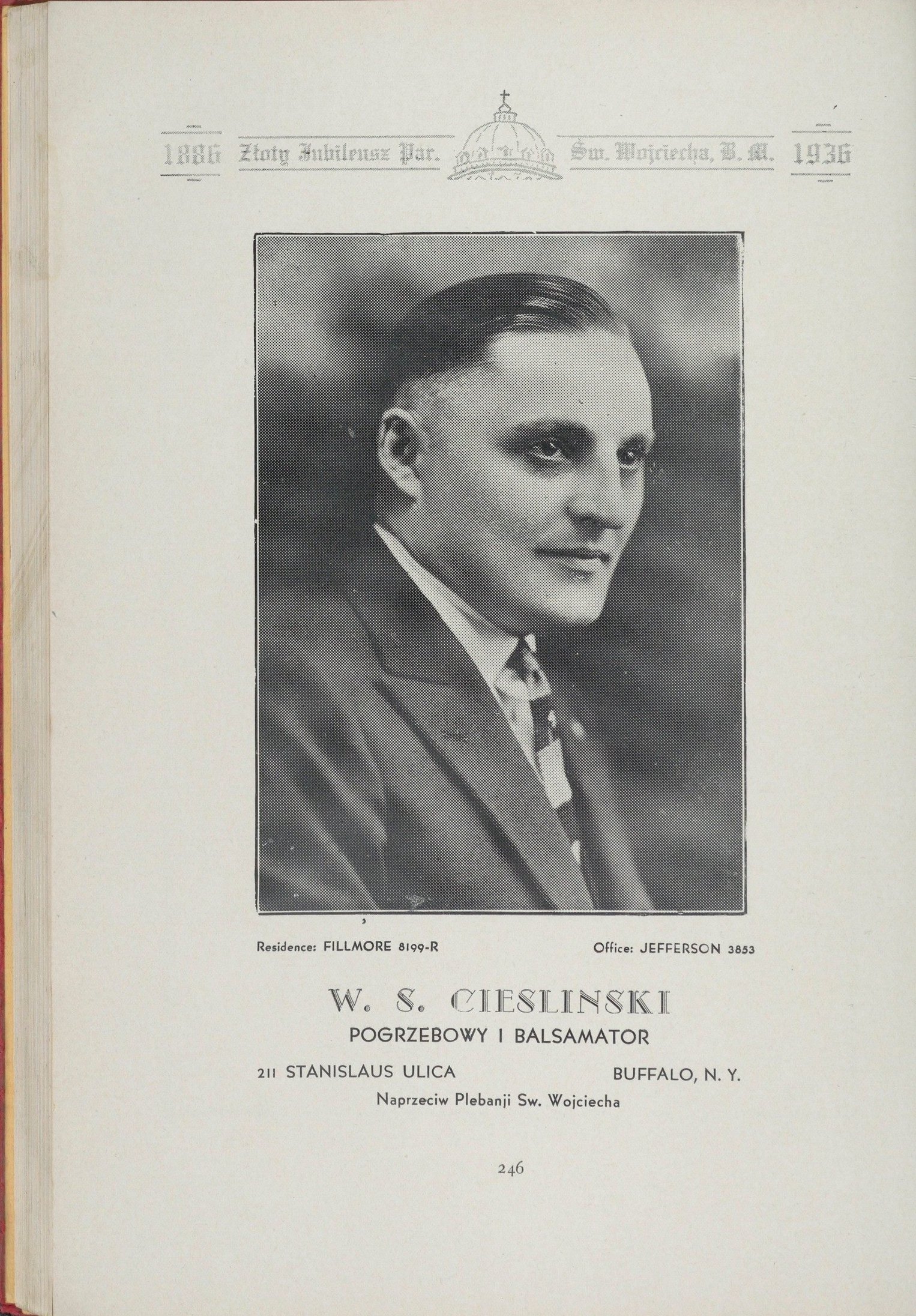
Record the newspaper title, publication city, issue date, page and column, notice heading, repository or database, stable link where available, and access date. Save an image when the provider permits it. Keep the full page or enough context to verify where a clipping came from. Note if a later source is simply repeating the same notice.
An obituary is evidence of what was published, not a guarantee that every statement is correct. Compare names of parents, dates, places, and relationships with other records. A surviving relative may have supplied an approximation, and a newspaper may have introduced a spelling error. Explain disagreements in the research notes.
A fictional search when the first result is missing
This example is fictional. Mary searches an English spelling for her great-grandfather and finds nothing. His burial record supplies a date and cemetery. A local library identifies two papers, including a Polish weekly. Mary browses the issues after the burial and finds a notice under a different spelling, naming a brother and an earlier residence. Those details become leads to test against the known family.
The useful outcome is not merely a clipping. It is a source that can be cited, a supported identification, and a next research question. If no notice is found, the log should show which titles and issues were checked, where gaps remain, and which alternative records might answer the question.
Frequently asked questions
Can I find old obituaries for free?
Sometimes. Free newspaper collections, library access, and local indexes can help. Availability depends on title and dates; some searches require paid copies or subscriptions. Check holdings before buying access.
What if I do not know the death date?
First narrow it with a burial record, cemetery source, death index, probate record, or other dated evidence. Keep an estimated date marked as an estimate and expand the newspaper search as needed.
Does every deceased person have a published obituary?
No. Publication practices, family circumstances, and surviving issues vary. Search death notices and other local mentions, and use alternative records when no obituary is located.
Sources and research tools
- Library of Congress: US newspaper directory and holdings
- Library of Congress: historical newspaper search tips
- Library of Congress: newspapers and female ancestors
- Library of Congress: historical newspaper collections
How we can help
PoloniaRoots researches American and Polish documents to test family connections and identify the right ancestral locality. Review our research projects and prices, select a scope, and pay before sending family details through the order form. Include the documents, source references, and unsuccessful searches you already have. A surname or online hint alone cannot guarantee a particular discovery.