NYC Historical Vital Records: Find Family Certificates
American Genealogy Records · NYC Historical Vital Records
Your ancestor’s name may appear in a New York index while the certificate tells a much fuller story. NYC Historical Vital Records brings together digitized city birth, marriage, and death records. For Polish American research, the useful step is moving from a name match to the right document, then comparing its family details with the evidence you already have.
What is NYC Historical Vital Records?
It is the Municipal Archives’ online resource for historical city vital records. The official NYC genealogy page links to the service and explains which offices hold later certificates. This is a city collection, not a single database covering all of New York State.
The service allows researchers to search, browse, and download available historical records. A free research download is different from ordering a certified copy. Decide whether you need to read the family information or obtain a document for an official purpose before paying for a copy.
First confirm the event happened in New York City
Start with the event location, not simply a relative’s later address. New York City consists of Manhattan, Brooklyn, the Bronx, Queens, and Staten Island. A person who lived elsewhere in the state or across the Hudson in New Jersey requires the relevant local or state record route.
Write the known address and event date on a research sheet. An immigrant could arrive through New York, live in another state, and return later. The city where someone entered America is not automatically the city where their marriage or child’s birth was recorded.
Check holdings and digitization separately
The city’s genealogy guidance currently directs researchers seeking births after 1909 or deaths after 1950 to the NYC Department of Health, and marriages after 1949 to the City Clerk. These are repository boundaries from the official guidance, not a guarantee that every earlier certificate is digitized or searchable by name.
Consult the portal’s coverage information for the record type, borough, and period. The collection’s total date span is not the same as complete coverage for every borough. A catalog entry, a name index, and a downloadable image are different stages of access.
Prepare a search with more than one spelling
- Choose the event: birth, marriage, or death.
- Identify the likely borough and a reasonable date range.
- List documented surname spellings and possible Americanized given names.
- Keep relatives’ names and addresses available for comparing candidates.
- If an index provides a certificate number, save the year, borough, and record type with it.
Avoid beginning with every detail fixed as an exact match. A spelling copied from a later document may not match the earlier index. Search related family members when appropriate, but keep a list of candidates rather than accepting the first plausible name.
For a Polish surname, separate the spelling you searched from the spelling visible in the record. A clerk’s version, a transcription, and a modern standardized name can differ. Our guide to Americanized Polish names explains why the original documents matter.
Use a certificate number with its full context
A number on its own is not a complete reference. Keep the certificate type, borough, and year together with it. Also record the index or website from which it came. A number copied from a page reference or a different record series may not retrieve the certificate you expect.
If the result is wrong, check those identifiers before concluding that the archive lost the record. Compare the original index image when one is available. Do not change the number to fit an unrelated certificate with a similar name.
Read the original image, including additional pages
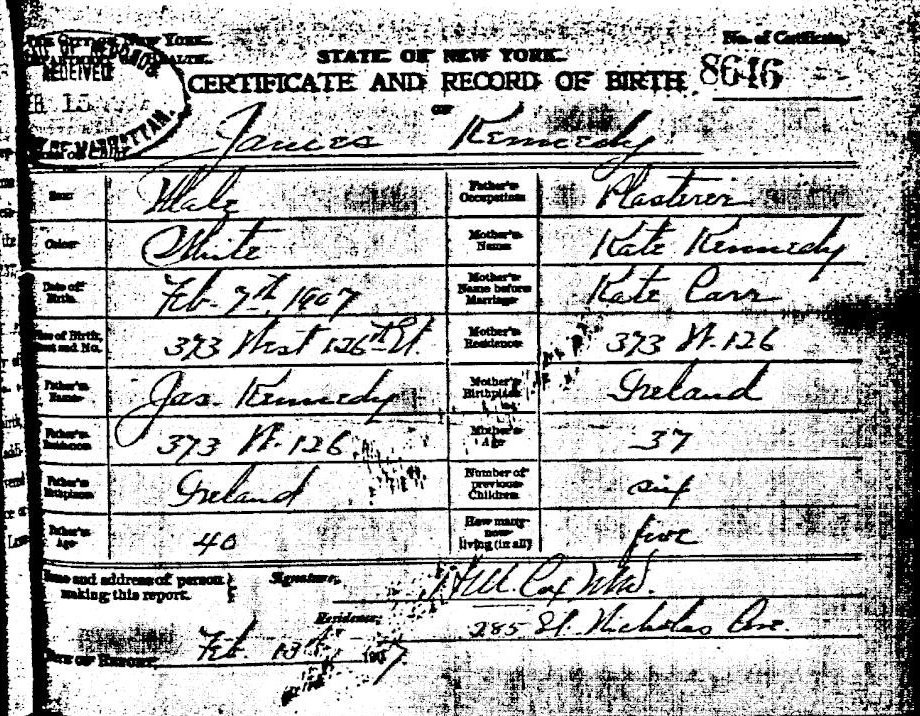
Inspect the complete document. Depending on the form and period, a certificate may record parents, residence, occupation, age, birthplace, or other identifying details. Do not assume every certificate contains all of those fields, and do not infer a maiden name from a blank or unclear entry.
Transcribe the names and places as written, then add your interpretation separately. Check whether more than one image belongs to the item. A certificate number or index summary can help retrieve a record, but the image is needed to evaluate what the document actually says.
Turn a city certificate into a Polish research question
Compare the certificate with a known household, a marriage, or a later death record before extending the tree. Parents’ names may help distinguish people with similar names. A broad birthplace may support an identity comparison without identifying an exact Polish village.
Make your conclusion as narrow as the evidence allows. If a certificate gives a place you cannot identify, preserve the spelling and investigate alternatives. If it names parents, look for another source linking those parents to the same person. A collection of matching names is not yet a documented chain of relationships.
Keep arrival records separate from city vital records
An Ellis Island passenger record and a New York City certificate belong to different record systems. Finding one does not imply the other must exist in the same portal. Use the city records for the local life event and immigration records for the journey.
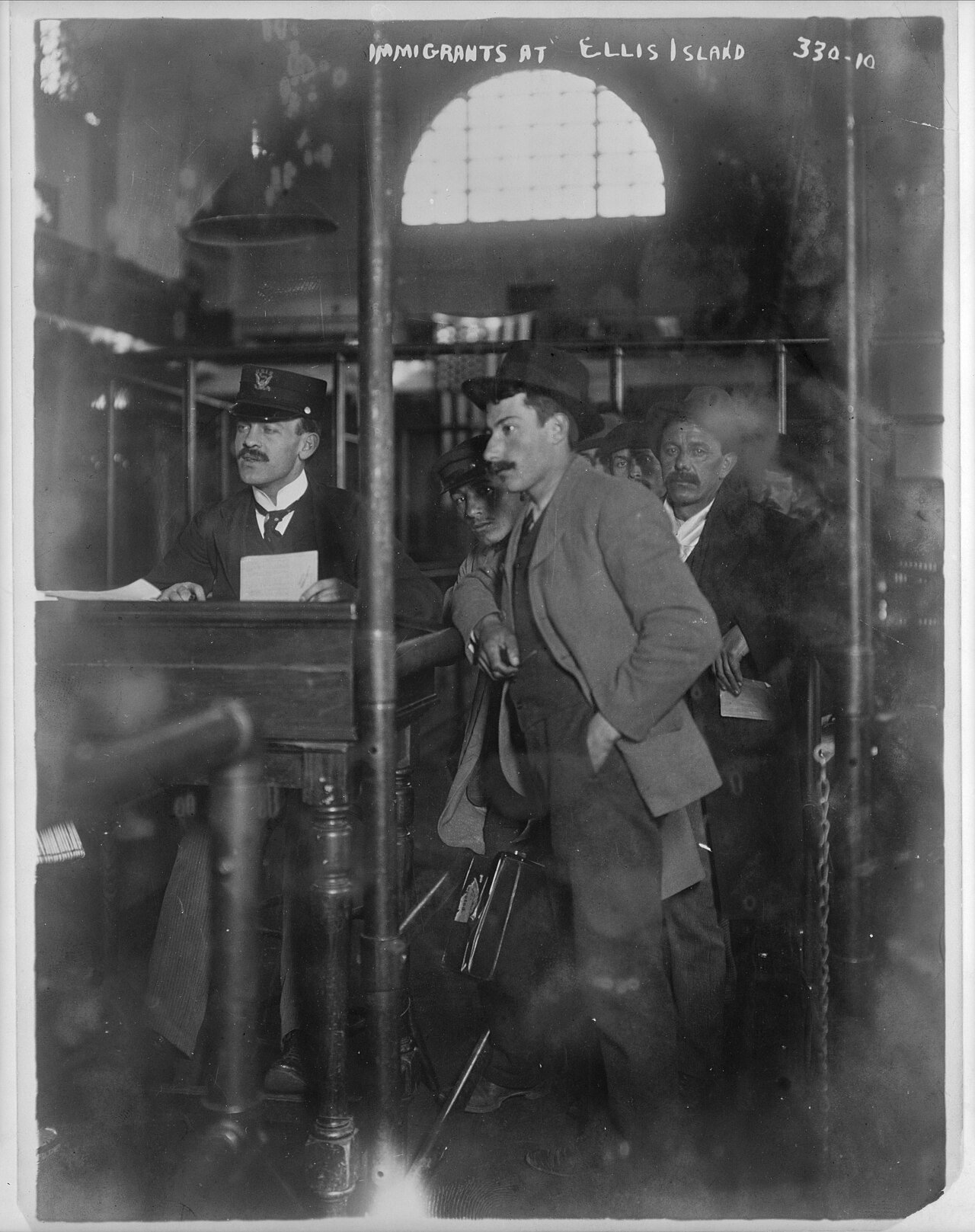
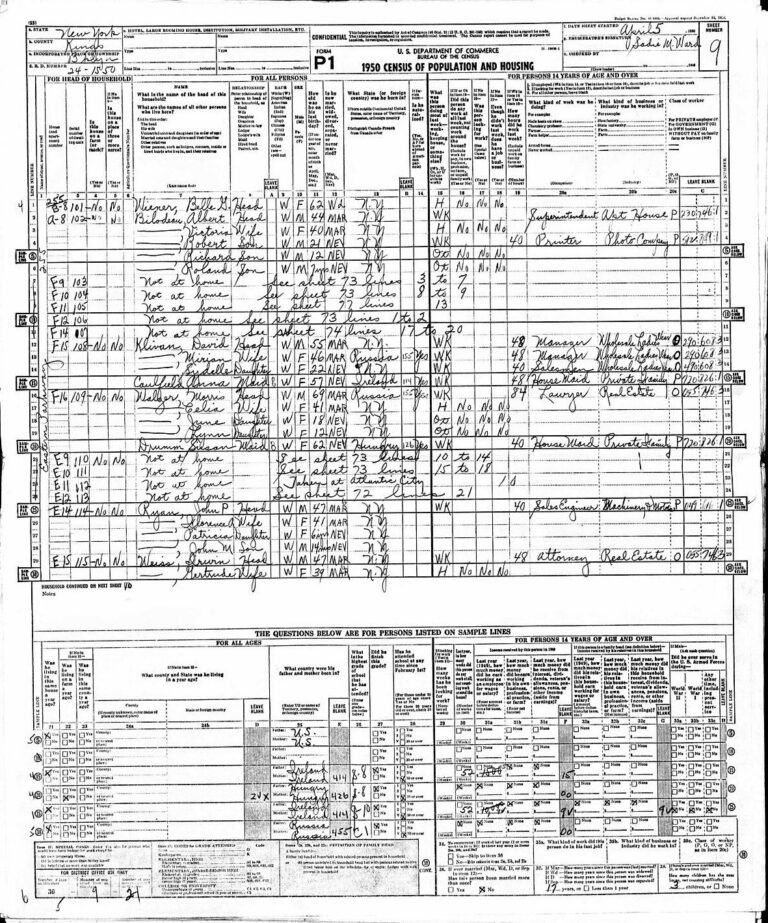
This distinction helps when a search appears to stop at New York. Follow the person’s later residence with census records and other evidence rather than assuming that an arrival through the port establishes a city residence.
What if there is no image or the portal will not load?
A failed online search is not proof that an event was never registered. Recheck coverage, spelling, year, and borough. Use the city’s official ordering guidance when a historical record needs to be requested rather than downloaded.
If the portal shows an access error, return through the city’s genealogy page and try again later. Keep the identifiers you already have. An access problem should not be recorded as a negative search of the underlying certificates.
Search beyond certificates when the family remains unclear
The Municipal Archives also describes other historical holdings. Its collections page provides routes to collection guides and digital materials. Select a collection because it can answer a defined question, not because it has an attractive surname match.
Save a research log listing the databases, variants, dates, and identifiers checked. Note unavailable images separately from genuine negative results. That log makes a later archive request more precise and prevents paying to repeat the same unsuccessful search.
NYC historical records questions
Are historical certificate downloads the same as certified copies?
No. A research image and an officially certified copy serve different purposes. Follow the current city ordering instructions for certification or other official-use requirements.
Does the portal cover all of New York State?
No. It concerns New York City municipal records. Identify the place where the event occurred before selecting a repository.
Will a certificate name the Polish village?
Sometimes a document provides a useful locality, but the detail varies. Read the original and corroborate the person’s identity before using a place to begin Polish research.
Sources and research tools
- NYC DORIS: genealogy and current record-holding offices
- Historical Vital Records of NYC
- NYC: digitized-record coverage
- NYC: order historical vital records
- NYC Municipal Archives: collections
- NYC DORIS: introduction to the historical vital records project
How we can help
PoloniaRoots researches American and Polish documents to test family connections and identify the right ancestral locality. Review our research projects and prices, choose a scope, and complete payment before sending family details through the order form. Include your existing documents, source references, and unsuccessful searches. The outcome depends on surviving evidence; a particular discovery cannot be guaranteed.