Guide 1 of 5 · Polish Genealogy Guides
A Polish surname tells you something about the family’s past: a trade, a father’s name, a place, a nickname. It rarely tells you where the family lived, and it changed its spelling, its ending and sometimes its whole form on the way to America. This guide explains how Polish last names work and how to use them in research.
How Polish surnames were formed
The adoption and spelling of hereditary surnames varied by region, period and social group. A modern name alone cannot date that process for your family. The four broad types below help interpret a name; the IJP PAN surname dictionary documents possible derivations and historical forms.
| Type | Based on | Examples |
|---|---|---|
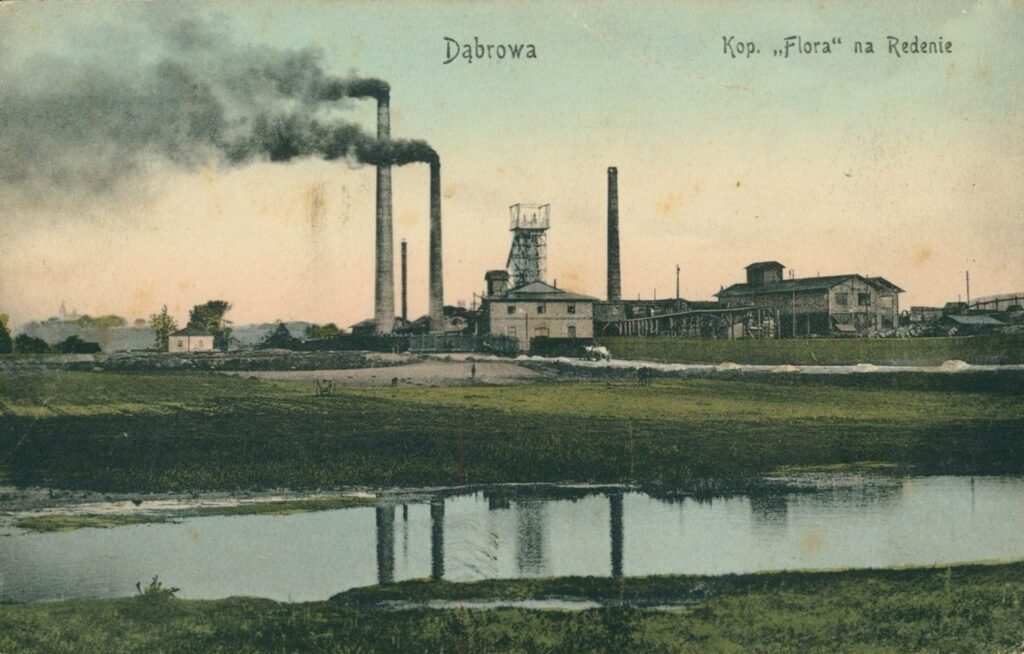
| Place names | the family’s village, estate or region | Dąbrowski (Dąbrowa), Kozłowski (Kozłów), Mazur (Mazovia) |
| Patronymic | the father’s first name | Szymański (Szymon), Pawlak (Paweł), Jankowski (Janek), Adamczyk (Adam) |
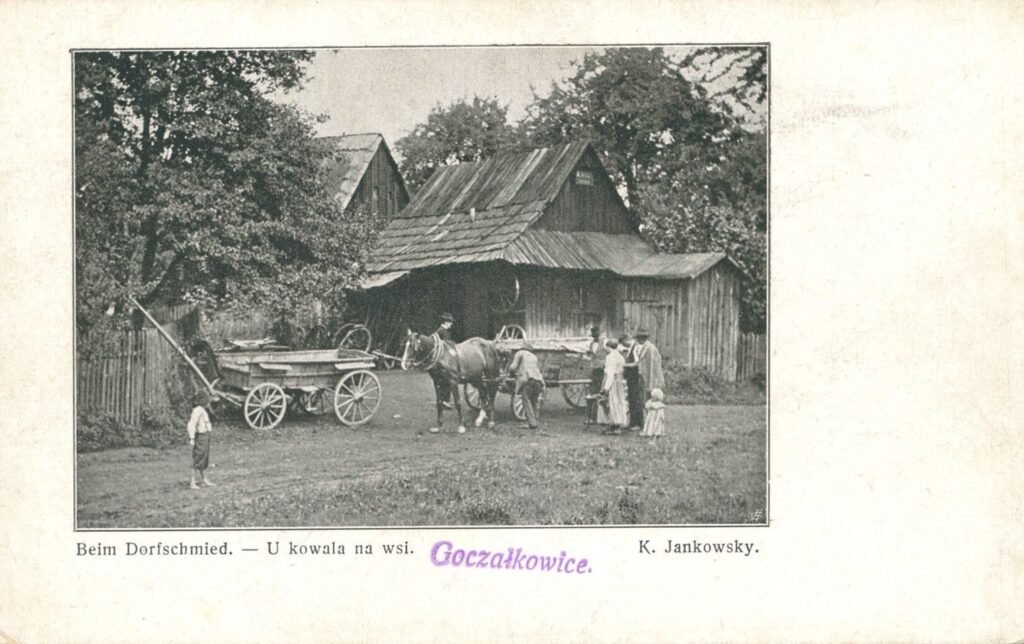
| Occupation or office | a trade or village role | Kowalski (smith), Krawczyk (tailor), Wójcik (headman), Kaczmarek (innkeeper) |
| Nicknames | appearance, character or nature | Nowak (newcomer), Wróbel (sparrow), Lis (fox), Mały (small) |
Polish surname endings
| Ending | Meaning | Where it is most common |
|---|---|---|
| -ski, -cki, -dzki | of or from a place; an adjective that becomes -ska, -cka, -dzka for women | everywhere; the most common ending in Poland |
| -wicz, -owicz, -ewicz | son of | the east, and families of Lithuanian or Ruthenian origin |
| -ak, -ek, -ik | son of, or a diminutive | Greater Poland and central Poland |
| -czyk, -czak | son of, often of a craftsman | central and southern Poland |
| -uk, -czuk, -ko | son of, in Ukrainian and Belarusian usage | the east and the former eastern borderlands |
| no ending | a noun or nickname used as a name | everywhere: Nowak, Mazur, Wilk, Kot |
How to pronounce and spell Polish names
American clerks wrote Polish names as they heard them, so the pronunciation explains most of the spelling variants you will meet. Search for every spelling the sounds allow.
| Polish letters | Sound | Example and American spellings |
|---|---|---|
| w | v | Wójcik: Voychik, Wojcik |
| ł | w | Małecki: Malecki, Mawecki |
| sz, cz | sh, ch | Szymański: Shimanski; Czarnecki: Charnecki |
| rz, ż | zh, as in measure | Grzegorczyk: Gregorchik; Żak: Zak |
| ś, ć, ń | soft sh, ch, ny | Wiśniewski: Wishnefski |
| ą, ę | nasal on or en | Dąbrowski: Dombrowski; Węgrzyn: Wengrin |
| j | y | Jankowski: Yankowski |
| c | ts | Nowicki: Novitski, Nowitzki |
| ch, h | a rough h | Chmielewski: Hmielewski, Kmielewski |
What a surname can and cannot tell you
- It can suggest a region, through the ending or a place name
- It can hint at an ancestor’s trade or first name, several centuries ago
- It cannot prove that two families with the same name are related
- It cannot identify your village: dozens of places can share one name, and one name can come from many places
- An ending in -ski is not a sign of noble birth
The surname is where research starts, not where it ends. The village comes from records: naturalization papers, draft cards, parish registers and the other sources in our guide to Polish-American records.
Articles in this guide
Common surnames
Polish Last Names: The 50 Most Common Surnames and Their Meanings
The 50 most common surnames in Poland, their meanings and endings
Female surnames
Polish Female Last Names: -ska, -owa and -ówna
Why your great-grandmother’s surname looks different
Americanized names
Did Ellis Island Change Your Polish Name? How Polish Names Were Americanized
The Ellis Island myth, and when names really changed
First names
Polish First Names in Old Records: English, Latin and Russian Equivalents
Wojciech, Władysław, Bronisława and their American forms
Coats of arms
Polish Coats of Arms and Noble Families: What Your Surname Can and Cannot Tell You
Herby, clans and how to prove noble descent
Related records
Polish birth and baptism records
How we can help
Ancestral Village Identification starts from your family’s surname and American records and establishes the parish in Poland, whatever the name became in America.