1910 Census Records: Trace Your Polish Immigrant Family
American Genealogy Records · 1910 Census Records
A 1910 census entry can help you find children who died young, spot an earlier marriage, or narrow an immigration search. Start with a household you can identify, then use the original page to decide which American record might bring you closer to your family’s Polish birthplace.
Where to search the 1910 US census
Open the 1910 section of the National Archives online census guide and select a linked provider. FamilySearch is a free account option. The original federal population schedules are on National Archives microfilm publication T624. The census reference date was April 15, 1910. Use that date when interpreting age or deciding whether a birth or death falls before the count.
- Start with a county or city where you can place the family near 1910. Search for a spouse or child if the immigrant surname is difficult to find.
- Compare the household with an independent record, such as a child’s baptism or an address in a city directory.
- Open the full schedule, including the page header. Read the previous or next page if the family crosses a page break.
- Save the state, county, township or ward, enumeration district, sheet, and line. Keep the indexed spelling and your reading of the handwriting separately.
What M1, M2, and years married can tell you
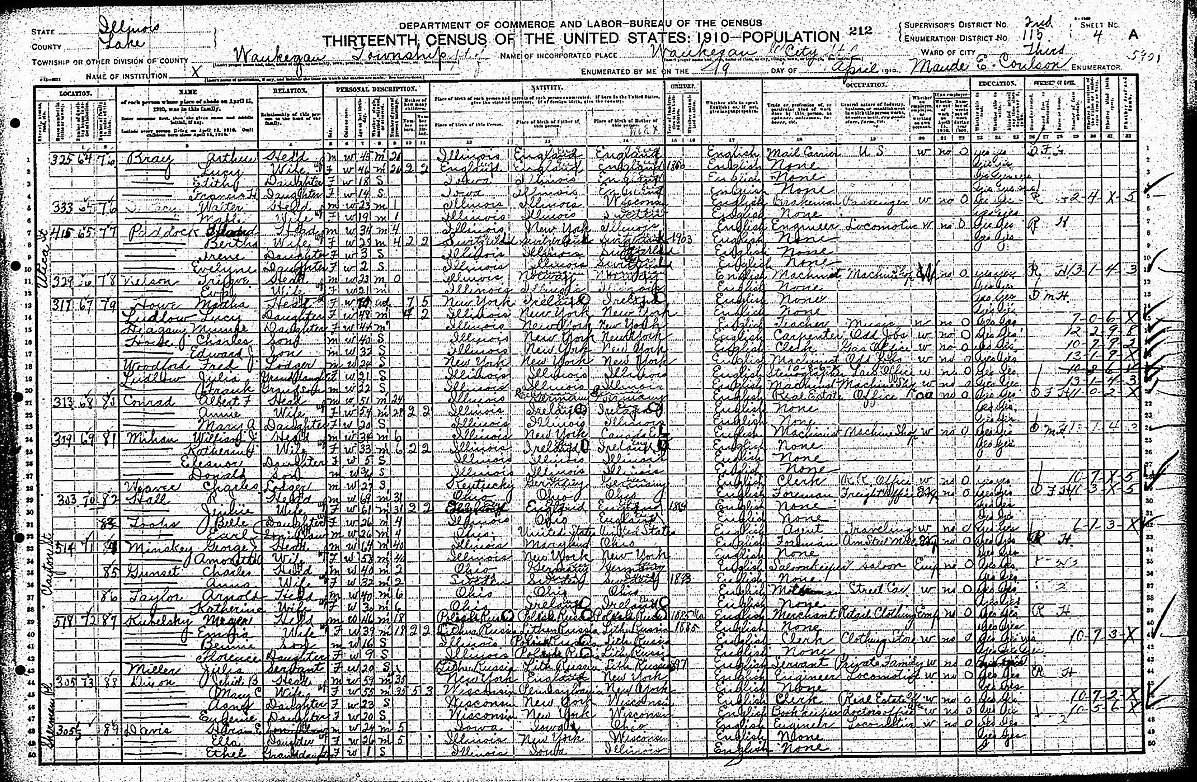
The schedule distinguishes first and subsequent marriages and asks how long the present marriage has lasted. M1 indicates a first marriage, and M2 indicates a second or later marriage. Read each spouse’s entry separately. The recorded duration can suggest a search window, while the marriage code can suggest a second search for an earlier spouse. Neither field supplies a wedding date.
Suppose, in a fictional example, that a couple reports eight years married and the husband has M2 while the wife has M1. Search around 1902 for their marriage, then investigate an earlier marriage for him. If an older child appears in the household, look for a baptism or birth record naming the child’s parents. The child’s relationship to the head does not identify the other parent.
Use children born and children living as separate clues
For a mother, the schedule can give the number of children born and the number still living. A fictional mother shown with six born and four living gives you a reason to look for children who died before the census. If three children are at home, a fourth surviving child could be living elsewhere. Keep the numbers as reported and test them with records rather than adding unnamed people to your tree.
Build the search around each known residence and the years the family lived there. Look for births, baptisms, civil death registrations, burial entries, and death notices. If a child appears under a first name you do not recognize, compare the parents and address. Where the family moved between cities, include both places in the search.
Follow immigration, citizenship, and birthplace clues
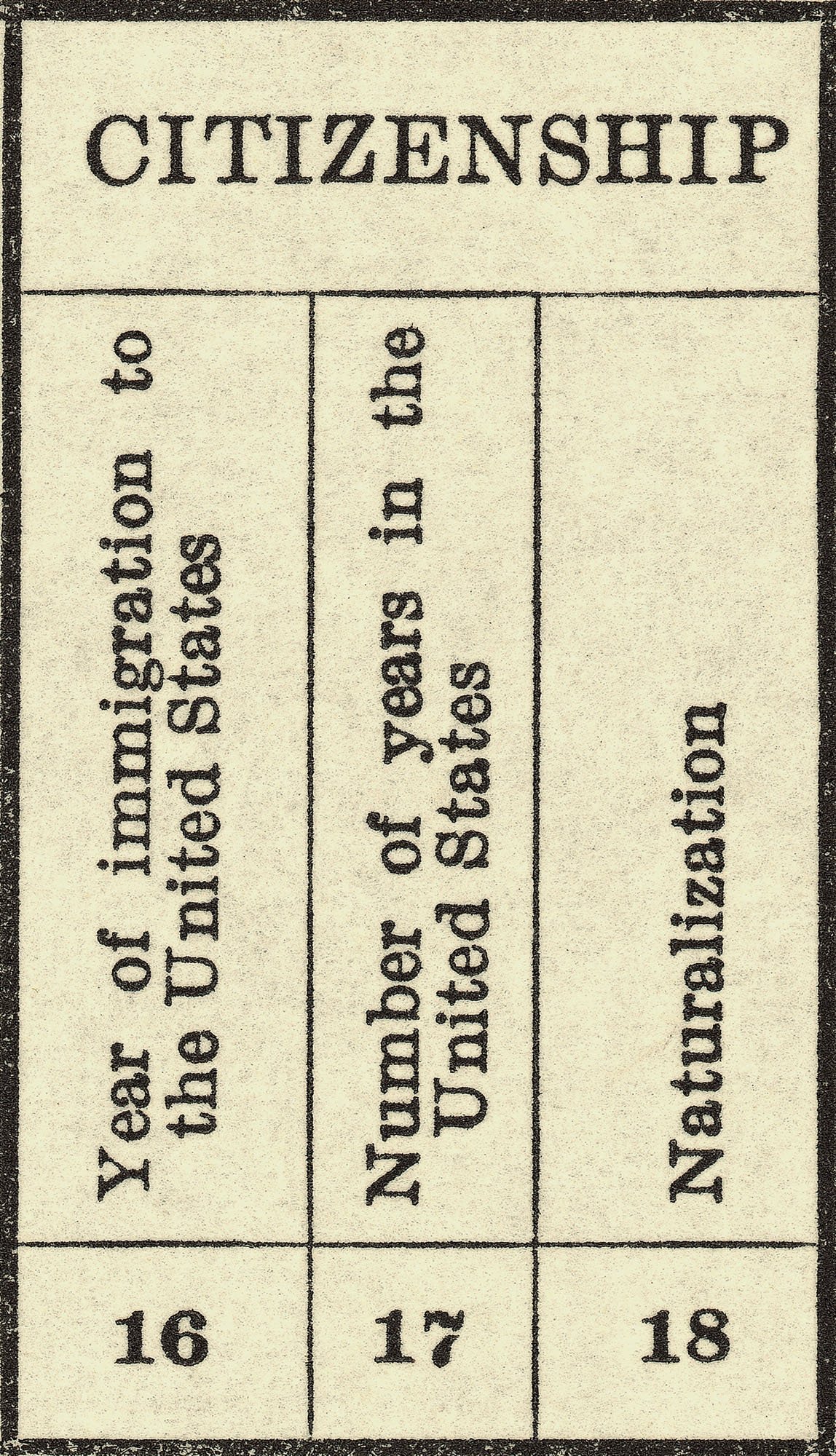
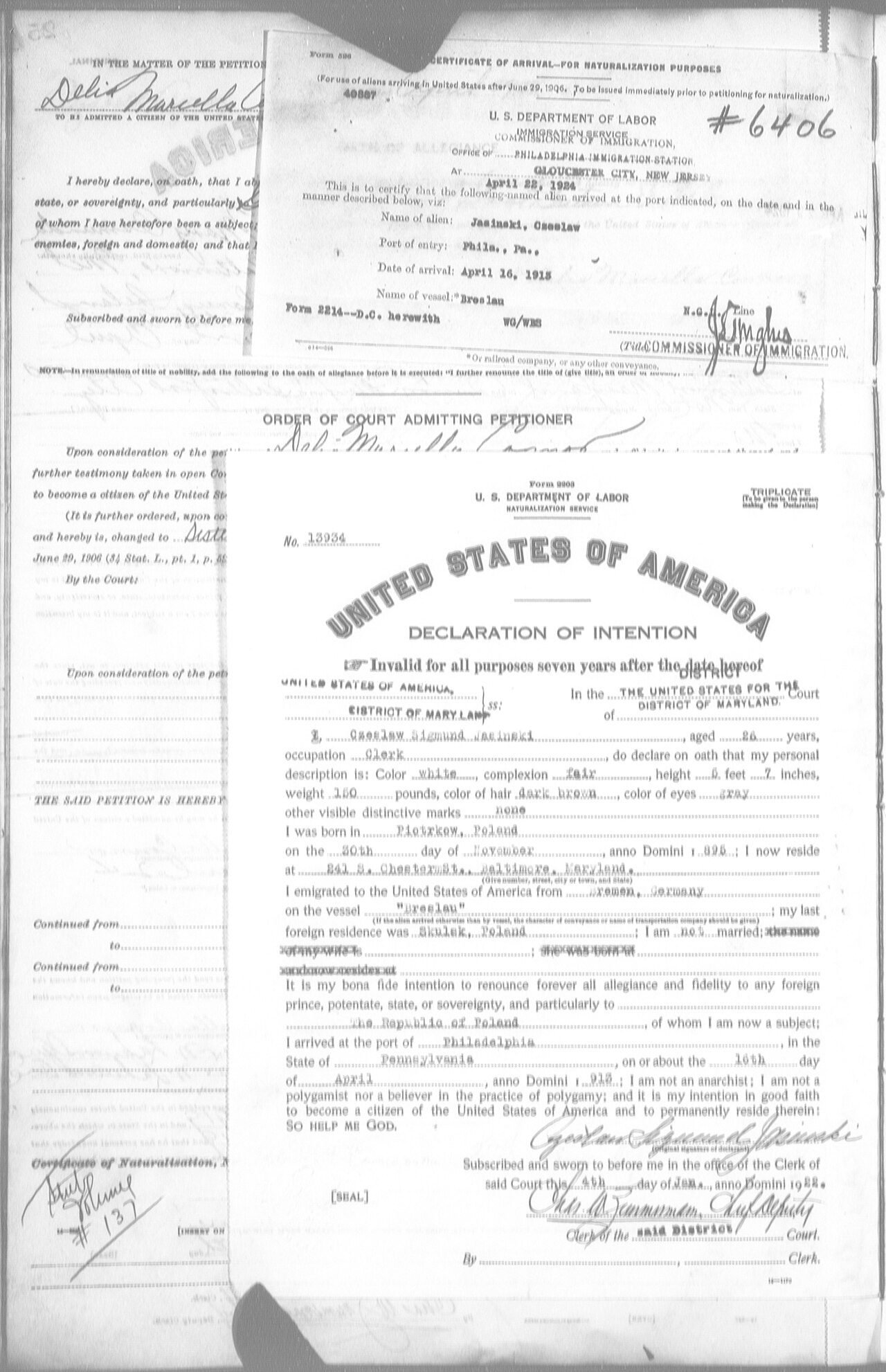
Write down the immigration year as reported and compare it with later censuses. The citizenship column can contain Al for alien, Pa for first papers, and Na for naturalized. These are leads to investigate. Search declarations and petitions in courts serving the places where the person lived, and use the immigration estimate to narrow a passenger-list search.
Preserve the original birthplace wording for each person and both parents. A place now in Poland may appear under a historical jurisdiction. The Census Bureau explains that mother-tongue information was added to the birthplace columns after the forms had been printed. Read any language written there separately from the later column about speaking English.
What if the family is missing from the name index?
Search with the first name and surname variants you can document. Try a child’s name and approximate age, or remove one restrictive search field at a time. If you know a period street address, find the 1910 enumeration district and browse its images. Check the address date against a second source, since the family may have moved.
1910 census questions
Does the 1910 census name a Polish hometown?
The regular birthplace field is generally broader than a town. Use it with passenger manifests, naturalization papers, and church records that may give a more specific place.
Does the census give the year of naturalization?
The regular schedule reports citizenship status and asks the year of immigration. Use the status and other dated records to guide a search for the citizenship papers themselves.
Sources and research tools
- National Archives online census collections
- National Archives census research tips
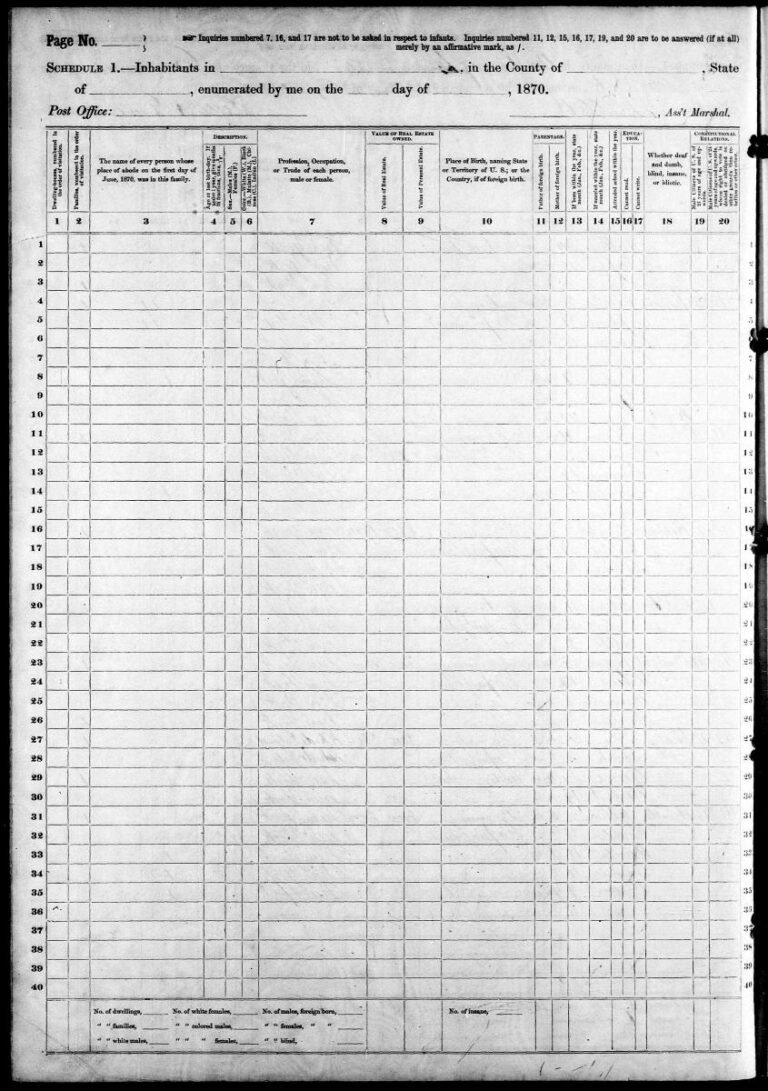
- 1910 blank schedule from the National Archives
- Census Bureau 1910 questionnaire and marriage codes
How we can help
If your US records give conflicting names or only a broad birthplace, Polonia Roots can compare American and Polish sources to investigate the family connection. Bring the documents you already have and the specific question you want researched.