Library of Congress Genealogy for Polish American Families
American Genealogy Records · Library of Congress Genealogy for Polish American Families
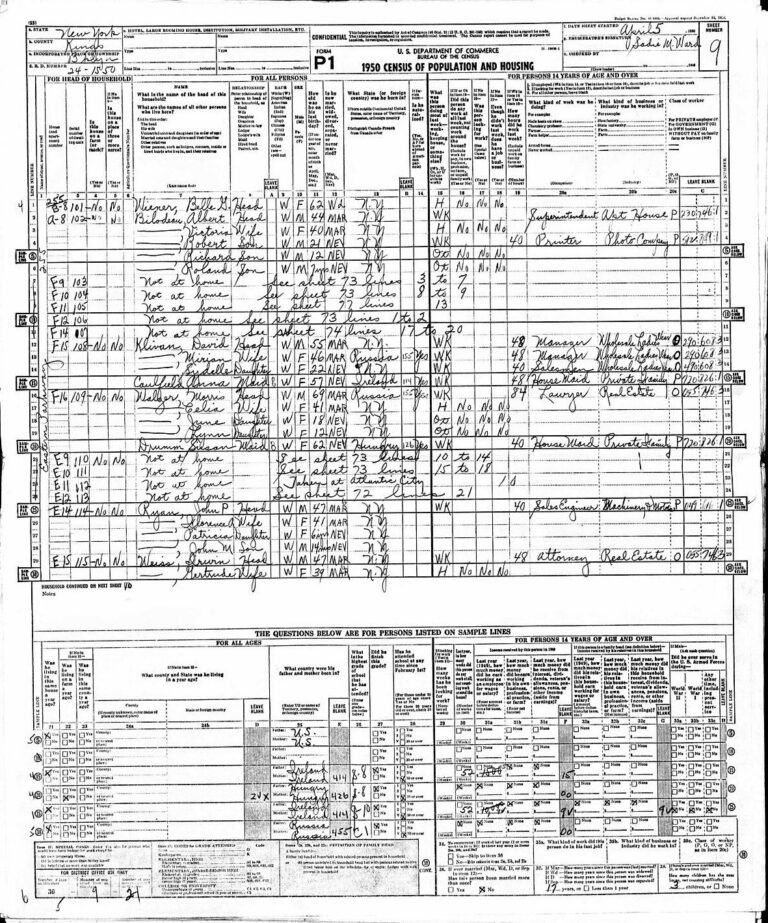
A census record may tell you where your ancestor lived. A historical newspaper, neighborhood map, or photograph can help you understand the world around that address. Library of Congress genealogy research brings these sources together, helping you investigate the streets, institutions, and communities connected with your Polish American family.
What can Library of Congress genealogy resources add?
The Library of Congress is a library rather than the federal government’s records archive. Its genealogy guidance and digital collections complement the documents used to identify relatives. Begin with something specific: an address, town, newspaper title, parish, or employer, together with an approximate year.
A photograph of a community does not prove that your ancestor appears in it. A map does not identify the residents of a house by itself. Use personal records to establish the family connection, then use these collections to ask better questions about the place and period.
Search Library of Congress newspapers with a place and date
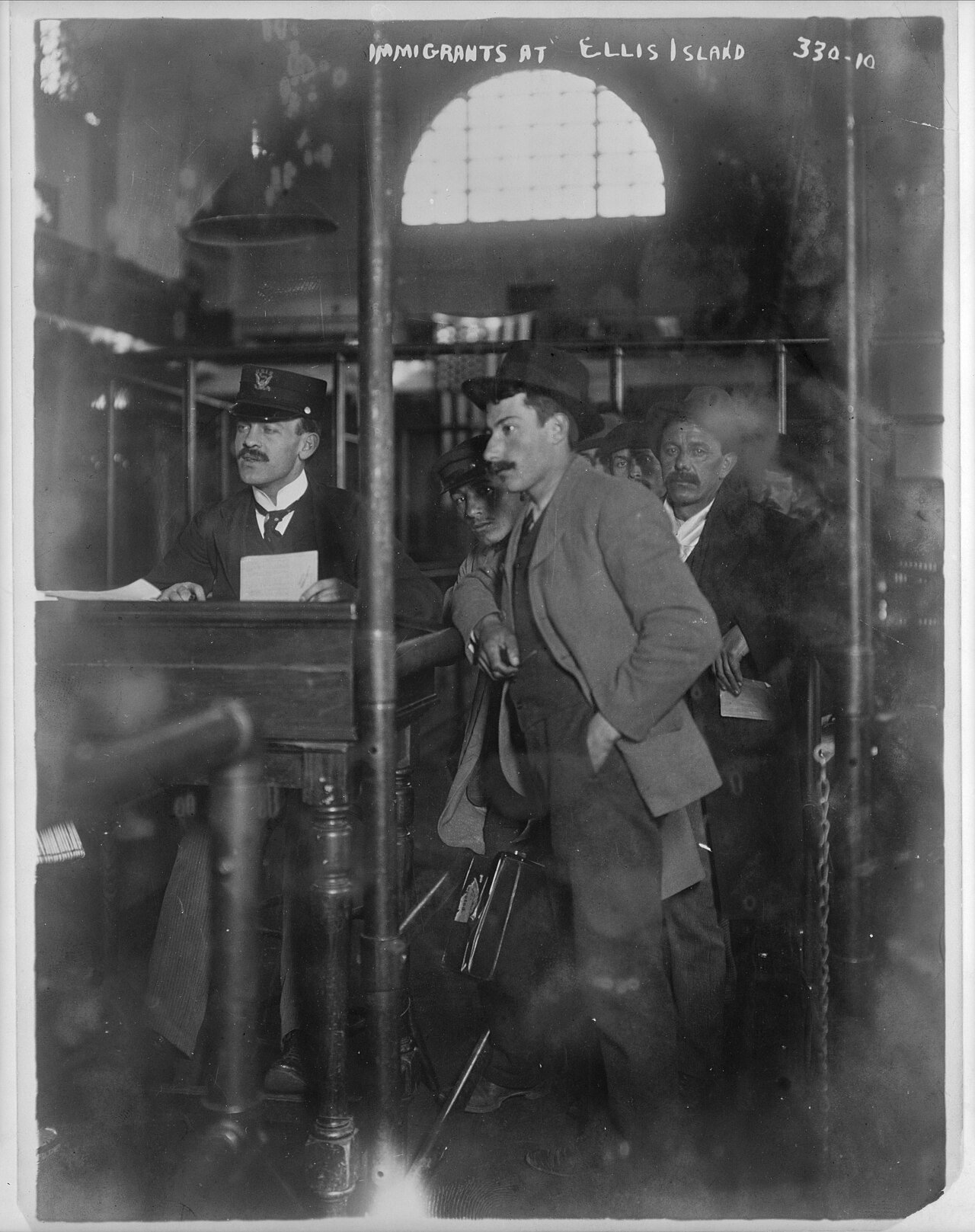
Library of Congress newspapers are useful for more than death notices. Local reporting may contain references to marriages, businesses, organizations, school events, and community activities. The Library’s newspaper genealogy guidance suggests looking beyond a single type of notice.
Chronicling America provides selected digitized historical newspaper pages. Coverage depends on the title and available issues. Check the place, publication dates, and digitized issue range before assuming that a particular event can be searched.
Start with a location and likely date range. Then try the ancestor’s surname, documented spelling variants, and associated names. Compare addresses, relatives, occupations, and the event described before assigning a newspaper result to your family. Save the title, issue date, page, and stable link.
Look for Polish American newspapers
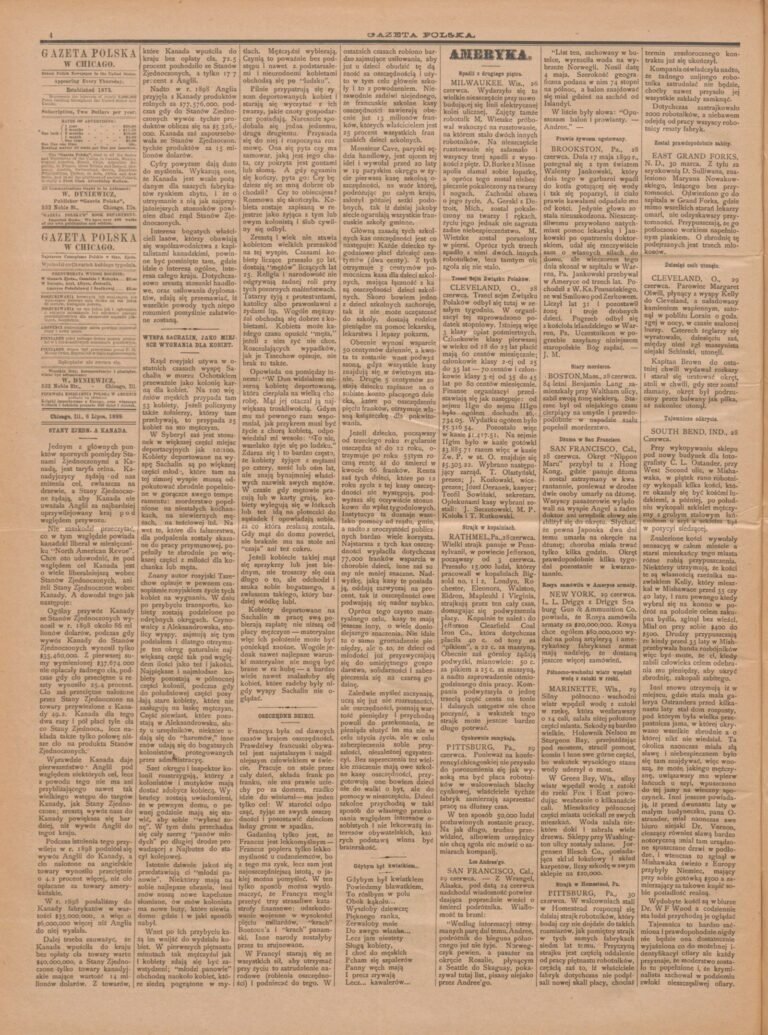
An English-language newspaper is only one possible source. Investigate whether a Polish-language paper served the community you are researching. Dziennik Chicagoski is one example represented in the Library’s historical newspaper collections. Check the digitized title list for the actual issues available.
Search documented Polish and American forms of a name separately. A parish, street, organization, or relative may provide a useful alternative search. When you have a narrow event date, browse the relevant issues if the name search fails. No search result does not establish that the newspaper never mentioned the family.
Use Sanborn maps to investigate an ancestor’s neighborhood
Sanborn fire insurance maps can help you examine an address at the building and street level. Library of Congress Sanborn research guidance explains how to find maps by location and edition and determine whether digital files are available.
Start with an address established in a family document. Find an edition close to the period you are studying and read the key. Investigate the relationship between the home, nearby workplaces, and community buildings without assuming that proximity proves attendance, employment, or membership.
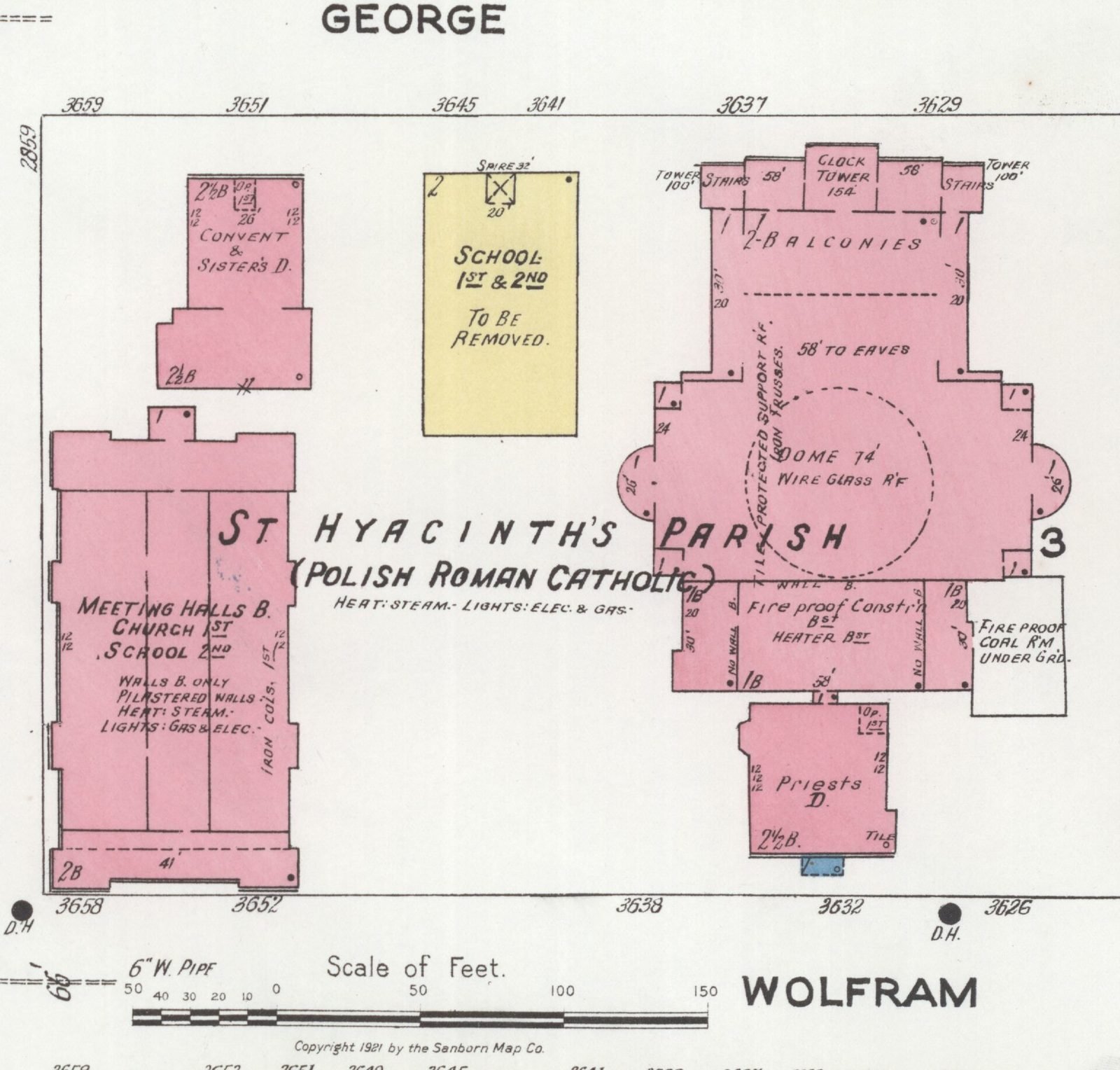
Check the date carefully. A map created years before or after the family lived there may show a different streetscape. If the street name or numbering differs, resolve the discrepancy before identifying a building. Save the city, volume, edition, sheet, and repository reference.
Find historical photographs without misidentifying your family
Search photographs by place, occupation, institution, and community as well as surname. A town photograph may help explain the landscape around a family’s address even when no relative is named in the catalog.
For example, a photograph by Sheldon Dick shows miners’ homes in the Brownsville sector of Shenandoah, Pennsylvania. The Library of Congress record dates it approximately to 1938. It provides a specific view of a neighborhood; it does not identify a particular Polish family’s residence.
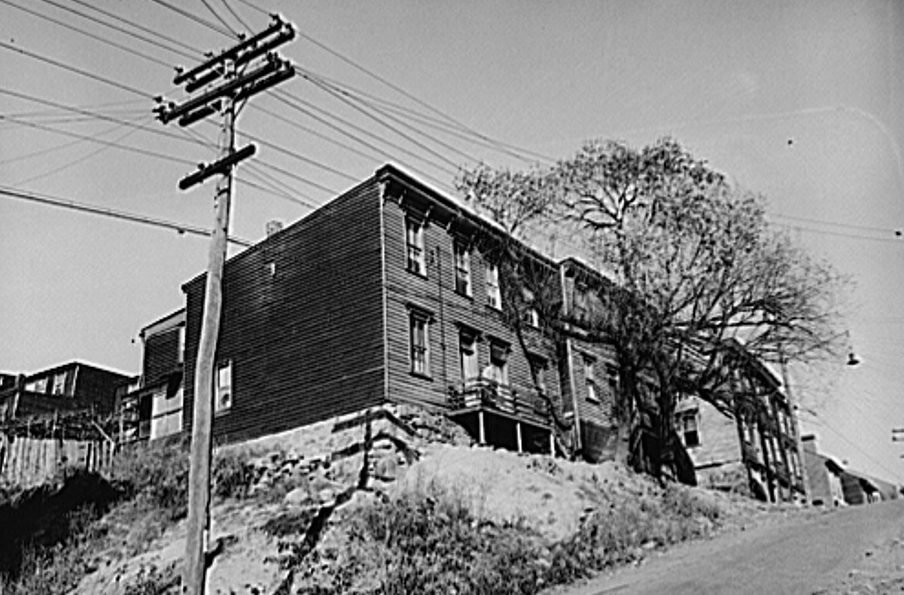
Keep the original title, photographer, date or date uncertainty, catalog identifier, and rights statement with the image. Write a caption that identifies the actual subject. Do not rename a generic photograph as your ancestor’s home or describe unidentified people as relatives.
Why newspaper searches miss names
Digitized newspaper searches often depend on optical character recognition, or OCR. Searchable text can contain errors, particularly in damaged print or difficult type. Try shorter searches, alternate spellings, and associated names. When you know the approximate date, browsing page images may be more productive than repeating an exact phrase.
Consult the Library’s current Chronicling America search tips for available search options. Read the page image before quoting a passage or recording a name. Preserve the source spelling and distinguish a transcription from your interpretation.
Combine newspapers, maps, and family documents
- Confirm the family and address in a census or another personal record.
- Locate the address on a suitable historical map and check the map key.
- Identify newspapers serving that community and inspect their coverage.
- Search relatives, organizations, addresses, and relevant events.
- Record which findings identify the family and which provide historical context.
The useful result is a documented research file rather than a collection of attractive images. Retain conflicting details, note gaps in digitized coverage, and explain the next question. These steps can help connect American evidence to a more focused search for the family’s Polish hometown.
Frequently asked questions about Library of Congress research
Can I use Library of Congress genealogy resources online?
Yes. The Library provides online research guides and digital collections. Not every item in its holdings is digitized or available remotely. Check the specific catalog record and access information.
Does Chronicling America contain every American newspaper?
No. It contains selected titles and issues. Check the collection’s title and issue coverage, then investigate other libraries or repositories for gaps.
Can a Sanborn map prove where my ancestor lived?
A map can show a building or neighborhood for a particular edition. Use a census, directory, or another personal record to establish the family’s address before connecting it to the map.
Sources and research tools
- Library of Congress: genealogy research guides
- Library of Congress: Chronicling America historical newspapers
- Library of Congress: newspaper search tips
- Library of Congress: finding Sanborn maps
- Library of Congress: 1921 Chicago Sanborn map
- Library of Congress: Shenandoah miners' homes
How we can help
PoloniaRoots researches American and Polish documents to test family connections and identify the right ancestral locality. Review our research projects and prices, choose a scope, and complete payment before sending family details through the order form. Include your existing documents, source references, and unsuccessful searches. The outcome depends on surviving evidence; a particular discovery cannot be guaranteed.