1930 Census Records: Find Your Family and Immigration Clues
American Genealogy Records · 1930 Census Records
A 1930 census entry can help you follow a Polish American family between an immigrant generation and its American-born children. The most useful clues often sit beyond the name: an age at first marriage, an immigration year, citizenship status, or a street address. Read the household image, then use those clues to choose the next record to search.
Where to search 1930 census records online
Use the National Archives online census resources to reach the 1930 collections. NARA lists FamilySearch as free with account creation and also links to subscription and institutional access options. Check the collection description and image availability on the provider you choose.
- Start with a known household, a likely residence, and approximate ages.
- Select the 1930 US federal population census rather than searching all collections together.
- Try a surname variant only when it fits the person and other family evidence.
- Compare relatives and residence, then open the page image.
- Read the headings and save a citation before adding new details to your tree.
If several households look plausible, make a comparison list. Record which spouse, child, occupation, or location agrees with independently identified records. Leave the identification unresolved if the evidence is too weak. Choosing the first result can attach an entire unrelated family to your tree.
What does the 1930 census tell you about a family?
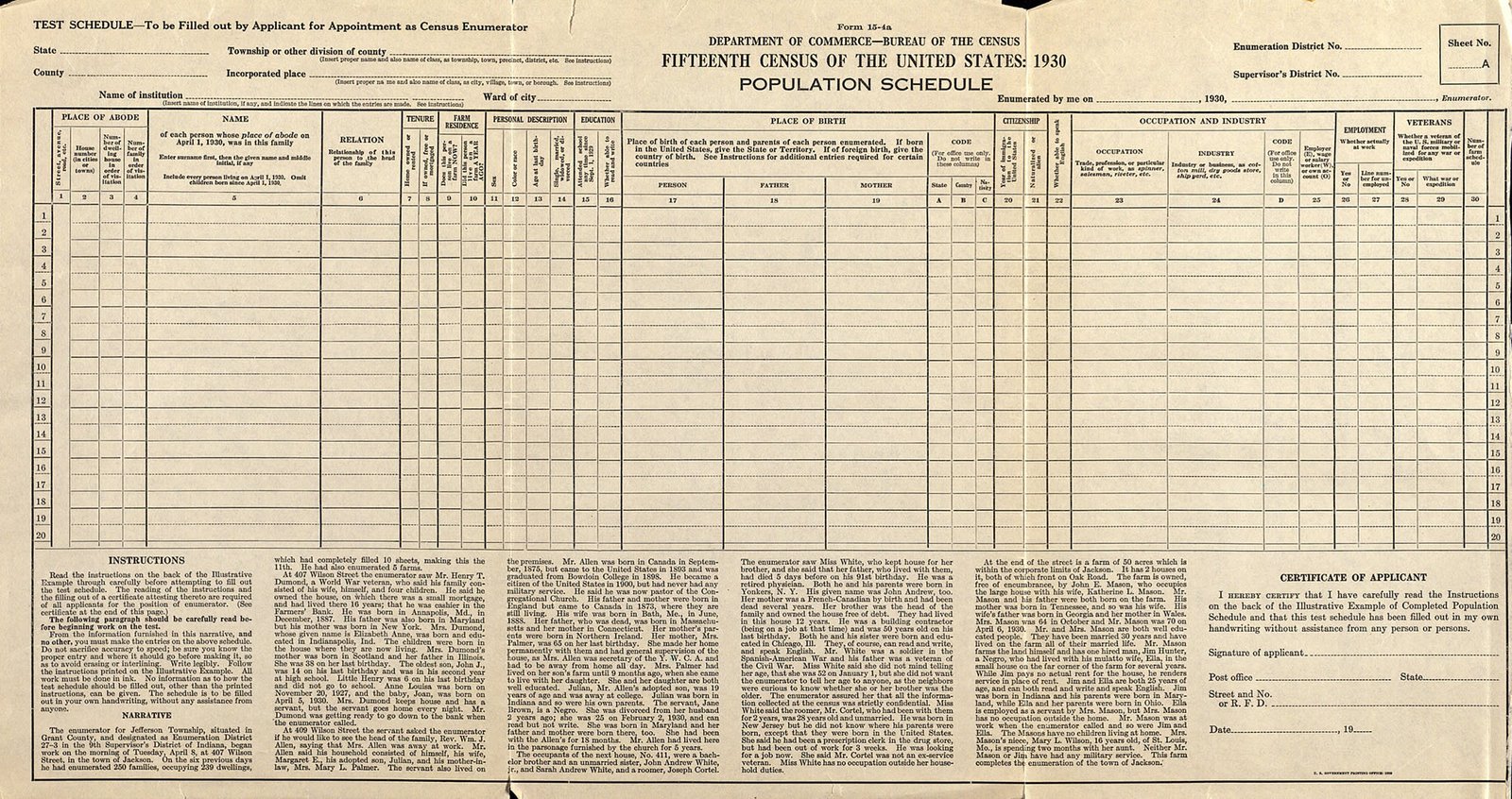
The general population schedule includes relationships, ages, marital condition, age at first marriage, birthplaces, immigration and citizenship answers, work, and home information. The official reference date was April 1, 1930. NARA’s 1930 census FAQ explains the questions and differences from earlier censuses.
Read the household as a group. A relationship such as son or mother describes a relationship to the head, not to every person on the page. Keep boarders and lodgers in your transcription, but do not automatically make them relatives. Their names may become useful leads if another source later connects them to the family.
Use age at first marriage to plan a records search
Age at first marriage is a clue to an earlier event, not the date of the current marriage. NARA’s guide to the 1930 questions highlights this distinction from earlier marriage questions. Read the entry for each spouse separately.
In a hypothetical example, a man is recorded as 42 and first married at 24. Subtracting suggests a starting point around 1912. Search a range around that estimate, allowing for birthdays and inaccurate reported ages. Do not create an exact wedding date from the subtraction.
If the spouses’ estimates disagree, investigate an earlier marriage, an incorrect age, or a mistaken identification. A marriage record can test the couple’s names and parents where recorded. If the family was already married before arrival in America, extend the search to the locality supported by European evidence rather than assuming the wedding occurred in the United States.
Compare immigration and naturalization with 1920
The 1930 schedule asks an immigration year and naturalization status, but does not repeat the separate naturalization-year question from 1920. Na means naturalized, Pa refers to first papers, and Al means alien. Consult NARA’s census clues guide and compare the original entries in both years.
Make two dated statements: what the person was reported as in 1920 and what was reported in 1930. A change can suggest a search window. It does not by itself prove that naturalization occurred between the enumerations. Look for the declaration, petition, and supporting documents, and compare the family details before accepting the file.
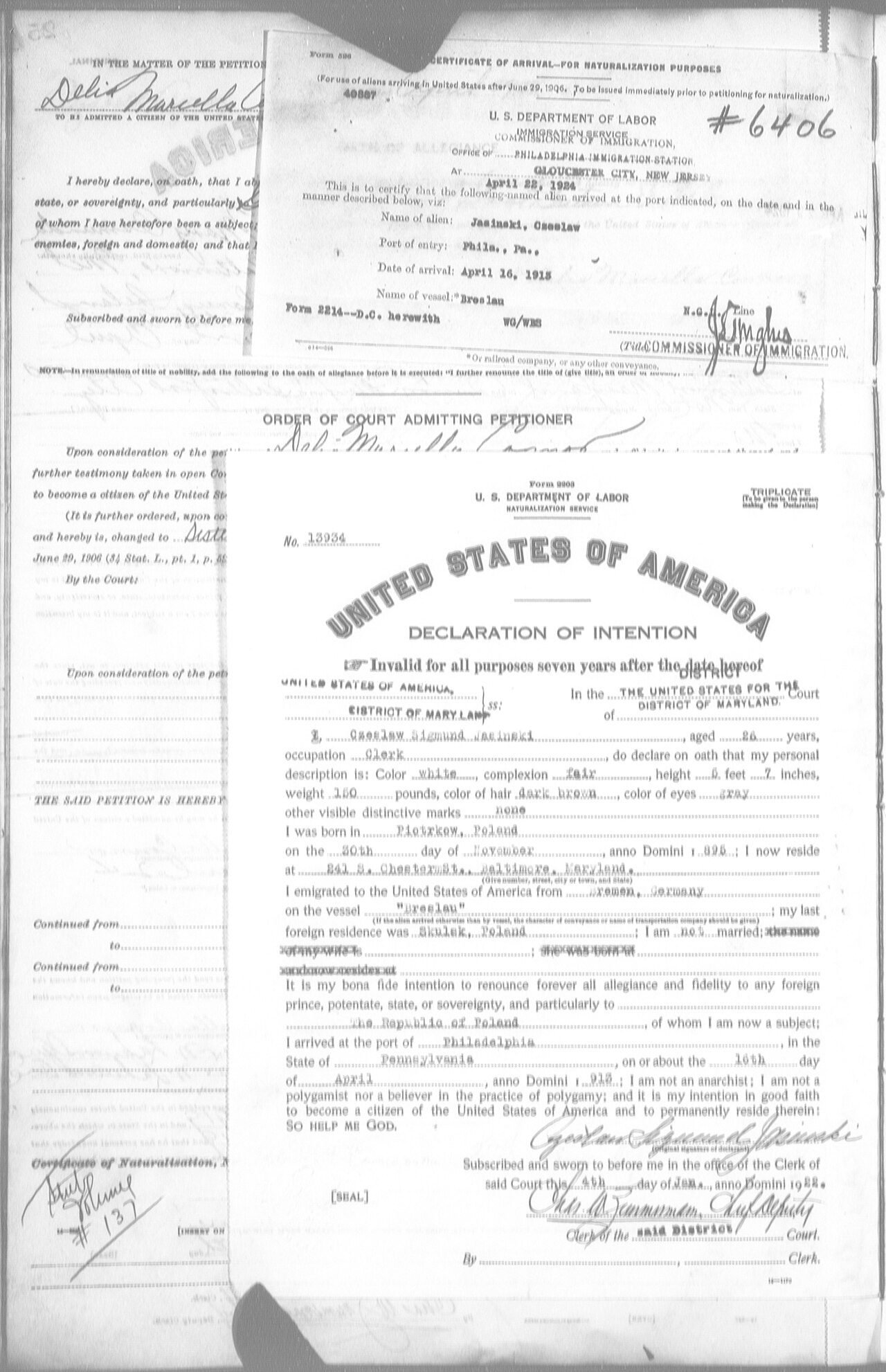
An immigration year should likewise remain a reported estimate until tested. Compare it with the 1920 census and available arrival records. If the years differ, keep the conflict visible in your timeline. Search passenger lists using relatives and destination contacts as well as the year.
Why might a Polish ancestor have a different birthplace label?
The 1930 form instructed enumerators to identify the country in which a foreign birthplace was then situated. This wording matters when comparing a family across changing borders. The Census Bureau’s 1930 questionnaire documentation reproduces the questions and instructions.
A different country label does not automatically mean a different person. Equally, shared language and a broad birthplace do not establish identity. Transcribe the wording, compare the household, and investigate the actual locality through independent records. Keep language, country, and town in separate fields in your notes.
Search by address when the name index fails
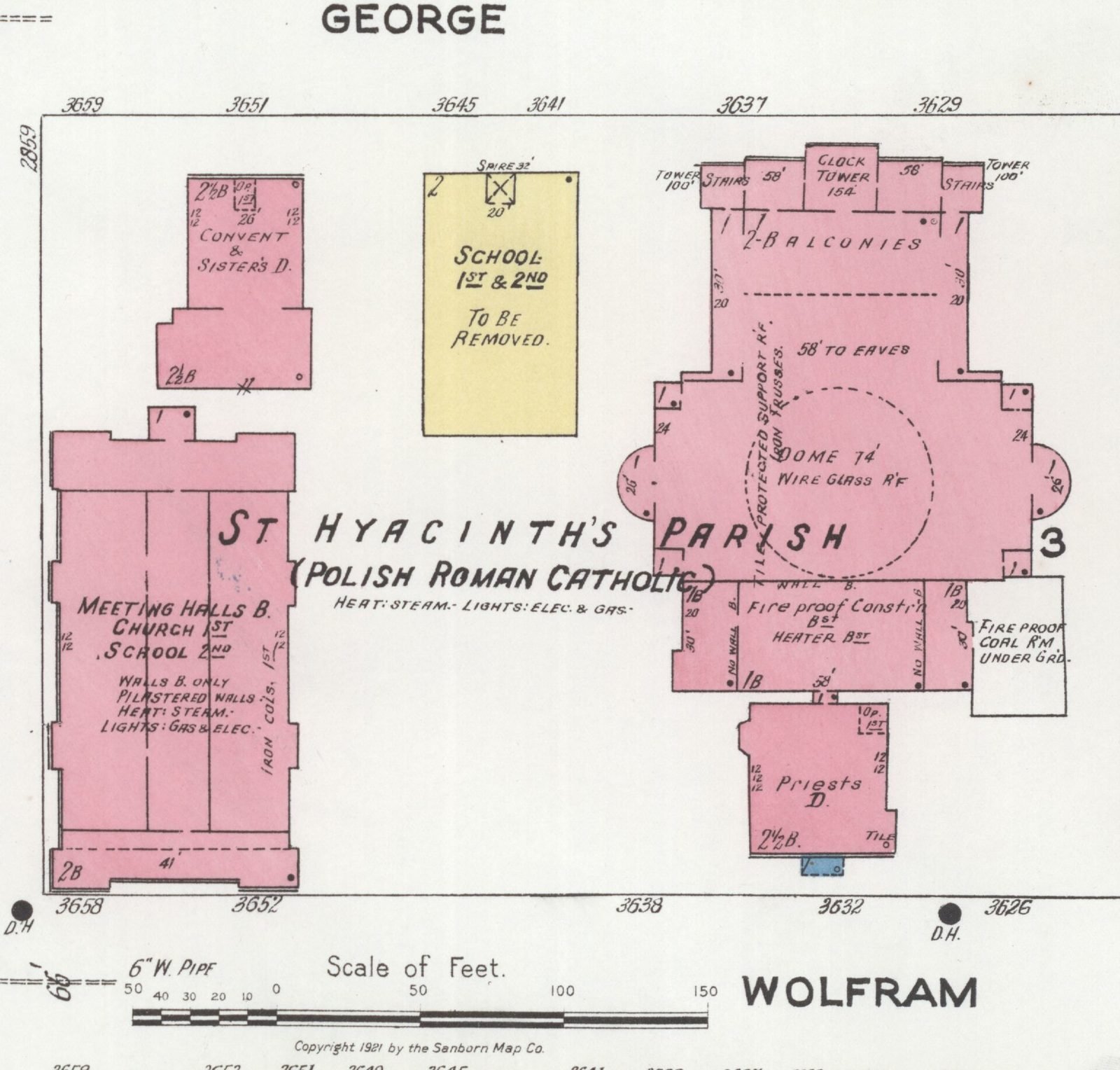
Start with an address supported by evidence close to 1930, such as a city directory or another dated family document. Identify the enumeration district for that census year, then browse the appropriate images. The district number from another census year should not be assumed to cover the same streets.
Follow the street and house numbers across the pages. If the family is missing, review the address date, possible moves, and district boundaries before ruling out the household. Our enumeration district maps guide explains how to organize that search.
Turn work, housing, and veteran clues into next steps
Write the occupation and industry as separate statements. If a directory gives a similar name and trade, compare the address and family before treating the entries as one person. A broad job description is a useful lead, but several unrelated people in the same neighborhood may share it.
Home value or monthly rent can add context to an address. Avoid treating one reported amount as a complete measure of wealth, and do not assume every household member owned the property. Investigate deeds or other property records when ownership is the question. A radio entry adds household context, not a family relationship.
If a veteran entry is present, record what it says and investigate the appropriate service records. Keep the census statement separate from confirmed service evidence. Our military records guide distinguishes draft registration, personnel files, and other military sources.
A practical 1930 census research checklist
- Save the full image with its collection, locality, district, sheet, and household reference.
- Transcribe the household and the exact relationships to the head.
- Separate first-marriage clues from assumptions about the current spouse.
- Compare immigration and citizenship statements with 1920.
- Write down birthplace and language without silently standardizing the wording.
- Choose one next document that could answer a specific unresolved question.
1930 census questions
Can I search the 1930 census for free?
NARA links to FamilySearch as a free option with account creation. Check the current collection access conditions; other providers and institutional routes can have different requirements.
Does age at first marriage prove when my grandparents married?
No. It is an estimated lead about the person’s first marriage, which may involve an earlier spouse. Confirm the couple and date with an actual marriage record.
Does this census state the year of naturalization?
The general schedule records status but has no separate naturalization-year question. Compare 1920 and seek the citizenship documents themselves.
What should I do after finding the household?
Test one useful clue in another record, then work toward a documented Polish locality. A census name match is the beginning of that process, not proof of a connection to a particular village.
Sources and research tools
- National Archives: online census resources
- National Archives: 1930 census FAQs
- National Archives: questions on the 1930 census
- Census Bureau: 1930 questionnaire and instructions
- National Archives: census clues
How we can help
PoloniaRoots researches American and Polish documents to test family connections and identify the right ancestral locality. Review our research projects and prices, choose a scope, and complete payment before sending family details through the order form. Include your existing documents, source references, and unsuccessful searches. The outcome depends on surviving evidence; a particular discovery cannot be guaranteed.