1880 Census Records: Find Your Family Before 1900
American Genealogy Records · 1880 Census Records
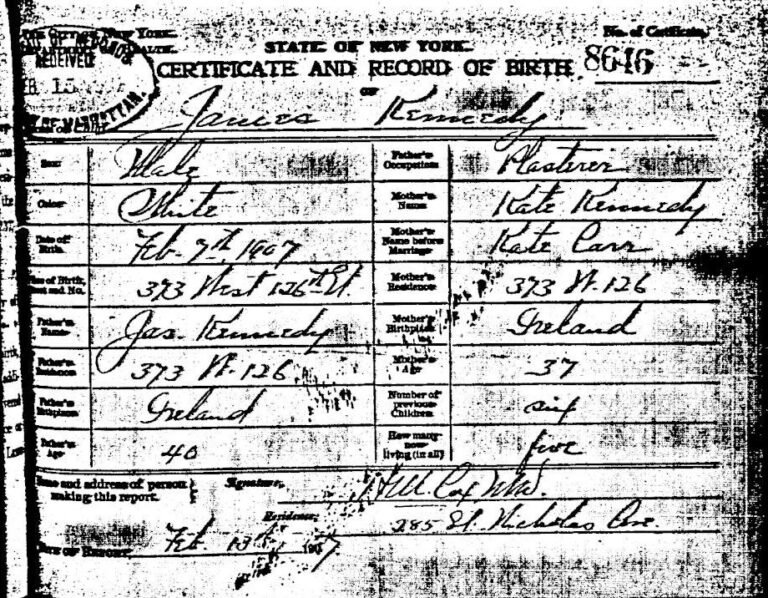
The 1880 census is a useful starting point if your Polish immigrant family was already in the United States before 1900. It records how each person was related to the household head and where each person’s parents were born. Read those details together to separate families with similar names and find records created before the next surviving federal count for most places.
Where to search the 1880 US census
Begin at the National Archives online census guide. Its 1880 section links to online collections, including a FamilySearch option with a free account. The original population schedules were microfilmed as publication T9. The reference date was June 1, 1880. A household entry describes residence at that point, even if the enumerator visited later.
- Identify a place where the family lived near 1880 using a birth, marriage, church, or land record.
- Search for the family under known surname variants and use one or two relatives to test the match.
- Open the image and record the state, county, township or ward, enumeration district, page, and line.
- Read nearby households and the adjacent page if the family is split. Write down why the household fits before adding it to your tree.

Read household relationships from the head’s point of view
The 1880 federal population schedule was the first regular decennial census schedule to ask each person’s relationship to the household head. Son, niece, or boarder describes a relationship to that head. Read family and dwelling numbers alongside the labels: a dwelling can hold more than one family, and a family can include people who are not related to the head.
In a fictional example, Mary is listed as the head’s daughter and Joseph is listed as a boarder at the same address. If a later marriage record names Mary and Joseph as spouses, the earlier page helps place them together in 1880. It cannot tell you when they met or establish that another same-named Joseph was the groom. Compare ages, occupation, and other identifying details.
Use parents’ birthplaces without forcing modern borders
Read the birthplace for each person and the separate birthplace columns for their father and mother. An American-born child may have parents recorded as born abroad even when those parents are absent from the household. A broad designation such as Prussia is worth keeping exactly as written. It leaves several possibilities open and cannot identify a town by itself.
Compare siblings and other known relatives. If records disagree, keep the wording and source for each answer. A birth or baptism naming both parents can help you decide whether two households are connected. A later passenger list or naturalization record for an adult immigrant may add a more precise place.
Use an address to work around a difficult index
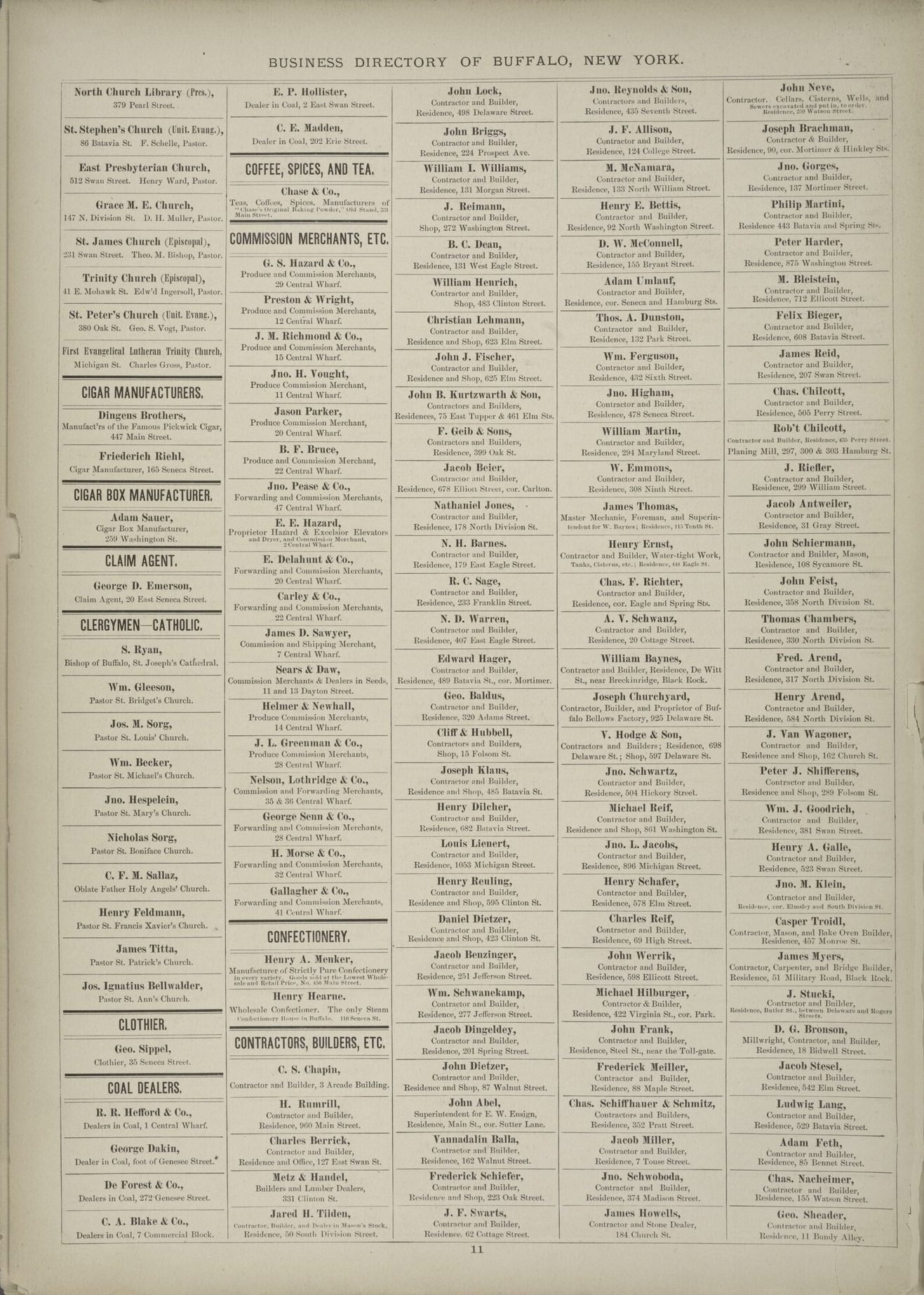
In cities, look for street and house-number fields on the left side of the page. A house number is different from a dwelling number assigned by the enumerator. Use a period directory or map to place the address before browsing the corresponding enumeration district. Verify the city and date before trusting a modern address with the same street name.
If you use NARA’s historical Soundex, note its coverage rule: the 1880 Soundex was made for households with children age ten or younger. That limit is specific to the Soundex. If you cannot find a card, try a modern index or browse the original schedules.
Bridge the gap to 1900 one record at a time
Most of the 1890 population schedules do not survive. For the intervening years, build an address and family timeline using city directories, state censuses where available, church registers, deeds, and vital records. A documented child’s marriage or a widow’s change of address may connect the two census households more securely than a surname match.
1880 census questions
Does the 1880 census give an immigration year?
The regular population schedule has birthplace columns and no immigration-year column. Look for arrival clues in later censuses and search passenger records separately.
Can I tell exactly when an infant was born?
The schedule can record an infant’s age as a fraction of a year and ask for the birth month for children born within the census year. Use those clues to look for a birth or baptism record with an exact date.
Sources and research tools
- National Archives online census collections
- National Archives census research tips
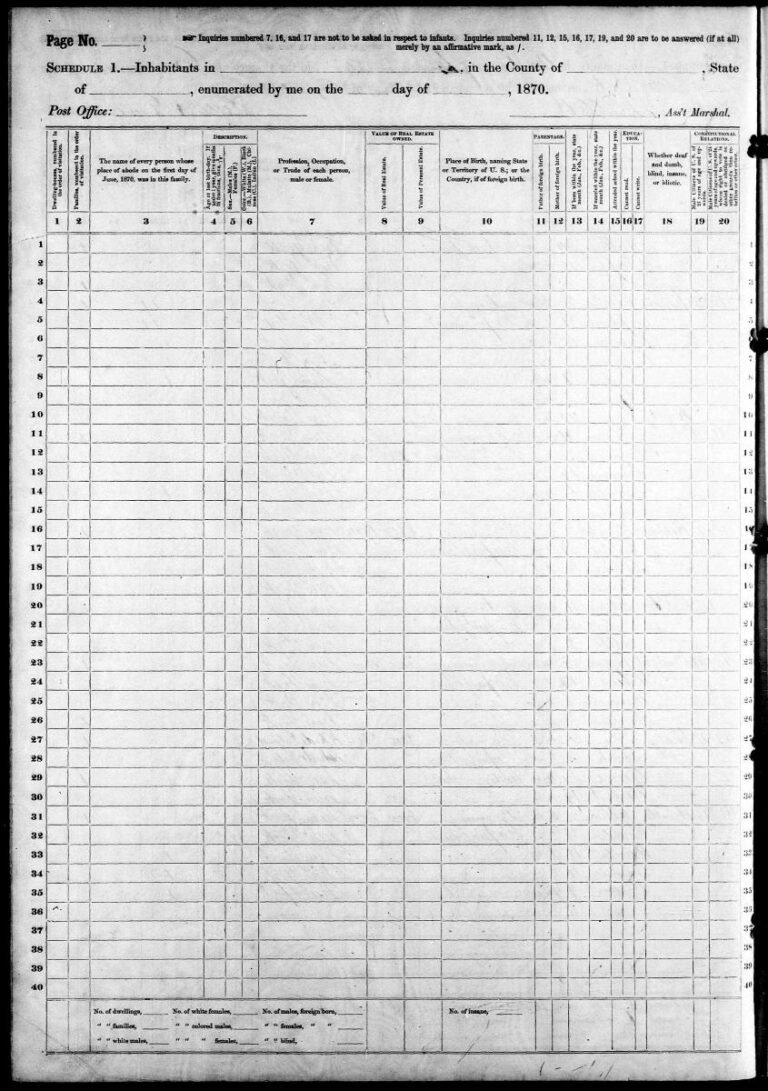
- 1880 population schedule headings
- 1880 schedule and Soundex catalog
How we can help
If your US records give conflicting names or only a broad birthplace, Polonia Roots can compare American and Polish sources to investigate the family connection. Bring the documents you already have and the specific question you want researched.