US Records · US city directories
A federal census gives one address every ten years. A city directory can place the same family almost every year, showing when they moved, changed jobs, married, became widowed or disappeared from the city.
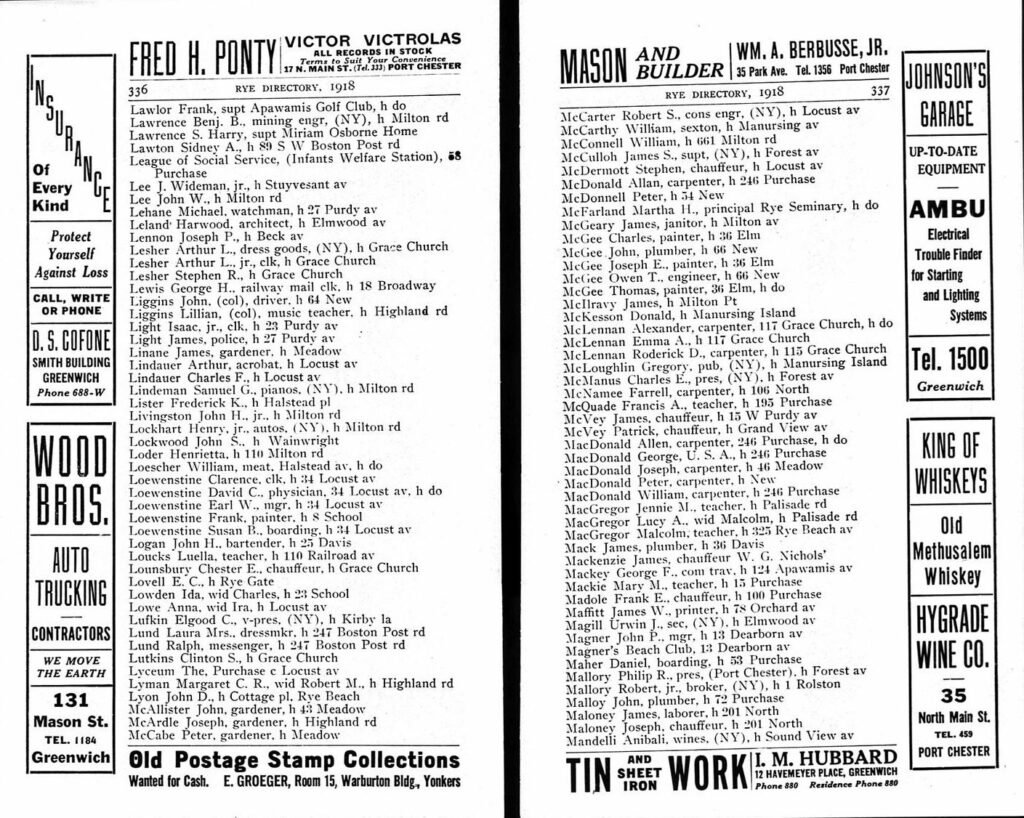
What a directory entry can tell you
- Home address and sometimes whether the resident owned or rented
- Occupation and employer
- A spouse’s given name in parentheses
- Widow status and sometimes the deceased husband’s name
- Business, parish, lodge and charitable organization listings
- A reverse directory arranged by street address in some later volumes
Build a year-by-year address timeline
Begin with a known census or vital record and work backward and forward one volume at a time. Record the exact spelling, address, occupation and spouse. A sudden address change can point to a marriage, death, factory closure or move to a nearby suburb.
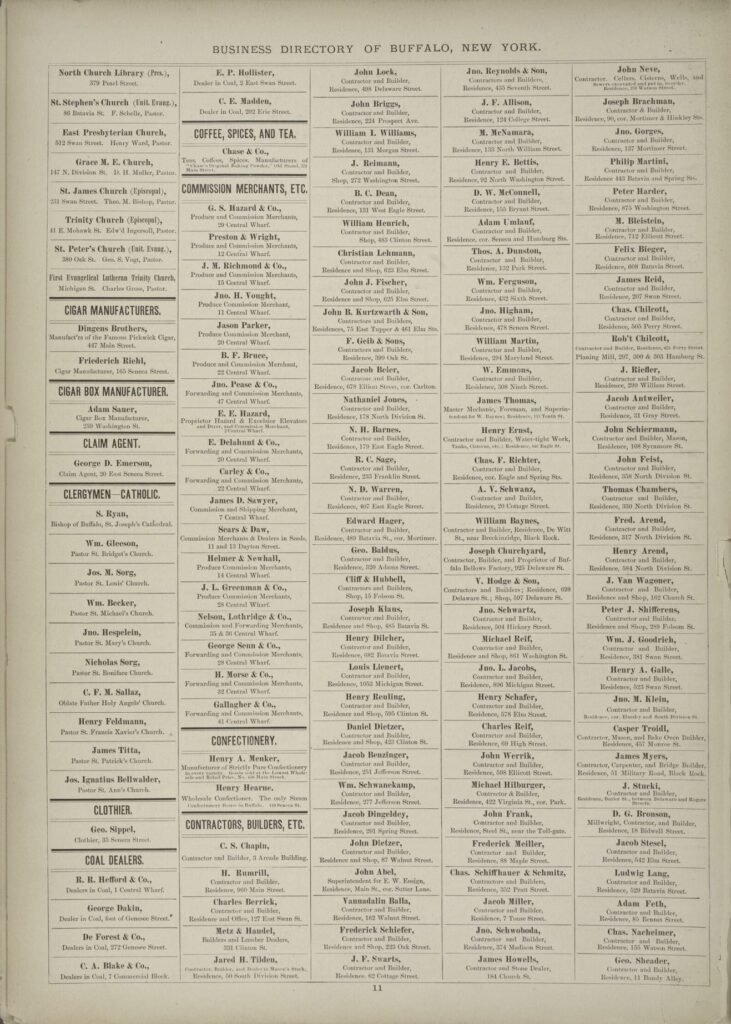
Search beyond the surname
Polish names may be abbreviated, anglicized or misfiled. Search by street, spouse, occupation and business name. At the same address, note boarders and families with different surnames because they may be relatives or people from the same Polish locality.
Where directories survive
The Library of Congress holds directories for more than 1,200 cities and communities, primarily from 1861 through 1960. Local public libraries, state archives, historical societies and university libraries often have longer city-specific runs, sometimes digitized and sometimes only on microfilm.
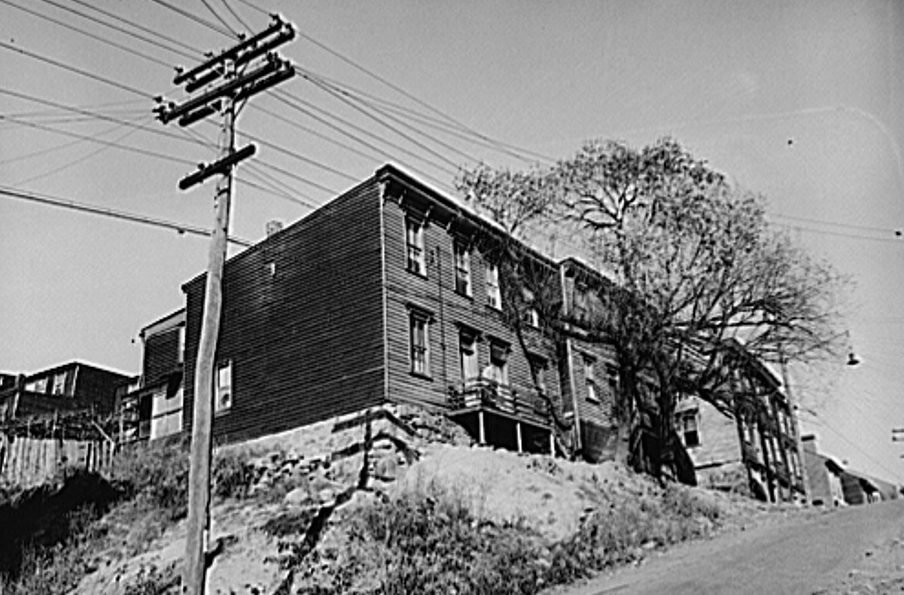
Turn an address into other records
- Use the address to identify a census enumeration district
- Match it to a Polish Catholic or National Catholic parish
- Open a Sanborn map to see the building and surrounding workplaces
- Search the local newspaper for the address when the surname fails
- Check property, tax and voter records held by local or state archives
Directory publishers missed residents and reused old information. Confirm every important conclusion with another directory or record.
Sources and research tools
How we can help
We build address timelines from directories and connect each move to censuses, parishes, courts and employers before tracing the family back to Poland.