Polish Jewish Surnames: Meanings, Variants, and Records
Family History Research · Polish Jewish Surnames
Polish Jewish surnames can preserve clues to a place, a parent’s name, an occupation, or a family tradition. They cannot prove that a particular person was Jewish or that two people with the same surname belonged to one family. For an American descendant, the strongest approach is to connect US documents to a specific European town, then investigate the relevant Jewish registers and other surviving sources.
What a surname can tell you, and what it cannot
Think of a surname as a search aid. Its apparent language can help suggest spelling variants, but families moved between linguistic and political settings. The same name can occur in different communities. A surname shared with a rabbinic family does not establish descent from that family, and a Polish-looking ending does not establish religious identity.
The YIVO Encyclopedia discussion of names explains how personal names, patronymics, and hereditary surnames served different purposes in Eastern Europe. Widespread compulsory adoption of hereditary surnames developed under different states from the late eighteenth century onward. There was no single surname-adoption date for every place later described as Poland.
Common patterns in Polish Jewish family names
| Pattern | Examples to investigate | Research caution |
|---|---|---|
| Patronymic | A name formed from a father’s given name, sometimes with -owicz | An early record may use a patronymic that is not yet a stable hereditary surname. |
| Place-related | Names resembling a town or region | The name is a clue, not proof of the family’s most recent residence. |
| Occupational or descriptive | Names built from words for work, appearance, or other descriptions | Translate only after identifying the language and spelling in the original record. |
| Religious or lineage terminology | Cohen/Kohn, Katz, Levi/Levin, Segal | The form alone does not prove a specific lineage or relationship. |
Do not begin by assigning a colorful explanation to a family name. Instead, collect the earliest spellings you can document for your own line. A modern surname dictionary may identify possible linguistic roots; it cannot replace evidence that the entries refer to your family. Preserve any distinction between what an author proposes and what the records demonstrate.
Why the historical town and jurisdiction matter
A US document may describe an ancestor’s birthplace as Poland, Russia, Austria, or Galicia. These labels need to be interpreted in their period. Establish the specific town, including nearby larger towns and district names, before selecting a set of registers. Two places with similar spellings can have different jurisdictions and surviving records.
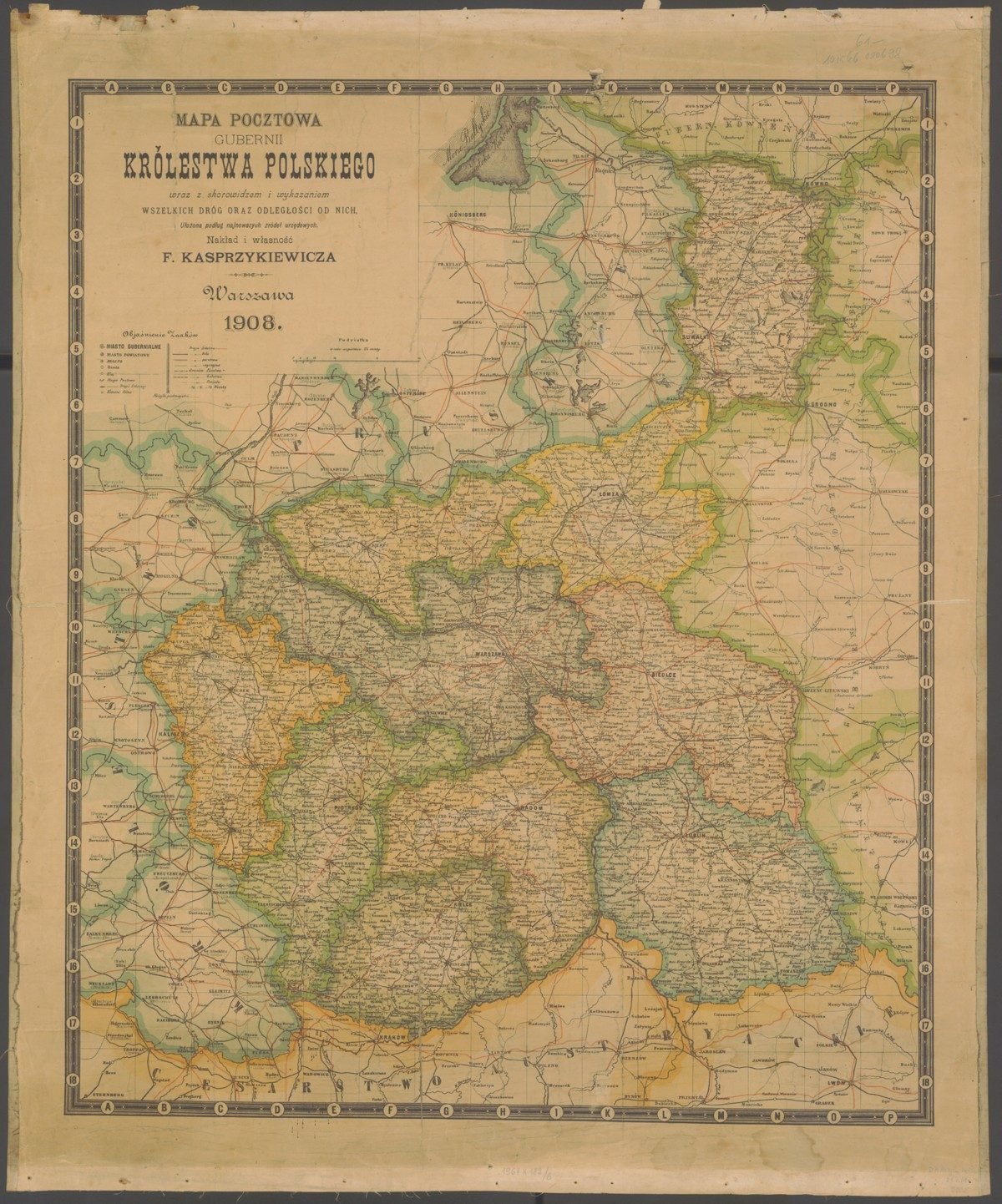
Build a locality note with the name as written, alternate forms, current location, historical administration, and the relevant dates. Keep language variants together, but do not merge places on resemblance alone. Compare addresses, occupations, relatives, and witnesses to distinguish people whose names recur in the same town.
Follow the family from American records
- Start with an identified deceased relative in the United States and record the source for each relationship.
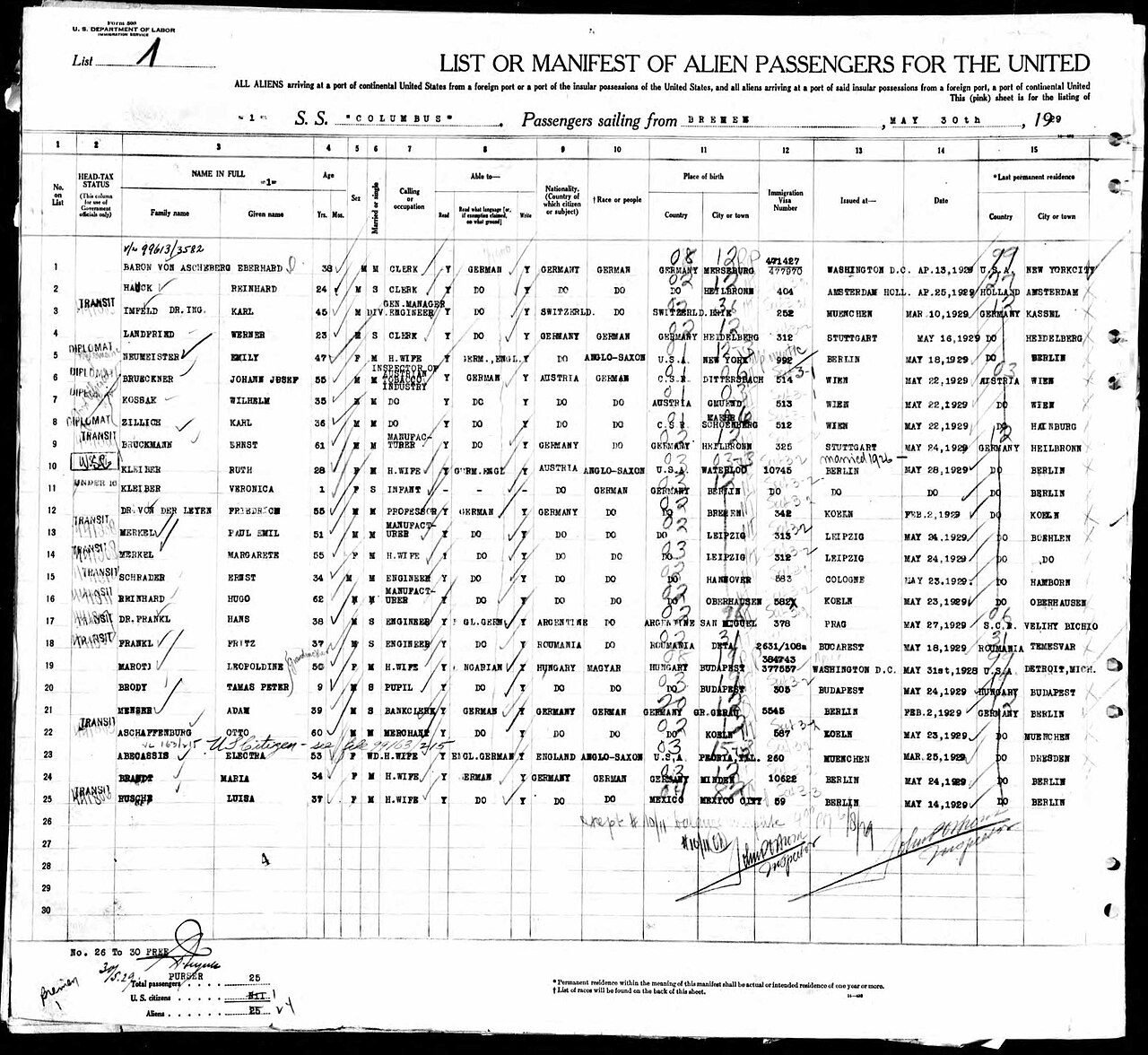
- Compare naturalization papers, passenger arrivals, marriage and death records, censuses, and obituaries.
- Collect maiden names, siblings, spouses, witnesses, and destination contacts as well as direct ancestors.
- Extract exact town names without silently replacing a historical country label.
- Test the proposed connection in the relevant European records.
Search a sibling or spouse when the direct ancestor gives only a broad birthplace. A passenger list can identify a contact or destination; a naturalization document can supply a locality. The strongest combination is a chain of compatible details, not simply the discovery of the desired surname in a Polish database.
Search surname variants without losing the person
Create a small search table. Put the spelling from each source in one column, the person and date in another, and the reason for treating it as a possible variant in a third. Preserve diacritics in a transcription, then try searches with and without them. Transliteration can produce several Latin-alphabet forms of names recorded in Cyrillic, Hebrew, or Yiddish.
Keep given names flexible too, while remaining cautious. An American everyday name and a religious name can differ. Do not equate two names automatically. A shared spouse, address, parent, occupation, or sequence of events is needed to explain why two entries describe the same person. JewishGen’s Polish-Jewish research questions and answers discusses patronymics and the difficulties of identifying maiden names in records.
JRI-Poland, JewishGen, and original records
JRI-Poland provides a specialized route into Jewish records associated with historical Polish territories. Check its current search access and town coverage. Note the year, event type, record number, and collection or archive reference in an index result. Where a scan or ordering route is provided, use it to examine the underlying entry. An index match alone is not a complete family reconstruction.
Use JewishGen locality resources to investigate town variants and community context. Then consult the relevant archive catalog for the actual surviving material. Keep database coverage separate from archival survival: a register may survive without being indexed, while an index may identify a record that is not freely viewable online.
A worked search plan for an uncertain surname
This example is fictional. A researcher has an American death record for Rose, with a father’s name that looks like Abramowicz and a birthplace listed only as Russia. Before attaching a family from a town with similar names, the researcher obtains Rose’s marriage evidence, follows her siblings, and checks the original handwriting. The plan is to identify her parents and locality, not to prove a religious identity from the surname.
Suppose a sibling’s document supplies a town and the same parents. The next search can target the relevant Jewish registers for that locality and period while keeping alternative interpretations open. Record what would support the proposed identification and what would contradict it. If the register does not match the American evidence, leave the connection unresolved.
Mistakes that can send a family tree down the wrong branch
- Treating a surname list as proof of a person’s religion or ethnic background.
- Assuming all people with the same name descend from a famous family.
- Using a modern border as the only guide to historical records.
- Confusing a patronymic with a fixed surname in an early entry.
- Ignoring a mother’s maiden name or the documents of siblings.
- Replacing a source spelling without retaining the original transcription.
Frequently asked questions
Can a Polish surname also be Jewish?
Yes. A surname can occur in Jewish and non-Jewish families. Determine the identity of your own ancestors through records about them rather than using a name as a religious test.
Does an ending in -ski establish noble or Jewish ancestry?
No. A suffix cannot establish either conclusion. Read it as part of the documented name and investigate the family’s actual relationships and history.
Can DNA identify the exact ancestor behind a surname?
A match can help test a genealogical hypothesis, but an ethnicity estimate or shared surname does not name the common ancestor. Documentary work and careful interpretation of the matches are still needed.
Sources and research tools
- YIVO Encyclopedia: names and naming in Eastern Europe
- JewishGen: Polish-Jewish research questions and answers
- JRI-Poland: research database and locality coverage
- JewishGen: Jewish genealogy resources
How we can help
PoloniaRoots researches American and Polish documents to test family connections and identify the right ancestral locality. Review our research projects and prices, select a scope, and pay before sending family details through the order form. Include the documents, source references, and unsuccessful searches you already have. A surname or online hint alone cannot guarantee a particular discovery.