National Archives Genealogy: Trace Your Polish Ancestors
American Genealogy Records · National Archives Genealogy
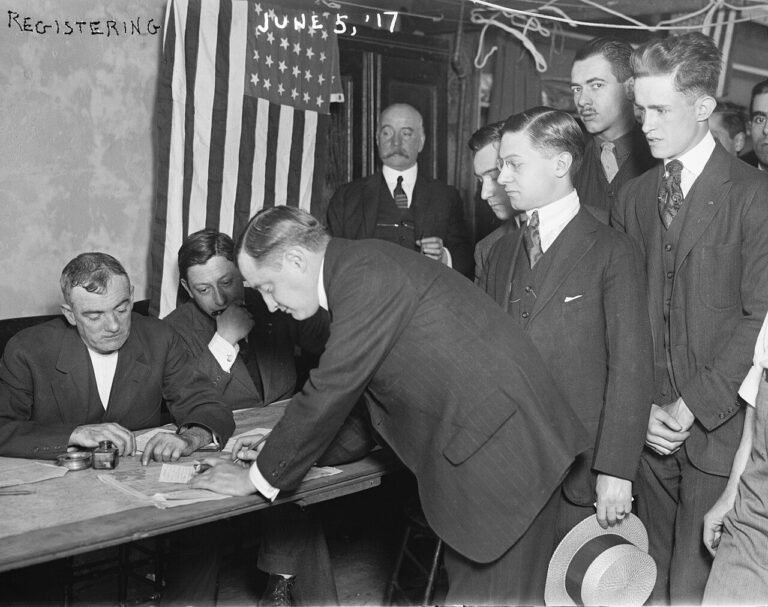
Your family may remember that a great-grandfather came from Poland, but the records needed to identify his hometown may be in the United States. National Archives genealogy research can connect an immigrant ancestor to a household, an arrival record, or a citizenship application. These documents can supply the evidence you need before searching parish registers and civil records in Poland.
What can you find in National Archives genealogy records?
The National Archives and Records Administration, usually called NARA, preserves federal records. Its main genealogy resources include census, immigration, naturalization, military, and land records. Start with a specific question: where did your ancestor live, when did they arrive, or which town did they come from?
- Use federal census records to investigate households and residence over time.
- Use passenger arrival records to investigate a journey to the United States.
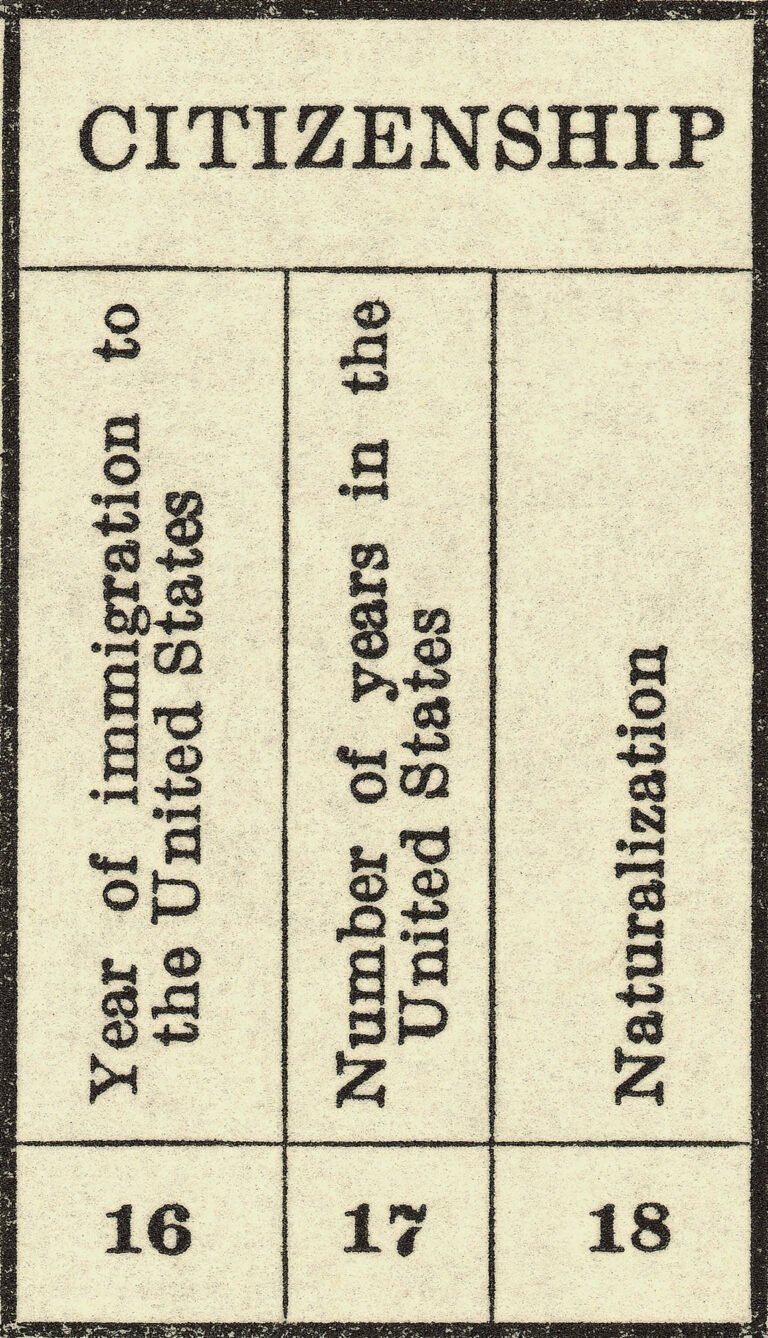
- Use naturalization records to investigate a citizenship application and its supporting details.
- Consult the relevant military or land research guide when the family history suggests a connection to those federal records.
Before searching, collect the approximate birth year, spouse, children, and known American addresses. These details help distinguish your relative from someone with the same surname. Treat an index entry as a lead. Whenever possible, examine the underlying document and save its source details.
Start with National Archives census records
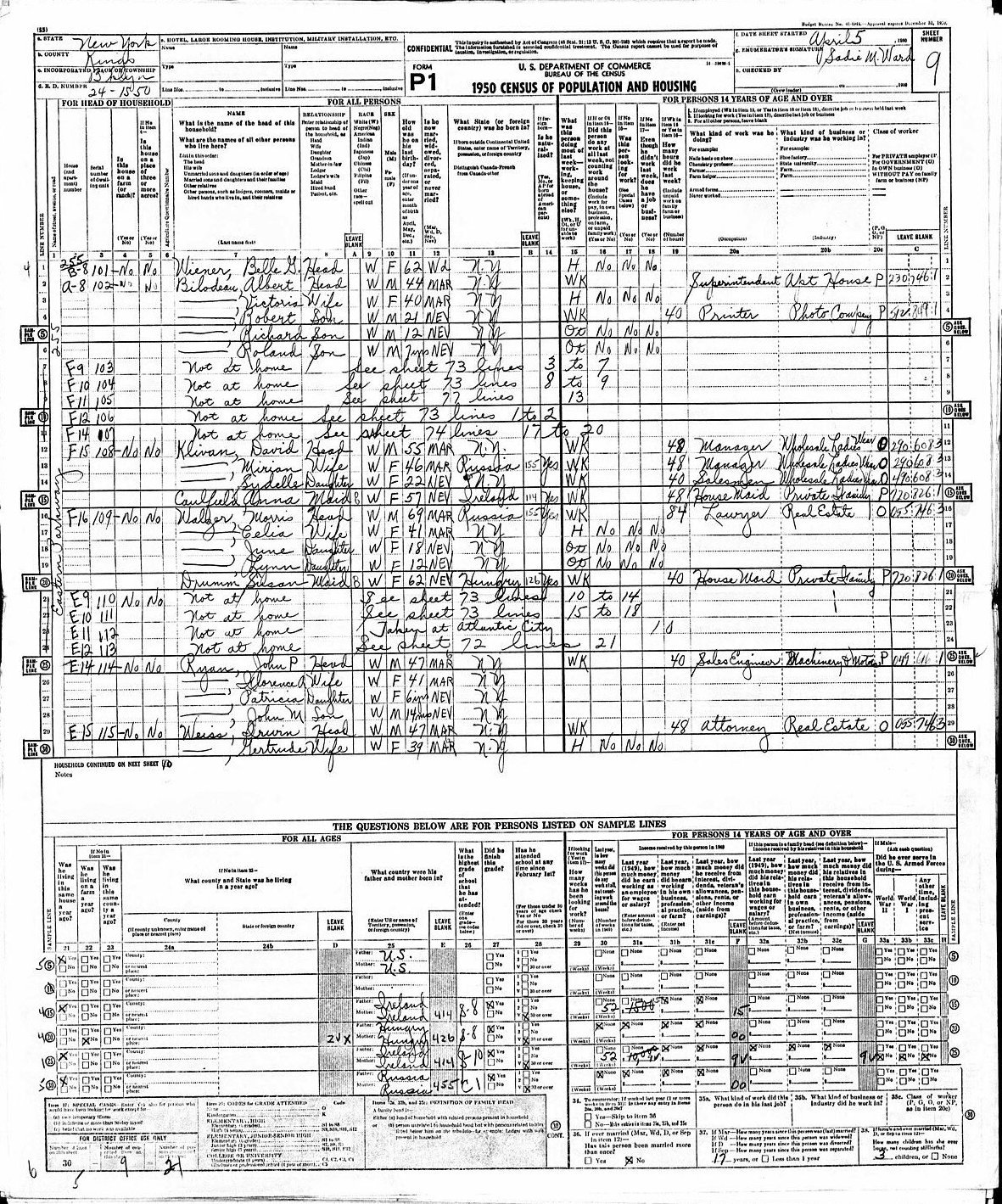
National Archives census records provide a framework for following a family through time. Publicly available federal population census records currently extend through 1950. The questions asked and surviving information vary by census year. Work backward from a household you can identify confidently, comparing names, ages, relationships, occupations, and addresses where recorded.
For Polish families, do not reject a possible match solely because one document gives a different country of birth. Record the wording exactly, then compare it with the person’s language, relatives, and other evidence. A broad birthplace needs to be interpreted in the historical context of the particular locality.
Pay attention to surrounding households. A familiar surname nearby may suggest a relative or another research lead, but it does not establish a relationship by itself. Record the census year, state, county, enumeration district, sheet, and household details that let another researcher find the same entry.
Search National Archives immigration records
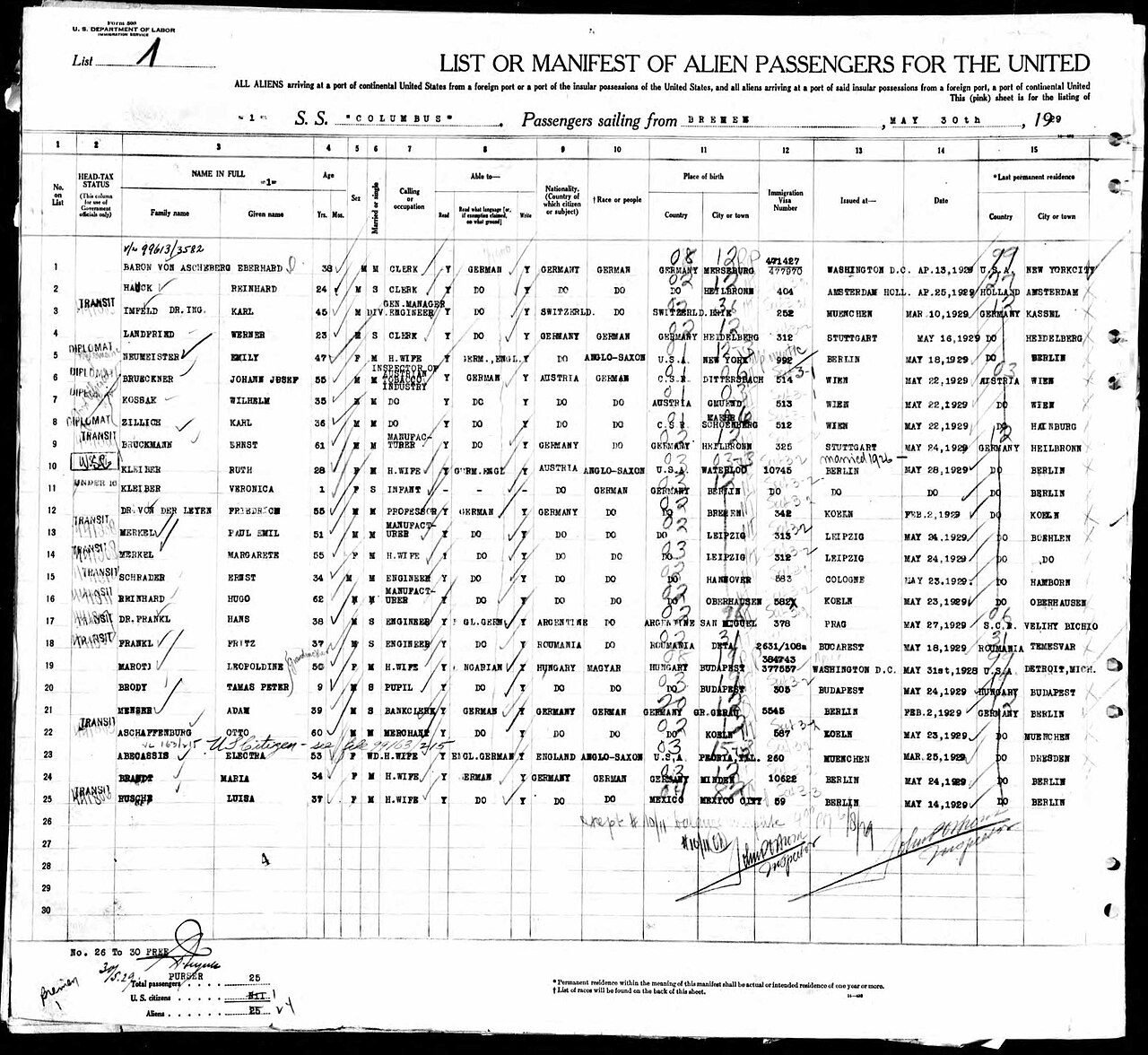
National Archives immigration records cover different ports, periods, and types of entry. First check whether a collection includes the journey you are researching. A search of one port or one website is not a search of every surviving arrival record.
Try documented surname variants, alternate first names, and a reasonable range around the estimated arrival year. When a possible passenger appears, compare the age, occupation, traveling companions, and destination with the family you already know. Depending on the date and form, a manifest may also identify a last residence, a relative abroad, or a contact in America.
Read every page belonging to the entry. Keep birthplace, last residence, departure port, and American destination separate in your notes. A name match alone is not enough, and a port name should not automatically become the family’s European hometown.
Use National Archives naturalization records to look for a birthplace
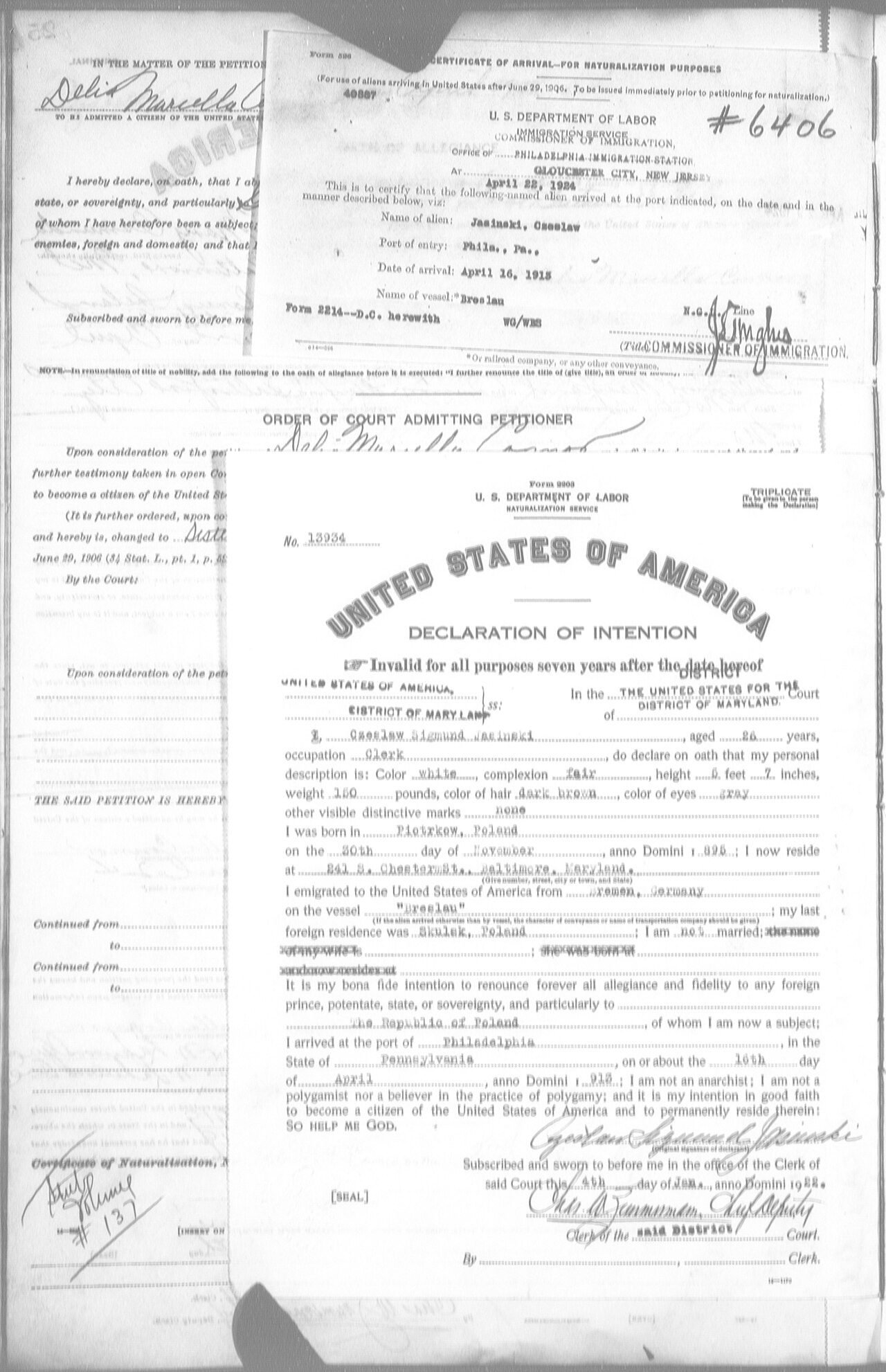
National Archives naturalization records can be useful when you need a more precise birthplace or arrival history. First identify the court. NARA generally holds naturalization records from federal courts; records from state and local courts may remain with other custodians. An unsuccessful NARA search does not prove that an ancestor never became a citizen.
Look for the documents associated with the process rather than stopping at an index. Compare the declaration of intention, petition, and accompanying records that survive. A certificate of arrival, when present, serves a different purpose from the petition. Keep each document’s title and source reference with the information you extract.
Transcribe unfamiliar place names exactly. Investigate alternate spellings, nearby towns, and historical jurisdiction before deciding which Polish locality the document identifies. If the handwriting is unclear, mark the uncertainty instead of substituting the town you hope to find.
What if you cannot find your ancestor online?
An unsuccessful name search is a reason to review the search. Have you selected the relevant place and period? Tried spelling variants? Compared relatives, witnesses, and addresses? Established which institution holds the records? Keep an unsuccessful search in your log with the collection title, coverage, terms used, and access date.
NARA links to online census resources and partner collections. The institution preserving the originals and the website offering a searchable copy may differ. A catalog description can identify a collection without providing every document as a searchable online image.
Turn American records into a research plan for Poland
Create a timeline of the American evidence. Include every recorded birthplace, arrival date, address, spouse, and close relative. Preserve conflicting versions until you can explain them. Then identify the town, historical jurisdiction, relevant parish or civil office, and period for the next stage of research.
For example, a census may establish a household, a passenger record may identify a destination contact, and a petition may name a birthplace. Their value comes from the compatible details connecting the same person across the records. Do not join them solely because they contain the same surname.
Frequently asked questions about NARA genealogy
Is National Archives genealogy research free?
NARA offers free research guidance and access to many online records. Copy orders, research services, and access through some partner websites may involve fees or account requirements. Check the specific collection and access route before paying.
Does NARA hold every naturalization record?
No. Identify the court and period first. Federal court records and state or local court records can have different custodians, and surviving coverage varies.
Can NARA identify the Polish village from a surname?
A surname alone cannot establish the family’s hometown. Look for locality evidence in documents about an identified ancestor and test it against relatives, dates, and other records.
Sources and research tools
- National Archives: start your genealogy research
- National Archives: census records
- National Archives: immigrant records
- National Archives: naturalization records and custodians
- National Archives: online census resources
How we can help
PoloniaRoots researches American and Polish documents to test family connections and identify the right ancestral locality. Review our research projects and prices, choose a scope, and complete payment before sending family details through the order form. Include your existing documents, source references, and unsuccessful searches. The outcome depends on surviving evidence; a particular discovery cannot be guaranteed.
Keep reading
Library of Congress genealogy resources