Build Your Family Tree for Free: A Step-by-Step Guide
Family History Research · Build a documented family tree without a subscription
You can build your family tree for free by starting with relatives and home documents, choosing a free tree tool, and adding one documented generation at a time. You do not need a paid subscription or a DNA test to begin. This guide explains how to make a family tree, find free US records, and follow a Polish American branch back toward its place of origin.
How to build your family tree for free in 7 steps
- Write down what you know about yourself, your parents, and your grandparents.
- Ask relatives about names, places, dates, and documents.
- Choose a free online tree, desktop program, or printable chart.
- Find records for the most recent deceased generation you can identify.
- Check each proposed relationship against the original documents.
- Save sources, record conflicts, and back up your files.
- Work backward one generation at a time, using US records before searching Poland.
Start with a manageable goal: document one grandparent and their parents. A small tree with explained relationships is more useful than hundreds of names copied from search results. Keep a separate list of questions so that an uncertain detail does not turn into an established fact simply because you entered it in a tree.
1. Start with what your family already knows
Create a note for each person: full name, maiden name when known, approximate birth and death dates, places lived, spouse, children, and where you learned each detail. Use an approximate year when necessary and label it as an estimate. Do not invent a full date to satisfy an empty field.
Look through certificates, funeral cards, letters, photograph albums, family Bibles, and naturalization papers. Photograph both sides of documents. A studio address, handwritten place name, or witness can become a better clue than the surname itself. Record who owns each original and ask before sharing personal material online.
Questions to ask an older relative
- What names did your grandparents use, including nicknames and maiden names?
- Where did the family live before the town you remember?
- Which church did they attend, and where were relatives buried?
- Who kept the family papers, letters, or photographs?
- Which details did you witness yourself, and which stories did someone else tell you?
Treat an interview as a source with a named informant and a date. Memories are valuable, but two relatives repeating the same story may both be relying on one earlier account. Write down the story accurately, then look for records that can test it.
2. Choose a free family tree maker that fits your needs
Choose the tool according to how you want to work. A tree builder stores relationships; a record website supplies evidence. Free access to one does not mean every historical record on the same service is free. The options below were checked in October 2026; review the linked provider information before creating an account.
FamilySearch for online research and collaboration
FamilySearch offers free accounts, tree tools, and historical record research. Its shared Family Tree lets researchers collaborate on deceased ancestors, so examine existing profiles and sources before adding or merging a person. Living-person visibility depends on the tree you use: your private space and a family group tree have different sharing rules. Review FamilySearch sharing guidance before inviting relatives.
Access to some historical images depends on the collection agreement. A free account does not guarantee that every image can be opened from home. Check the message on the individual record; a FamilySearch center or affiliate library may provide access in some cases. See the official image access explanation.
Ancestry for a free tree with paid research options
An Ancestry registered guest account lets you create, edit, and share your own trees. Most historical records and other members’ public trees require a membership unless an exception applies, such as an invitation to a tree. If you want to avoid a subscription, choose the free account rather than enrolling in a trial. Read the registered guest account limits before relying on a search result.
Gramps for keeping a tree on your computer
Gramps is free genealogy software for managing people, relationships, events, and sources locally. It suits researchers who want to keep their working tree on their own computer. It does not unlock subscription databases. Keep a native backup as well as any GEDCOM export, because GEDCOM may not preserve everything the program stores.
A printable family tree template for a simple start
If you prefer paper, the National Archives charts and forms page offers free ancestral charts and family group sheets. Use an ancestral chart for direct ancestors and a family group sheet for parents and children. Keep source notes on a separate page so that the chart remains readable.
3. Use free genealogy websites to find US records
Begin with a person whose identity and US residence you already know. Search a name with an approximate year and location, then vary one element at a time. If a spelling search fails, try a spouse or sibling. Browse the original pages when an index is incomplete or a name has been transcribed incorrectly.
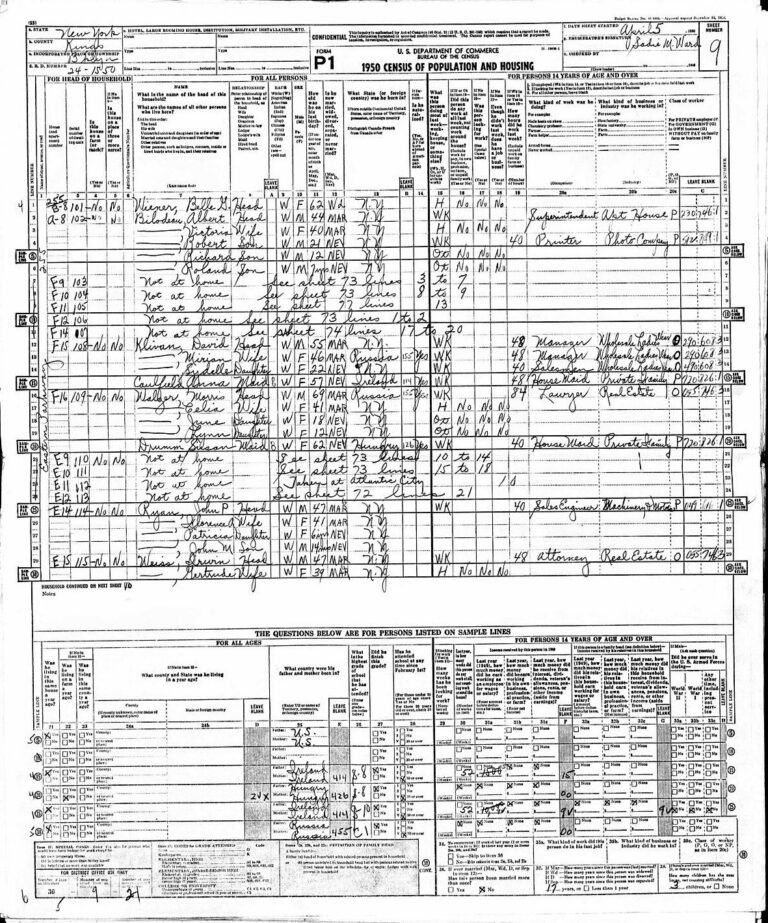
- Census records: compare households, ages, birthplaces, and relationships where recorded. The National Archives census access guide identifies online options, including free access routes.
- State and local archives: check their catalogs for digitized vital records, indexes, and city directories. Coverage varies by jurisdiction and year.
- Libraries: ask your public library which genealogy databases it provides and whether access is available from home or only on site.
- Newspapers and cemetery resources: use notices and memorials as leads, then verify identities and relationships with additional records.
Free genealogy websites do not all contain the same collections. Before searching for hours, check the place, date range, and record type covered. A missing result in an index does not prove that a person was absent from the locality or that the original record has not survived.
4. Prove relationships before adding another generation
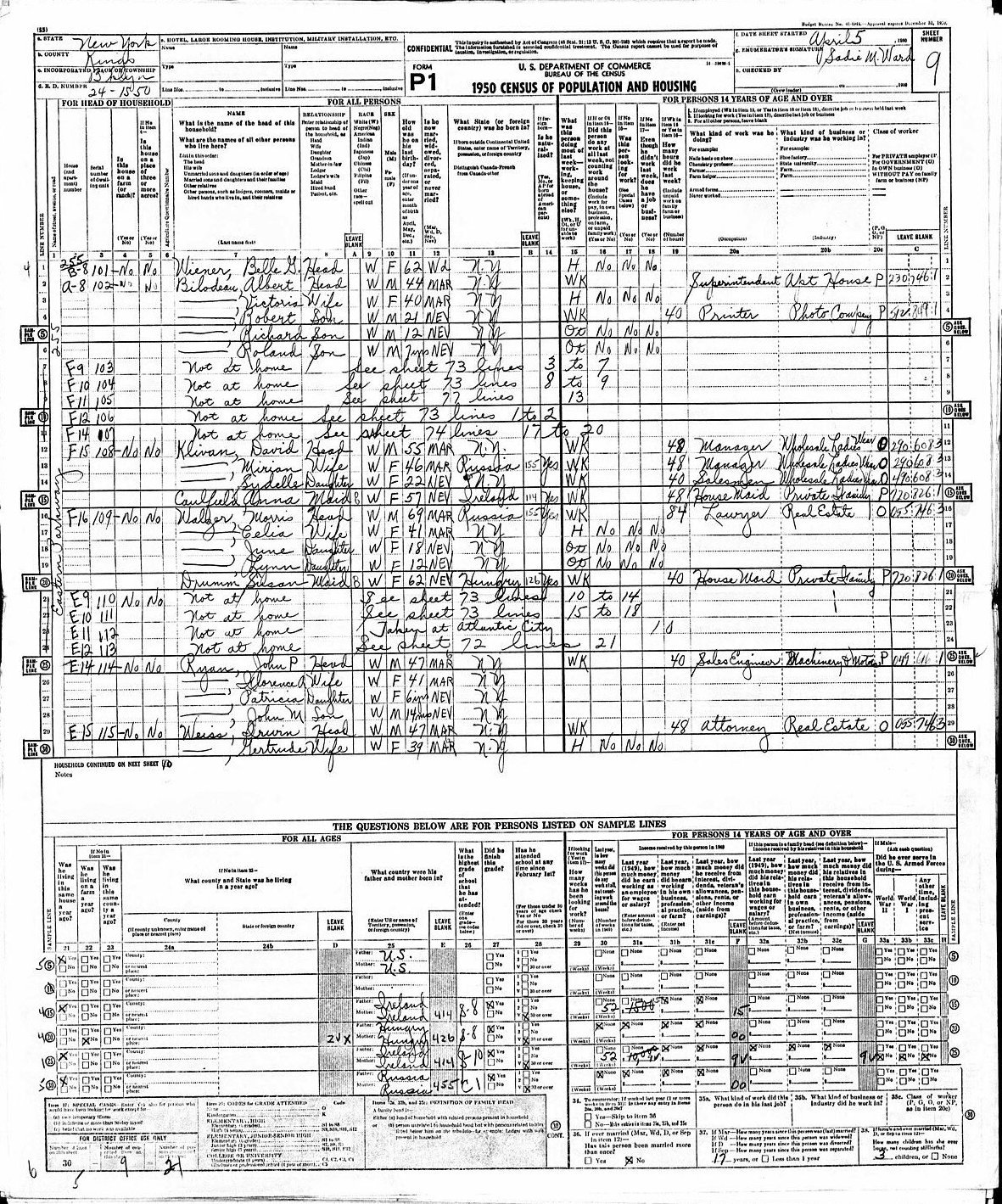
A matching name and birth year are a starting point. Compare the spouse, children, address, occupation, and locality. Ask which document actually links the child to the proposed parents. A birth entry may identify parents, while a census household may help place the same family at an address. The strength of a relationship depends on the combined evidence and any unresolved conflicts.
Open the original image when it is available. An index can omit a mother’s maiden name, misread handwriting, or leave out a note. Copy names as written and record your interpretation separately. For help with American records, use our historical US birth certificate guide.
Keep a simple source note for every important claim
Record the collection title, jurisdiction or parish, year, volume and page or entry number, person named, image link, and access date. Explain what the source supports. For a family interview, record the informant, interviewer, date, and whether a recording or written note survives. Save an image when the provider permits downloading; a bookmark alone may not be enough later.
Use a research log with five fields: question, source searched, search terms, result, and next step. Include unsuccessful searches with the collection coverage. This prevents repeating the same search and makes it easier to see what you have not yet checked.
5. Trace Polish ancestors from US records to a parish
For a Polish American branch, the immediate goal is usually a specific birthplace or last residence. Do not choose a Polish village because its name resembles your surname. Compare naturalization papers, passenger lists, church records, and relatives’ documents until the place can be identified and distinguished from similarly named locations.
Historical records may describe a birthplace using an earlier political jurisdiction. Preserve that wording, then investigate the locality in its historical context. Our guide to finding an ancestral village in Poland explains how to move from American clues to a place you can research.
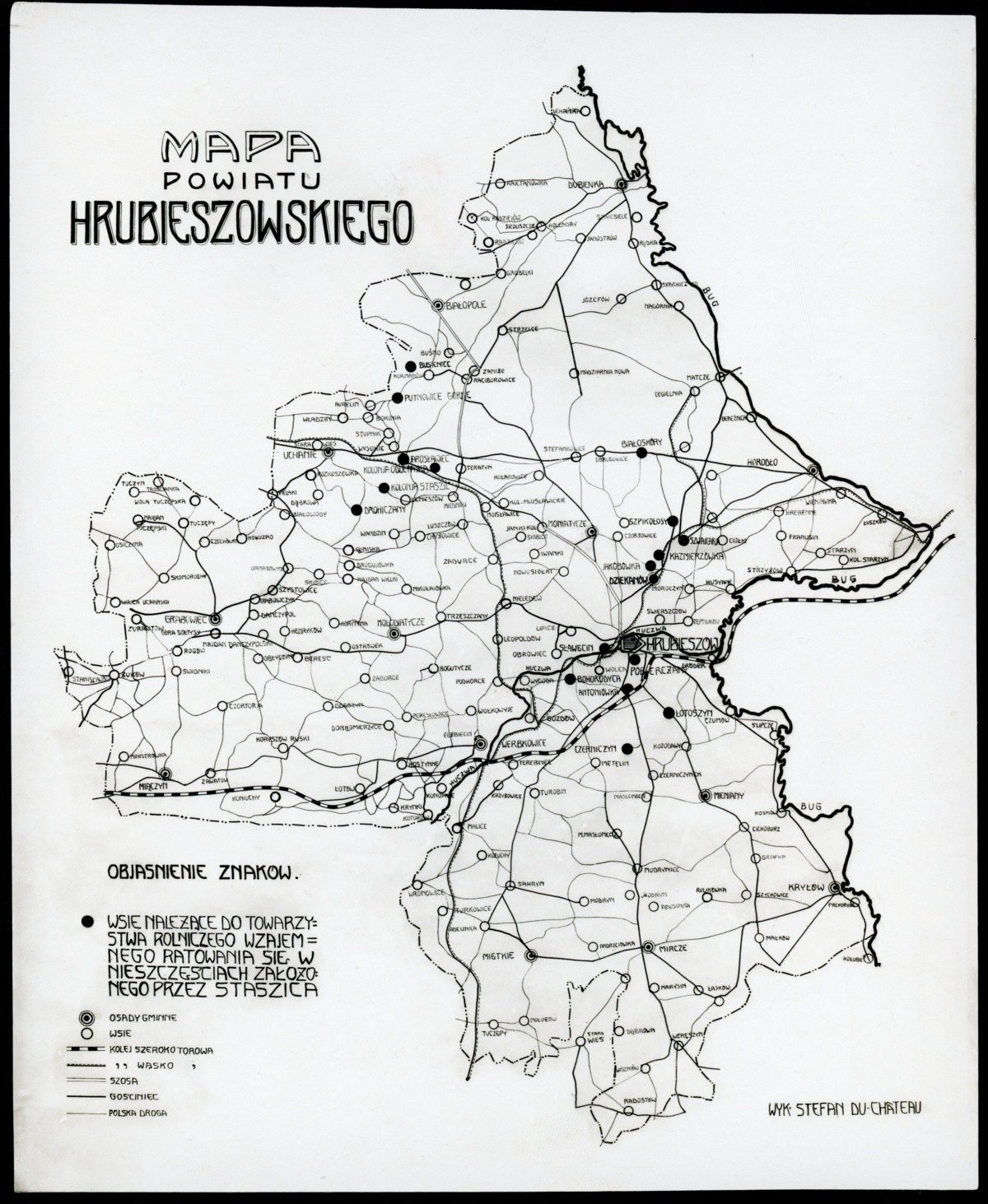
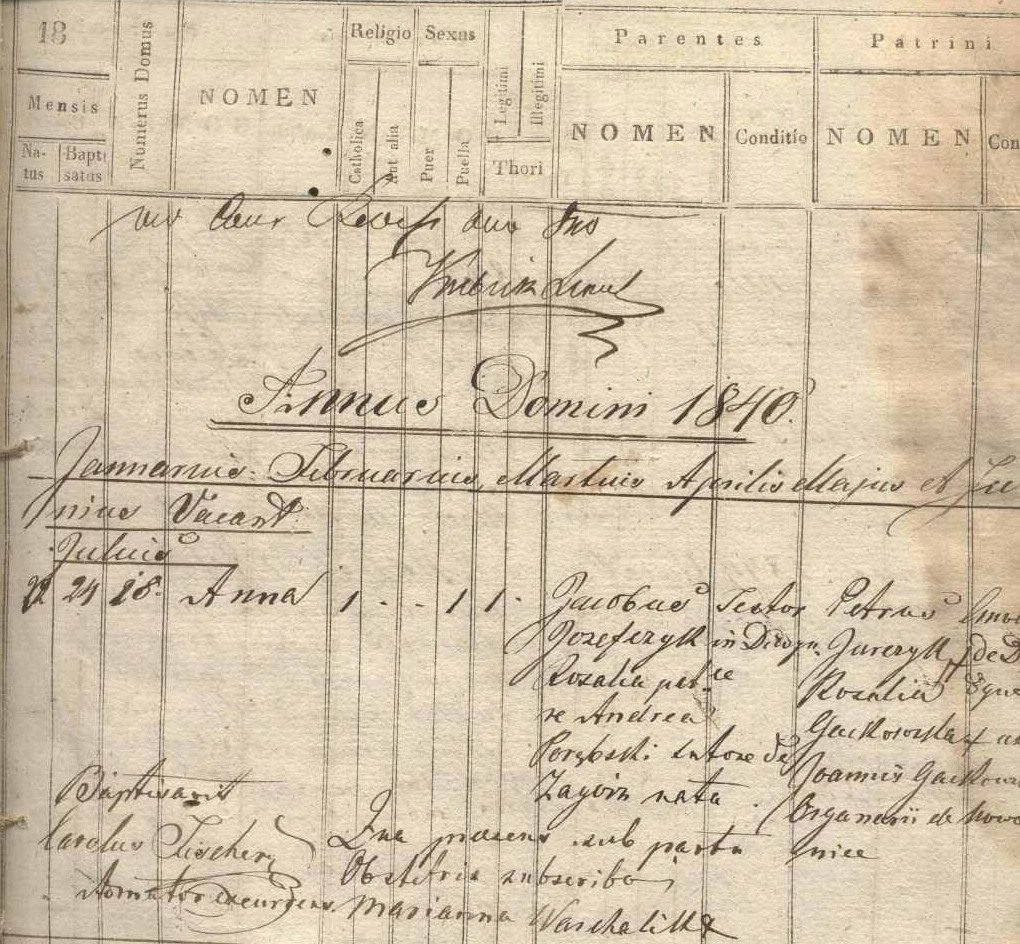
Once the locality is established, identify the relevant parish, religion, civil registration office, and period. Geneteka can help find indexed Polish entries. Our free Polish genealogy websites guide explains how the databases fit together. An index is a finding aid; confirm the family in the underlying register whenever available.
6. Protect living relatives and back up your family tree
Review who can see and edit your tree before adding living relatives. Avoid publishing their full birth dates, addresses, or personal documents without permission. Check attachments as well as profiles: a document about a deceased ancestor can still reveal information about living people.
Keep a second copy of your research in a separate location. Back up the tree, source images, interview notes, and research log. If your tool supports GEDCOM export, use it as a transfer copy and test the imported result before depending on it. Keep original media separately and retain a native backup where available.
7. Avoid common mistakes that make a free tree unreliable
- Copying an online tree without sources: investigate its relationships before adopting them.
- Accepting every hint: compare the proposed person with the family you already know.
- Skipping generations: establish the parent-child link before moving farther back.
- Hiding disagreements: record conflicting dates and explain why one interpretation is stronger.
- Confusing access limits with missing records: a restricted image, an unindexed register, and a lost document are different research problems.
Your first weekend of free family tree research
On the first day, interview one relative, photograph the documents they are willing to share, and enter the people you can identify. On the second day, find one record for a deceased grandparent or great-grandparent, save its source details, and write down the next question. Your useful result is a documented starting point, even if you cannot yet add another generation.
Frequently asked questions about building a family tree for free
Can I build my entire family tree for free?
You can create and maintain a tree without a paid subscription. How far the research goes depends on surviving records and access. Some certificates, archive copies, travel, and professional research cost money. Start with free sources and identify the exact missing record before deciding whether an expense is worthwhile.
What is the best free family tree website for beginners?
FamilySearch is an option for free online research and collaboration. An Ancestry free account can store your tree, with limits on record access. Gramps suits work on your own computer, and paper charts suit a small starting tree. Choose according to privacy, collaboration, and backup needs.
Can I make a family tree without an account?
Yes. Use a paper chart or desktop software such as Gramps. You can record relatives and sources without opening an online tree account. Some record websites still require registration to search or view their collections.
Do I need a DNA test to start a family tree?
No. Begin with interviews and documents. DNA can help answer some research questions, but it does not replace the records needed to explain a relationship. You can begin building a sourced tree without purchasing a test.
Can I research my Polish family tree for free?
You can use free indexes and digitized registers where the relevant collections are available. First establish the locality and period from US evidence, then check Polish coverage. Not every surviving register is online or indexed, and a same-name result needs verification.
Sources and research tools
- National Archives: charts and printable genealogy forms
- National Archives: online census resources
- FamilySearch: sharing information in Family Tree
- FamilySearch: historical record image restrictions
- Ancestry: free registered guest account features
- Gramps: free genealogy software and downloads
How we can help
If your free research stops at an uncertain Polish birthplace, an unreadable register, or records that are not online, PoloniaRoots offers paid research with defined scopes. Review the projects and prices, select the appropriate scope, and complete payment before submitting your family details through the order form. Bring the sources and research log you have already assembled.
Keep reading
Find your ancestral village in Poland