Kowalski Last Name: Meaning, Origin, and Family History
Polish Surnames · The Kowalski family name
Kowalski is a Polish last name associated with blacksmithing, but it can also come from a place name or an older personal name. If you inherited it in America, its meaning is a starting point. Finding your own family requires names, dates, and a documented connection to a particular town or parish.
What does the last name Kowalski mean?
The Polish word kowal means a smith. The Institute of Polish Language at the Polish Academy of Sciences lists several possible origins for Kowalski: the adjective associated with smithing, places such as Kowal, Kowale, or Kowalskie, and the personal name Kowal. These alternatives matter: the surname alone does not establish an ancestor’s occupation.
Think of a surname dictionary as an explanation of how a name could form. A family history answers a different question: which people used that name, where they lived, and how they were related. A convincing explanation of the word cannot substitute for a birth or marriage record.
Kowalski, Kowalska, and Kowalsky: what to search
The IJP PAN dictionary records Kowalska as a feminine form, also documents women using Kowalski, and notes Kowalsky outside Poland. Keep each spelling exactly as written in the source. A different ending is a search clue, not automatic evidence that you have found a different family.
- Search Kowalski first, with a known first name and approximate birth year.
- For a woman, try Kowalska as well as Kowalski. Search her maiden and married surnames separately.
- Try Kowalsky when the expected person does not appear. Confirm the result through family details.
- Use a broader stem such as Kowals* only where the database supports wildcards. Check that database’s search instructions.
Do not combine Kowalski, Kowalczyk, and Kowalewski into one family simply because the names resemble one another. Treat each recorded surname as a separate lead until documents connect the people. If a transcription looks wrong, open the original image before adding a new spelling to your search list.
Does Kowalski identify a village or a noble family?
A place-based origin is possible, but choosing a village from the surname reverses the research process. Start with the locality named in your ancestor’s documents, then test that locality against the family. A place with a similar name is not a substitute for a documented birthplace.
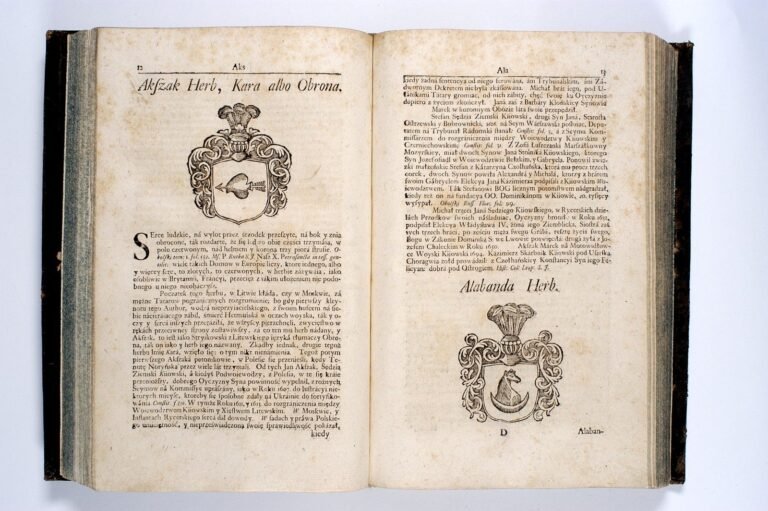
The ending -ski does not establish that your particular ancestor belonged to the nobility. A coat of arms displayed beside a surname on a commercial website is also insufficient. Follow the family through records before investigating a documented claim to noble status. Our guide to Polish coats of arms explains the evidence to look for.
How to find your Kowalski ancestors in US records
Begin with the latest generation you can document and work backward. For every person, record the full name, approximate birth year, spouse, children, addresses, and where each detail came from. Keep uncertain links separate from confirmed relationships.
1. Build a timeline before searching Poland
Gather family certificates, census entries, obituaries, and church records. List the dates and addresses in order. A move from one city to another can explain a missing record; an overlapping household in a different city can reveal that you are looking at two people. Search siblings when a parent’s record is difficult to locate.
2. Look for a birthplace more precise than Poland
Naturalization papers are a useful next step. The National Archives explains that records before September 27, 1906, often contain limited biographical information, while later standardized records may identify a birthplace and family members. Holdings depend on the court. Federal records may be at NARA; state and local court records may require a courthouse or state archive search.
Read the complete file when available, including the declaration and petition. Copy every place name without silently correcting it. Compare arrival details with the passenger manifest, and distinguish a birthplace from a last residence or a relative’s address. Our guide to reading naturalization petitions walks through those fields.
3. Compare relatives, not just the surname
A passenger traveling to a brother, a marriage witness with a familiar address, or a sibling’s record may help connect the American household to Poland. Ask whether the dates, relationships, and destinations fit together. A matching name with contradictory parents is a problem to resolve, even if an online tree presents the connection confidently.
A practical worksheet for separating people with the same name
Use this checklist for each candidate. It is a research worksheet, not a historical family example. Record both matches and contradictions, and keep the source image or reference beside every answer.
- Identity: full name, every recorded spelling, and approximate age.
- Family: spouse, children, parents, and the mother’s maiden name if known.
- Place: US address, stated birthplace, parish, and nearby towns.
- Migration: arrival date, ship, traveling companions, and destination contact.
- Conflicts: incompatible dates, different spouses, or unexplained changes in locality.
- Next step: the specific record that could confirm or reject the proposed connection.
Suppose two search results have the same name and a similar birth year. If only one fits the known spouse and address, prioritize that person for further investigation. Do not treat this as proof by itself: obtain the underlying records and explain remaining discrepancies before attaching a Polish family.
Moving from American records to a Polish parish
Once a locality emerges, establish which parish and civil registration office served it in the period you need. Search indexes as finding aids, then read the register entry. An index match is useful, but the image can reveal parents, witnesses, house numbers, or annotations omitted from the index.
Our Geneteka guide explains the index search. The Polish State Archives guide covers finding archival collections. Missing online results do not show that the family was absent: the relevant register may not be indexed, digitized, or available in that collection.
Frequently asked questions about Kowalski
Is Kowalski Polish?
It is a Polish surname with several possible linguistic origins. A name by itself does not establish a person’s birthplace, religion, citizenship, or relationship to another family.
Are all Kowalski families related?
A shared surname is not evidence of a shared ancestor. Establish each generation through records and investigate a connection only when the family details support it.
Was Kowalski automatically changed to Smith in America?
Do not translate a surname in your family tree without evidence that the person used the translated name. If you suspect a change, compare records before and after it. Read our guide to Americanized Polish names for a broader search strategy.
What should I find before hiring a researcher?
Gather the earliest confirmed ancestor’s records, known relatives, approximate dates, and any place-name clues. Identify what you want to learn, such as the immigrant’s birth parish or parents. A specific question makes it easier to choose a suitable research scope.
Sources and research tools
- Institute of Polish Language, Polish Academy of Sciences: Kowalski surname entry
- National Archives: naturalization records and where to find them
- National Archives: passenger arrival records
How we can help
If your Kowalski family trail stops at an American record that says only Poland, our Ancestral Village Identification research goal can investigate the missing locality. Review the project scopes and prices, choose the appropriate project, and complete payment before submitting your family details through the order form.