MyHeritage vs. Ancestry for Polish Family History and DNA
Family History Research · MyHeritage vs. Ancestry for Polish Family History and DNA
MyHeritage vs. Ancestry is a choice about the research you need to do: build a tree, locate documents, or investigate a DNA match. For a Polish American family, the useful platform is the one with the relevant records and relatives. Neither service replaces the work of identifying an ancestral town and checking the original register. This comparison helps you choose your next research step without assuming you need two new subscriptions or another DNA test.
MyHeritage vs Ancestry: the practical comparison
| Research question | What to compare |
|---|---|
| Can I document my American family? | Search the exact county, years, and record collections you need on both services. |
| Can I find relatives through DNA? | Check which platform already holds your results and which relevant relatives have tested there. |
| Can I examine shared DNA segments? | MyHeritage provides a chromosome browser; Ancestry shared-match tools answer a different question. |
| Will my current account unlock the tools? | Review current membership limits before paying. A test purchase and a record subscription are separate decisions. |
| Will this identify a village in Poland? | Only if the records or a documented match connection supply evidence for that particular place. |
There is no universal winner for every Polish American family. Make a list of three research questions before comparing offers. For example: find a great-grandfather in a Detroit census, identify his passenger arrival, and determine which branch a DNA match belongs to. The answers may call for different collections and tools.
Start with the records, not the size of the catalog
A platform can contain a large number of records while lacking the parish, county, or date range you need. Open the collection description and note the original institution, coverage, and whether the result includes an image or only an index. Search the same identified deceased person on each service before deciding that one has better coverage for your family.
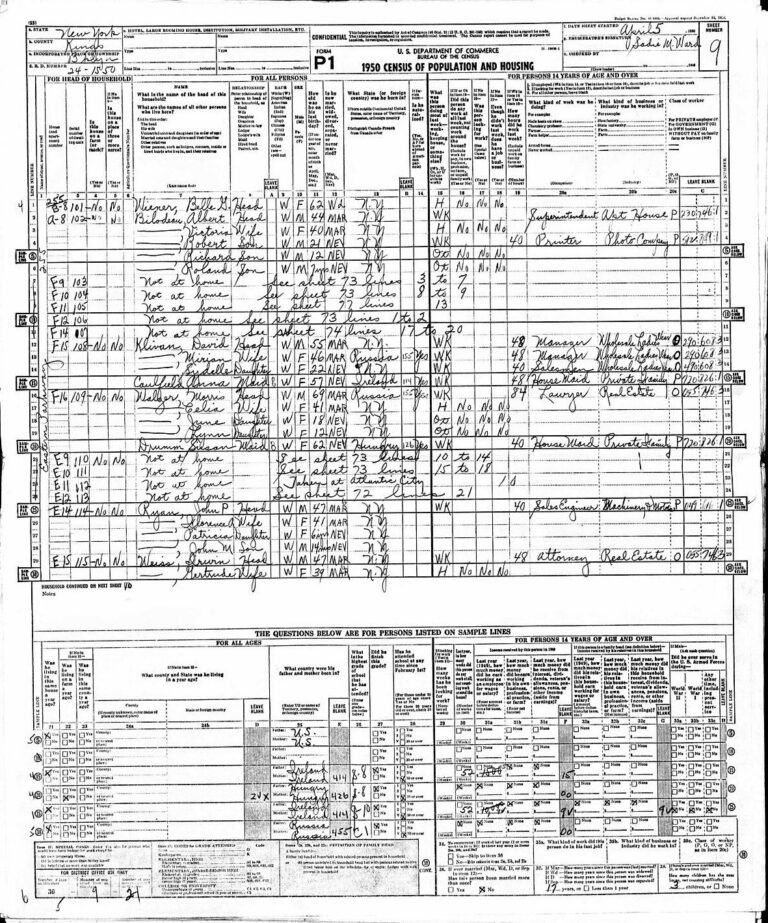
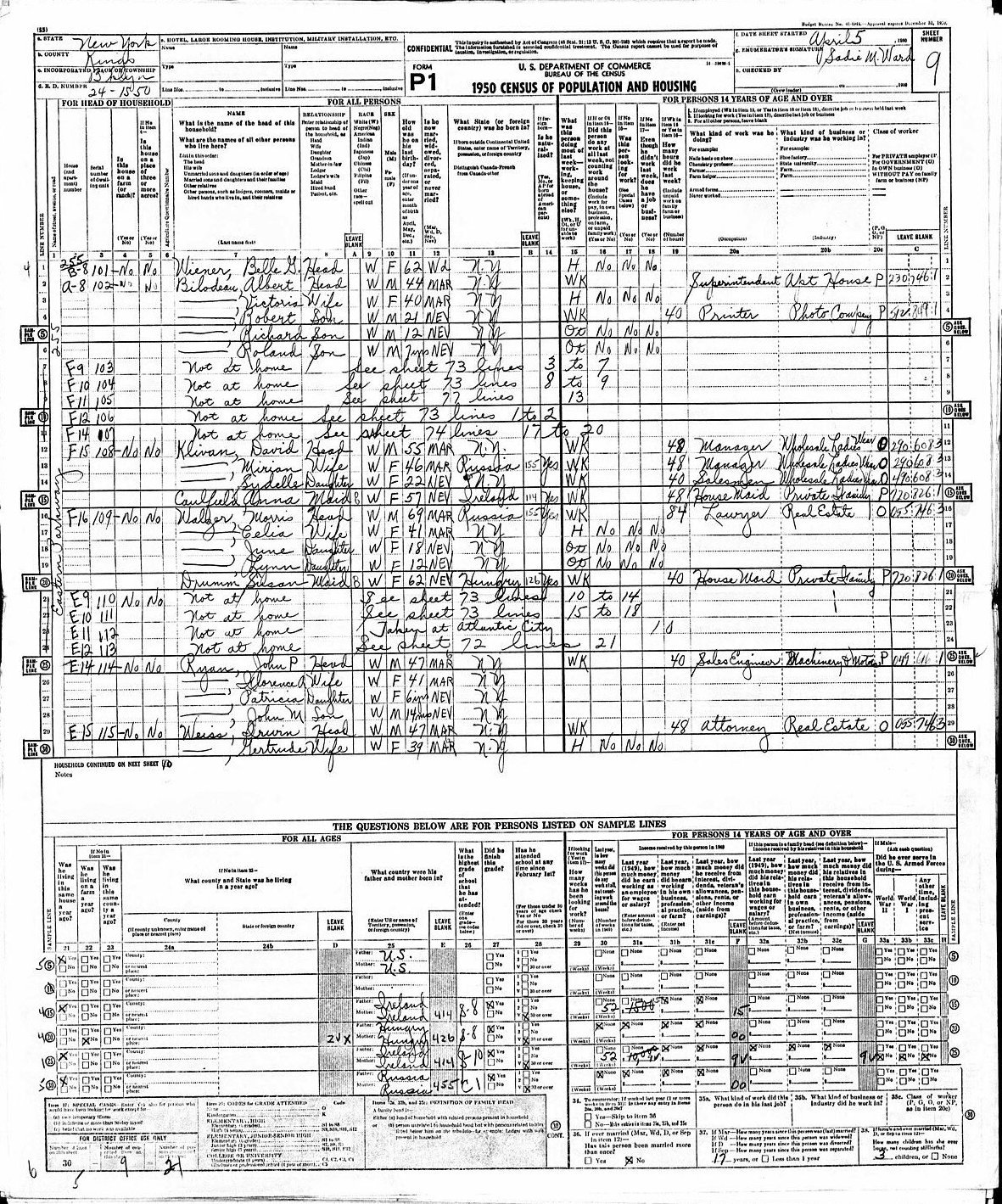
For a US branch, compare census households, naturalization papers, passenger lists, and vital records. An index entry is a route to a document, not a complete substitute for it. Save the source details and inspect the full page, including the column headings. A result found through a subscription may also have an access route through an archive or library.
Which service is better for Polish records?
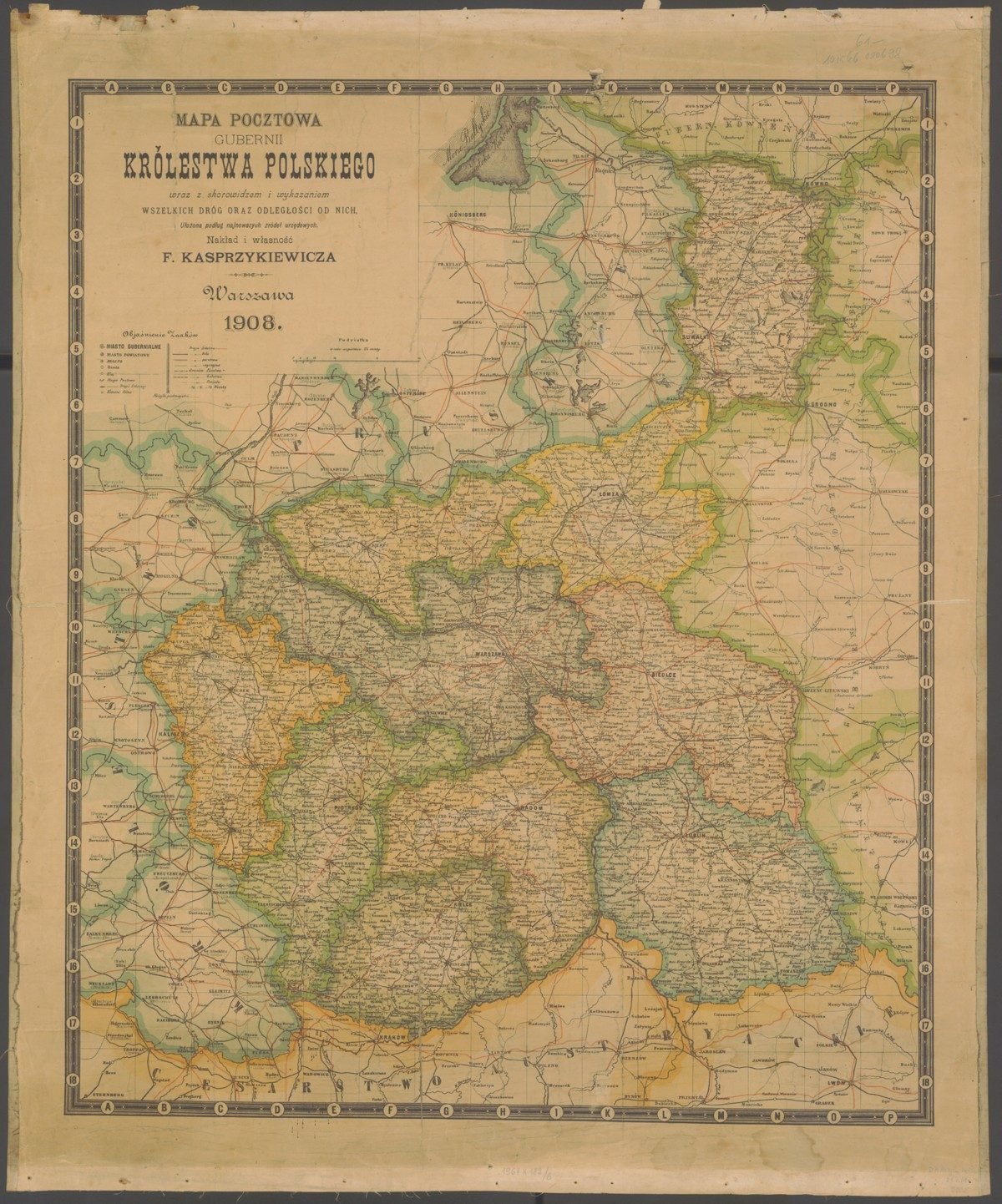
Begin with a documented locality. The label Poland in an American tree is not enough to select a Polish register. Historical birthplace descriptions can refer to Russia, Austria, or Germany, so keep the wording from the document while investigating the modern location. Use our guide to finding an ancestral village before attaching a same-name family overseas.
Check both commercial catalogs alongside Geneteka, Polish state archive catalogs, and other relevant repositories. Commercial search results, volunteer indexes, and archive scans can complement one another. A missing commercial result may mean an unindexed register, an access restriction, or a spelling mismatch. It does not establish that the record was destroyed.
AncestryDNA vs. MyHeritage DNA: matches before ethnicity
For a question about a particular ancestor, start with matches and their documented relationships. An ethnicity estimate describes a statistical comparison with reference populations; it does not name your great-grandparents. Two companies can display different estimates without supplying competing documentary proofs of a family line.
If your test is already on AncestryDNA, first assess the matches available there. If it is on MyHeritage, do the same on that platform. Useful questions include: which close relatives are identifiable, which matches have sourced trees, and whether a cluster points to a branch you have not documented. Another test is a separate decision, especially when a relevant relative is already represented in one database.
Shared matches and chromosome tools are different
A shared-match list tells you that another tester matches you and a selected relative. It does not by itself demonstrate that all three people share the same DNA segment from the same ancestor. MyHeritage offers a chromosome browser for comparing shared segments. Segment evidence still needs family-history context. See the provider explanation of chromosome browsers.
Ancestry offers match lists and relationship tools with account-dependent access. Its current membership information and shared-match help pages should be read together because access can change. Enhanced shared matches, which show relationships and DNA sharing between matches, require Pro Tools and an eligible family-history membership. Verify the tools actually included in your account rather than relying on an older tutorial.
Can you upload Ancestry DNA to MyHeritage?
As checked in October 2026, MyHeritage is not accepting new DNA uploads from other testing services. Its upload tutorial carries an August 2025 update stating this restriction, above older instructions that remain on the page. Do not purchase a subscription on the assumption that it will let you transfer a new Ancestry file. Check the current provider notice before making a testing decision. Previously uploaded results are a different situation from a new upload.
A Polish American research example
This example is fictional. A researcher knows that Helen lived in Buffalo and that her father was born in a place the family remembers as Russia. A tree hint suggests a village in present-day Poland. The next step is to establish Helen’s parents through American evidence, then compare naturalization and passenger records for a specific place. A DNA match with a similar surname is a lead to investigate, not permission to skip the missing parent-child link.
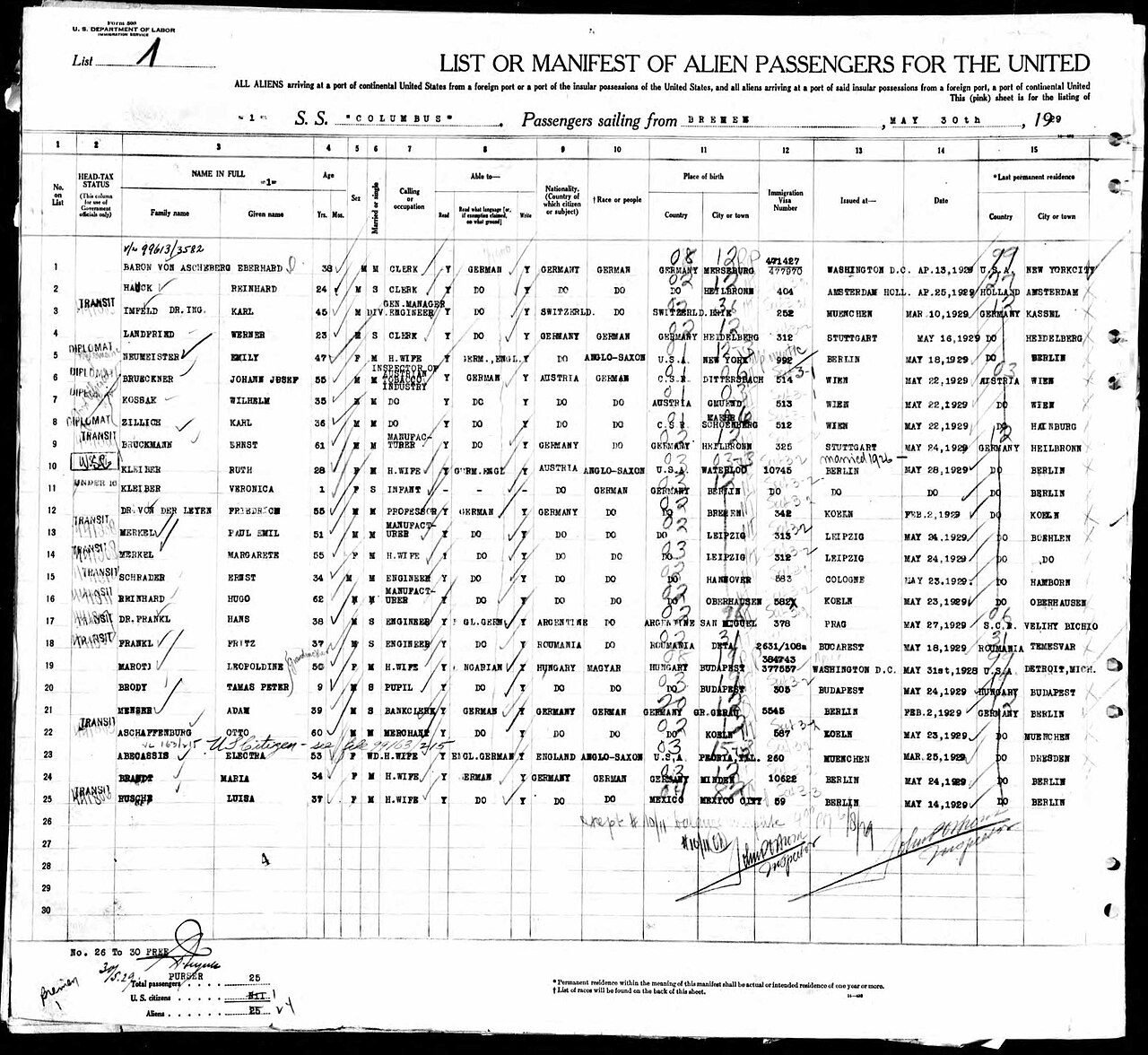
The researcher can now compare the platforms by a concrete task: which has the relevant arrival collection, can the original be opened, and does a match’s sourced tree connect to the same locality? Keep the documentary question separate from the DNA hypothesis. Record contradictory evidence instead of changing the tree until a hint fits.
Costs, privacy, and a useful decision checklist
- Separate the price of a DNA kit, record membership, advanced DNA tools, and professional research.
- Check renewal terms and the exact collection access before purchasing.
- Review living-person visibility, DNA matching consent, and collaboration permissions.
- Keep your own copies of permitted downloads and source notes.
- Do not share another person’s DNA results or private family information without their authorization.
For most research questions, start with the access you already have and the next missing source. A second platform becomes worthwhile when it supplies a relevant collection, match, or analytical tool that advances that question. PoloniaRoots is an independent research service; this guide does not imply a partnership with either testing company.
Frequently asked questions
Is MyHeritage better than Ancestry for Polish ancestry?
It depends on the family, collection, and tested relatives. Compare the exact locality and period, then check original documents and relevant matches. A country-wide claim is less useful than evidence that a platform can answer your current question.
Can a DNA ethnicity percentage prove a Polish ancestor?
No. It can be a clue, but identifying a particular ancestor requires relationships supported by records and, where relevant, DNA evidence. Country labels in an estimate do not establish a named person or village.
Do I need both services before ordering professional analysis?
No. Our defined DNA Match Analysis scope concerns one existing autosomal test on one supported platform. Review the service requirements first; extra testing or subscriptions are separate from that scope.
Sources and research tools
- Ancestry: DNA features and memberships
- Ancestry: shared matches and enhanced shared matches
- MyHeritage: chromosome browsers
- MyHeritage: current notice about DNA uploads
- National Archives: online census resources
How we can help
PoloniaRoots offers DNA Match Analysis for $2,750: one existing autosomal test on AncestryDNA or MyHeritage, one platform, and one defined family-history question. The work combines available matches, family trees, and documentary evidence in a written report. It does not include a new laboratory test, clinical interpretation, or a guaranteed identification. Review the scope and pay before submitting your research details. Use approved sharing permissions; do not send account passwords or raw DNA through a public form.