Polish Independence Day: November 11 and Your Family History
Polish Family History · Polish Independence Day
November 11 connects two histories that many Polish American families carry together: Poland’s return to independence and the American tradition of honoring veterans. For a family historian, the date also raises a practical question. Why might an ancestor remembered as Polish appear in an American document with a birthplace recorded as Russia, Austria, or Germany? Understanding the world before and after 1918 helps you investigate that difference without losing the family behind the label.
What does Poland celebrate on November 11?
Polish Independence Day commemorates the restoration of Poland’s independence in 1918, after 123 years of partition. On November 11, Józef Piłsudski received military command from the Regency Council. The Polish Ministry of Foreign Affairs explains the events surrounding that transfer of authority. The date marks a national turning point; rebuilding institutions and settling borders took longer than a single day.
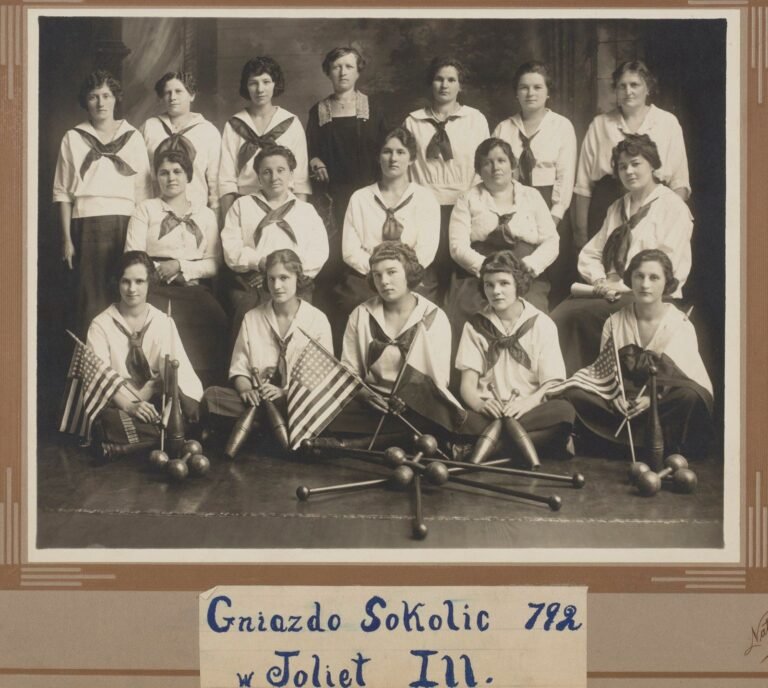
For a descendant in the United States, this anniversary can be a starting point for a family conversation. Ask what the family called its place of origin, which language grandparents used at home, and whether any documents survive from before or after 1918. Record each answer as a recollection to investigate. A holiday can inspire the search, while documents establish the details.
Why can a Polish ancestor be recorded as Russian or Austrian?
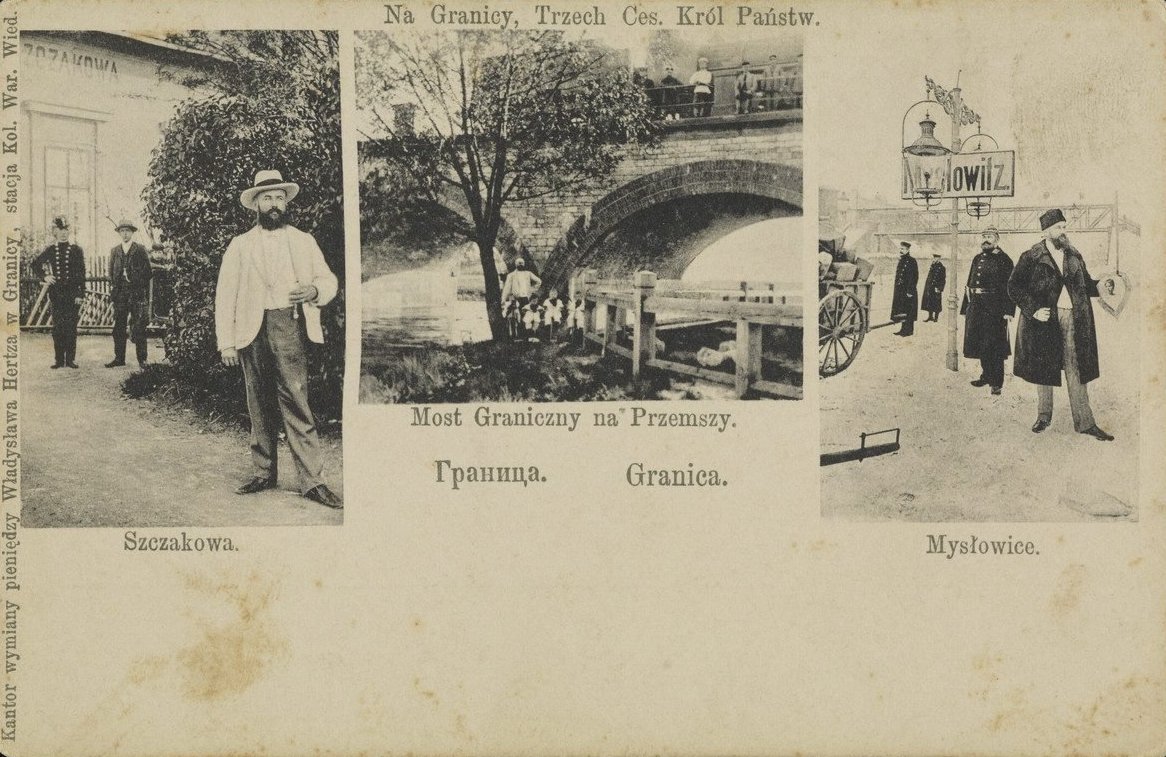
The partitions divided Polish lands among Russia, Prussia, and Austria; the final partition occurred in 1795. Prussia later became part of the German Empire. A country label in an American record therefore needs to be read alongside the record date and its questions. It should not automatically replace a family’s language, cultural identity, or specific birthplace in your research notes.
Keep three separate entries: the wording in the document, the locality you have identified, and your explanation of its historical jurisdiction. If a record says Austria, transcribe Austria. If another document names a town, investigate that town independently. Do not silently turn every Austrian birthplace into Poland, because the same broad label covered many different places and populations.
This distinction helps prevent an attractive but incorrect match. Two people can share a Polish surname, a similar age, and an imperial birthplace without being relatives. Compare spouses, children, addresses, occupations, and associated travelers before connecting the records. Our ancestral village guide explains how to work toward a specific locality.
Read a historical map with a particular question
A historical map can help explain a place name once you have evidence for the locality. Start with the spelling found in a passenger list, citizenship file, or family document. List alternative readings instead of forcing an unclear word to fit the first familiar town. Then compare the locality with nearby places, its parish, and the jurisdiction at the relevant date.
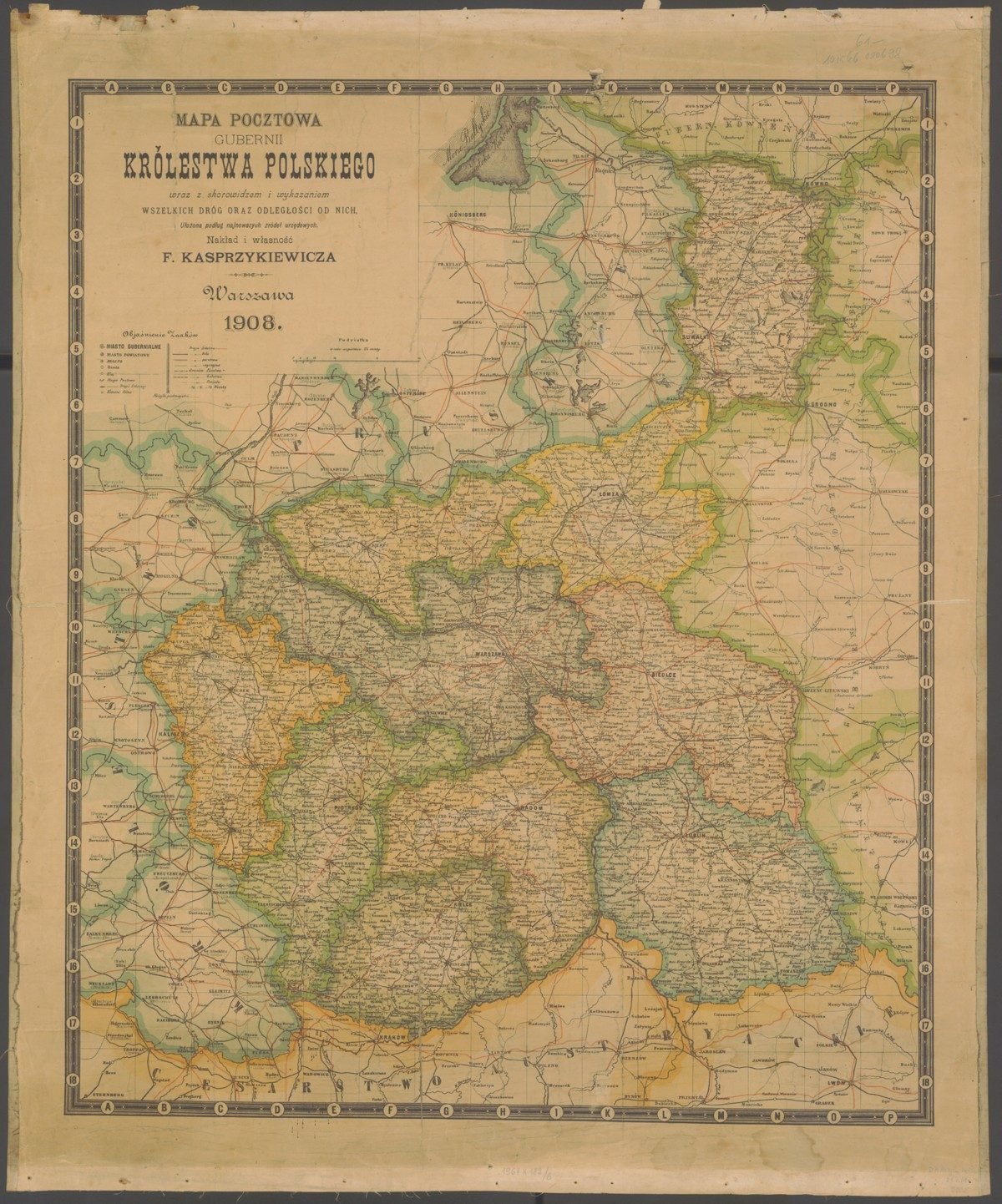
Avoid treating today’s map as the answer to every historical question. A town’s present country tells you where it is now; a dated record may reflect another jurisdiction. Keep the modern location and historical administration together in your notes. That makes the search understandable to relatives who recognize different names for the same place.
Compare the family before and after 1918
Build a short timeline with one row per document. Include the event date, document date, person, exact birthplace wording, reported language, and American residence. Keep these fields separate even when a database places them under a single heading. You can then see which statements agree and which need further evidence.
- Identify the household in a US census using relatives and residence.
- Compare the original birthplace entries across available census years.
- Seek an arrival record and naturalization file that fit the same person.
- Extract specific towns and relatives, keeping reported estimates visible.
- Use the locality evidence to select a Polish parish or civil registration search.
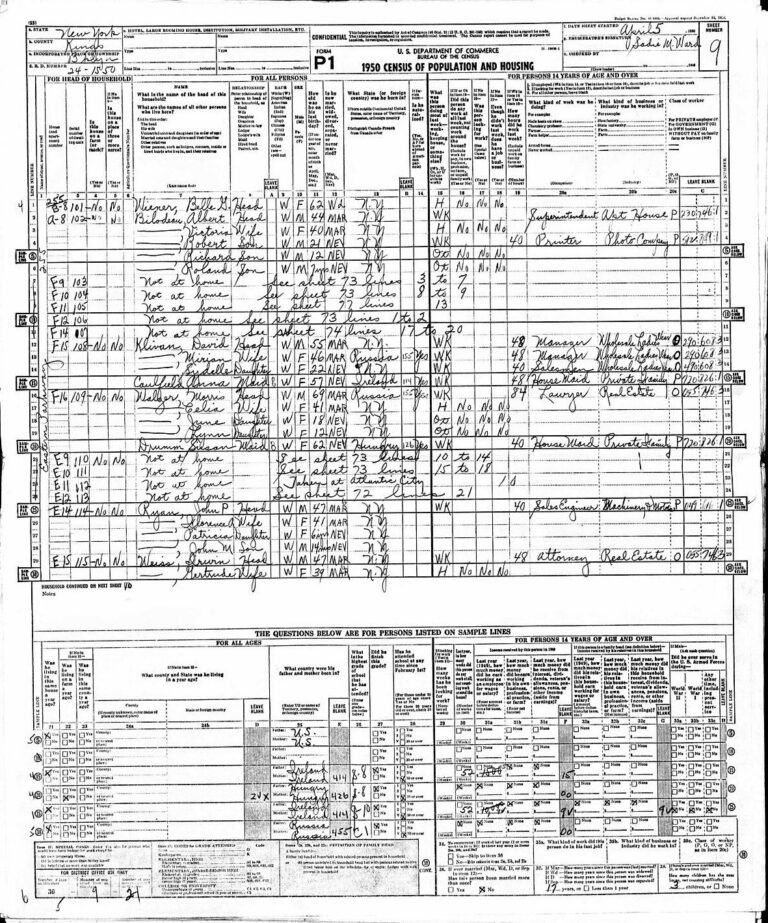
The census questions themselves can affect the answer. The National Archives 1930 census FAQ explains that birthplace was reported according to the country in which it was situated at enumeration. Read that instruction before interpreting a changed country label as proof that a household moved or that the index has found another person.
What can a document from independent Poland add?
A later passport or consular document may belong in a family timeline alongside older imperial records. Establish who the document concerns, when it was issued, and what it actually records. An official publication explaining passport procedures is useful historical context, but it is different from an individual ancestor’s passport.
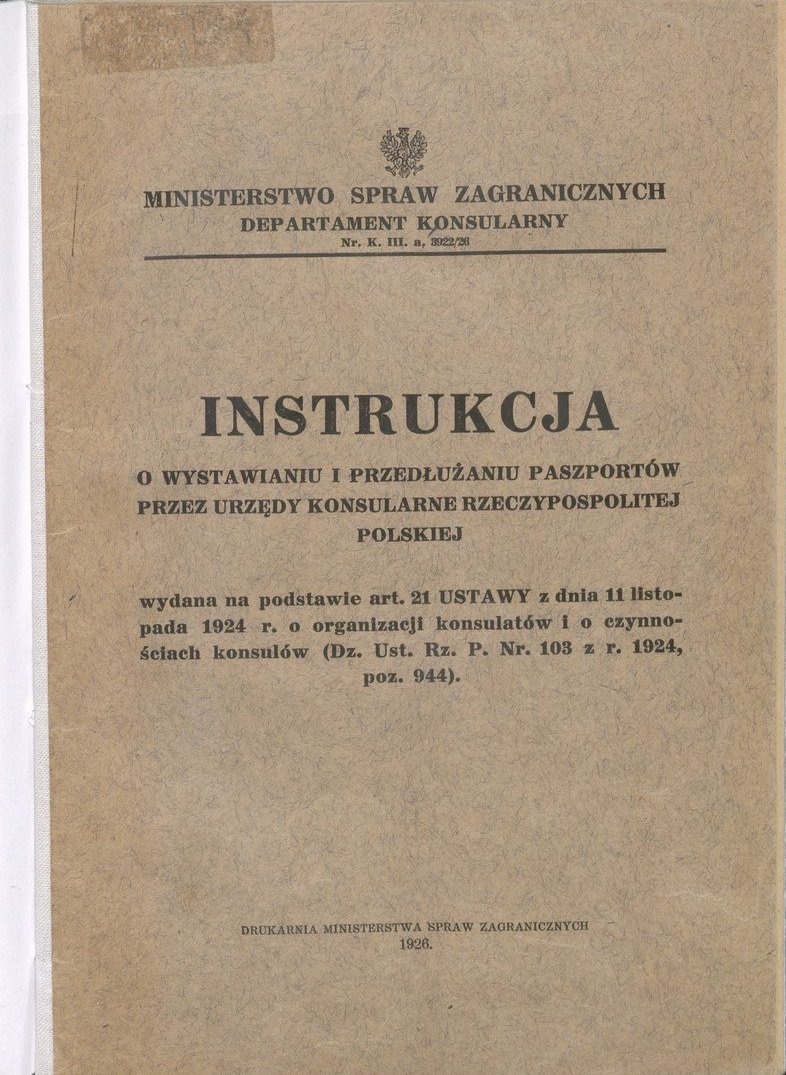
If your family holds a passport, copy every page with permission and preserve the original order. Note stamps, handwriting, photographs, and accompanying letters. Our Polish passports guide provides context for comparing documents from different periods. Keep questions about a modern citizenship application separate from the historical task of identifying a family and its hometown.
How does November 11 connect with Veterans Day?
In the United States, November 11 is Veterans Day. The Department of Veterans Affairs traces its origins to Armistice Day and the 1918 armistice with Germany; the name changed to Veterans Day in 1954. The American observance and Polish Independence Day share a date and a World War I setting, while commemorating distinct histories.
If a relative served, begin with their name, service branch, approximate service dates, and surviving papers. A family story about a uniform needs to be tested rather than assigned to an army from appearance alone. Our military service records guide distinguishes service evidence from a draft registration or a general family recollection.
A family project for November 11
Choose one immigrant ancestor and one unresolved birthplace. Put a family recollection, a US record, and a dated map side by side. Write a short explanation of what each source establishes and what remains uncertain. Share that explanation with relatives and invite corrections supported by another document. A careful page of family history can make the anniversary personal without inventing a story.
Questions about Polish Independence Day and ancestry
Did every Polish family become part of the same state in one day?
No. November 11 commemorates the restoration of independence. Do not use the anniversary alone to assign a specific town to a jurisdiction or determine an individual’s legal status.
Does a Russian birthplace rule out Polish ancestry?
No. Investigate the town, date, record instructions, and family identity. The country wording by itself does not establish either ethnicity or the correct ancestral village.
Sources and research tools
- Polish Ministry of Foreign Affairs: National Independence Day
- Statistics Poland: National Independence Day and reconstruction
- National Archives: 1930 census questions and instructions
- Department of Veterans Affairs: history of Veterans Day
How we can help
PoloniaRoots researches American and Polish documents to test family connections and identify the right ancestral locality. Review our research projects and prices, choose a scope, and complete payment before sending family details through the order form. Include your existing documents, source references, and unsuccessful searches. The outcome depends on surviving evidence; a particular discovery cannot be guaranteed.