US Records · Wisconsin Birth Records
Wisconsin birth research often begins with the pre-1907 vital-record indexes and the county where the event occurred. An index entry locates a record; the original register or full copy supplies the details needed to distinguish families and investigate immigrant parents.
Before and after October 1, 1907
Wisconsin Historical Society separates its historical ordering guidance at October 1, 1907. Establish the event date before choosing a request route. For an early entry, retain the county, volume, page and any certificate reference supplied by the index. Then ask the custodian for the underlying record and check its actual fields.
A birth register may combine many children on a ruled page. A later certificate can use a separate printed form. Neither an index nor an attractive commemorative copy automatically reproduces every original detail. Record the event date, registration date and any later certification date separately.
Where to obtain Wisconsin birth records now
Current alternatives to the Society ordering service
As checked October 5, 2026, Wisconsin Historical Society has paused its genealogy-record ordering service. Its official page lists alternatives for pre-October 1, 1907 copies: the Wisconsin Vital Records Office, the county Register of Deeds, the relevant Area Research Center, or microfilm in the Society Library reading room. Contact the chosen repository about availability, fees and the copy it can provide.
State and county requests
The Society notes that state and county offices can issue certified and uncertified copies, while Area Research Centers provide uncertified copies. Its guidance limits the VitalChek route to events on or after October 1, 1907. Use the state’s current application instructions for eligibility and legal-purpose requests; do not assume that an online ordering service covers the early record you need.
What to extract from an early birth record
- The child’s name as entered, including a blank given name.
- The birth place and date, kept separate from residence.
- The parents’ names and the mother’s maiden surname, where recorded.
- Any reported birthplaces, occupation or attendant.
- The register reference, reporting date and marginal annotations.
Compare the mother’s surname with the marriage record and the births of siblings. Write down uncertain letters instead of forcing the spelling to match a family tree. A country-level birthplace can suggest an immigration search, but it cannot select one parish in Poland without further evidence.
Milwaukee parish documents as a second route
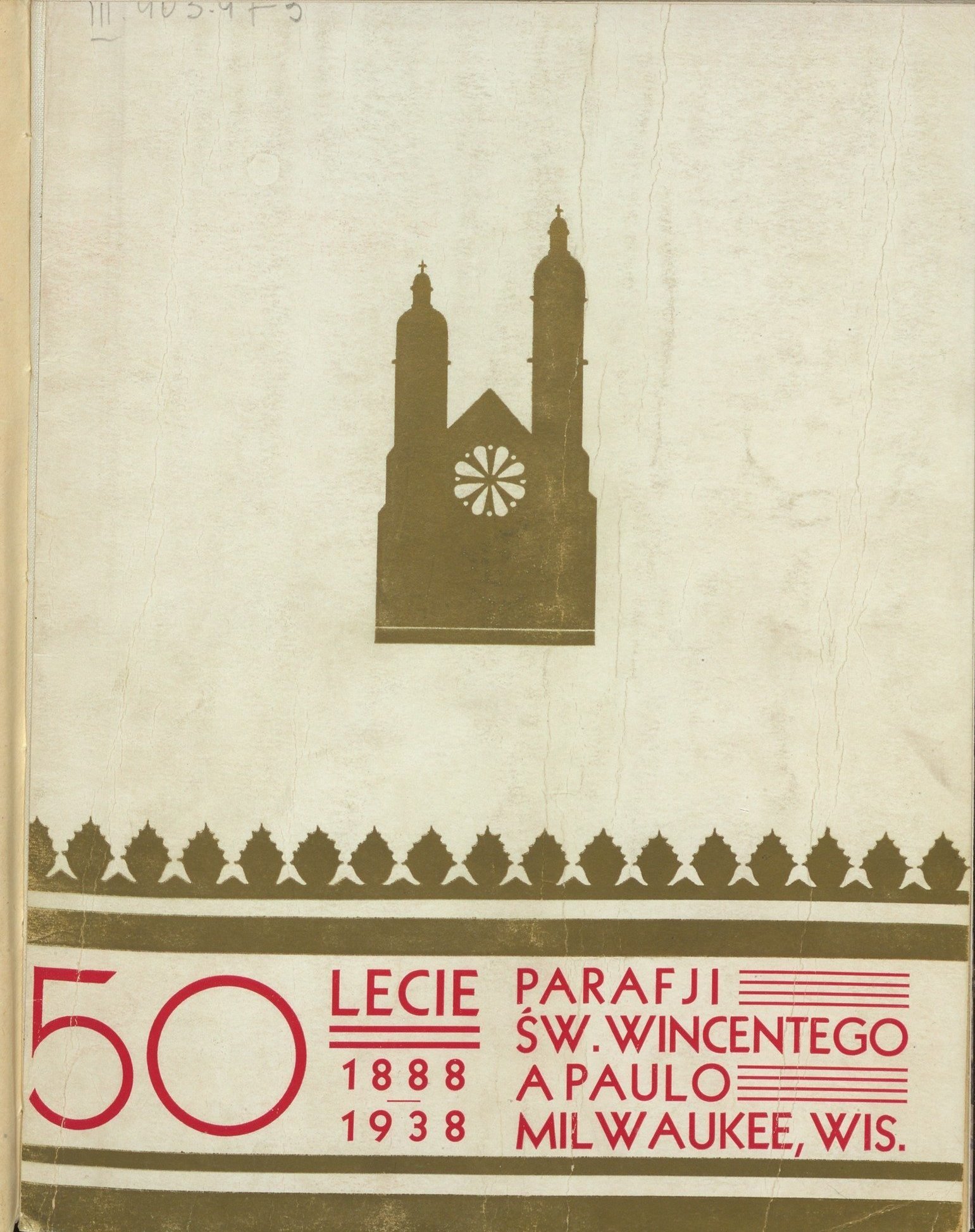
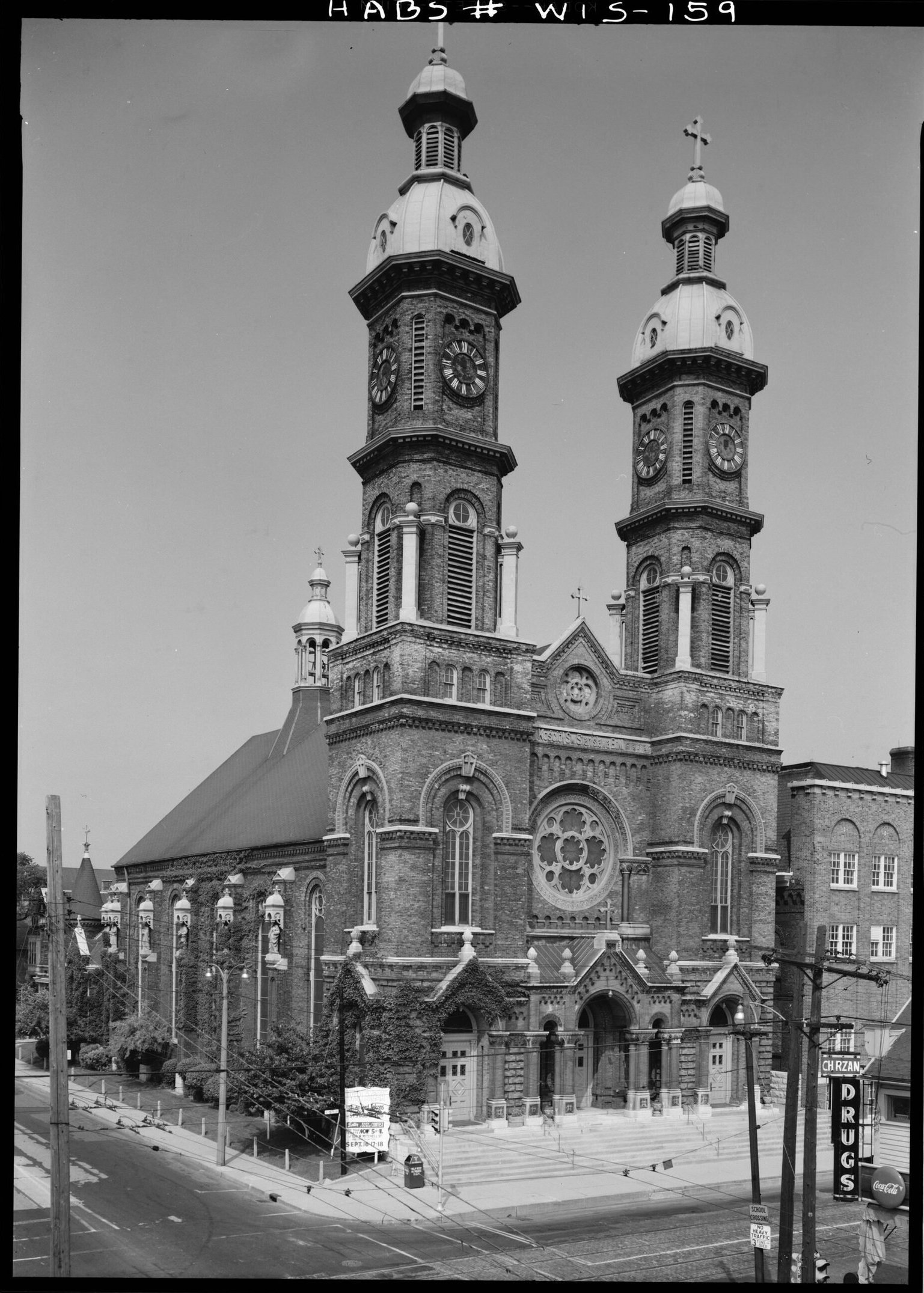
A parish anniversary book can establish the church’s name and historical setting. It does not prove that a particular child was baptized there. Use the family’s addresses, marriages and burial records to identify candidate parishes. Ask the present parish or archival custodian about surviving baptism registers and access conditions.
A search plan for an unsuccessful index lookup
- Check the event county and historical spelling of the locality.
- Expand the date range using independent age estimates.
- Search both parents and unnamed infants where the index permits.
- Ask the county or Area Research Center about unindexed registers.
- Investigate a parish baptism and any delayed registration.
- Keep each searched collection and its coverage in a research log.
A missing online result can reflect incomplete indexing, a different jurisdiction or an event not reported to the civil office. Explain that limit in your notes. The next useful source may be a church register or a sibling’s birth, rather than another transcription of the same index.
Sources and research tools
- Wisconsin Historical Society: current ordering alternatives
- Wisconsin Historical Society: family-history collections
- Wisconsin Vital Records
How we can help
We compare American documents with parish and civil records in Poland to identify the ancestral locality and establish family connections. See the research projects for scope and prices.