US Records · Fraternal insurance records
Many Polish immigrants bought their life insurance from a Polish fraternal society, not a commercial company. A surviving application or death claim can name the village of birth, the beneficiaries and the local lodge, so it is worth knowing which society your ancestor joined and where its files went.
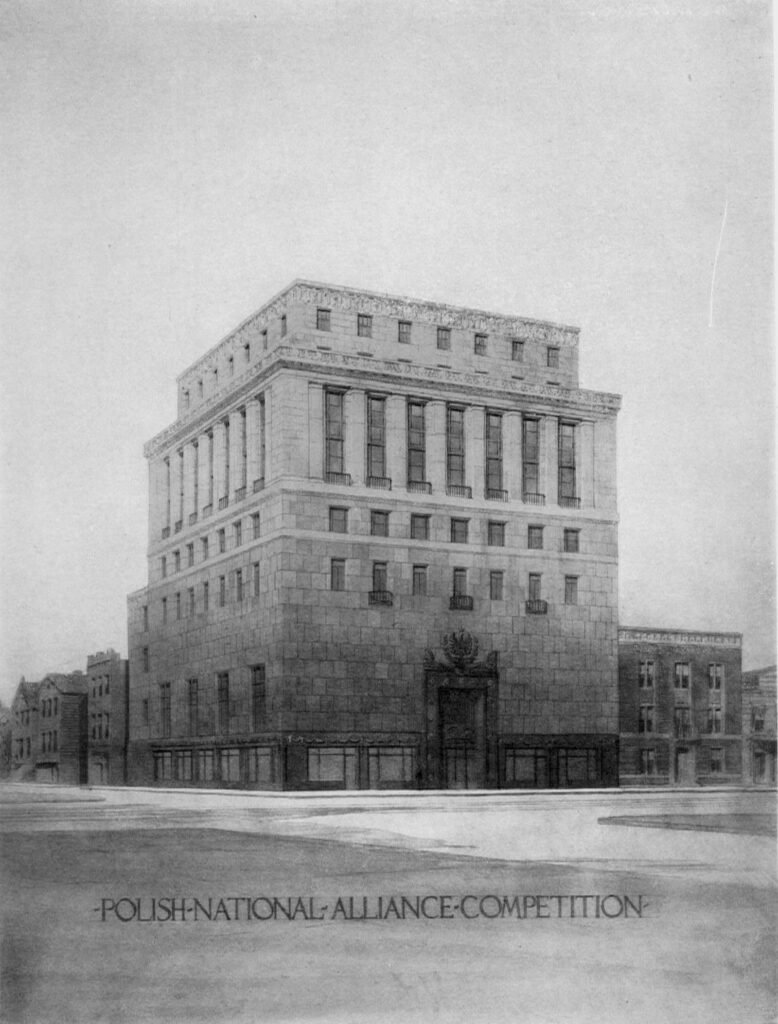
The main Polish-American fraternal societies
Each society sold insurance through numbered local units, called groups, councils, societies or nests. Several have merged since, and their files went to the successor or to an archive.
| Society | Founded | Today |
|---|---|---|
| Polish Roman Catholic Union of America (PRCUA) | October 3, 1873, Detroit | Chicago, 984 N. Milwaukee Ave., in the building it put up in 1913; still active |
| Polish National Alliance (PNA) | February 15, 1880, Philadelphia | Chicago, 6100 N. Cicero Ave.; still active |
| Polish Falcons of America | 1887, Chicago (first nest) | Pittsburgh since 1912; still active |
| Polish Union of the USA | August 27, 1890, St. Paul, Minnesota | Based in Wilkes-Barre, Pennsylvania, from 1906; merged into FCSLA Life on June 1, 2017 |
| Polish Women’s Alliance of America | May 22, 1898, Chicago | Later based in Park Ridge, Illinois; merged into FCSLA Life in 2017 |
| Polish Beneficial Association | December 1899, Philadelphia | Records from 1899 to 1975 are at the Historical Society of Pennsylvania |
| Association of the Sons of Poland | 1903, Jersey City, New Jersey | Last based in Carlstadt, New Jersey; merged with the Royal Arcanum |
| Polish National Union of America (Spójnia) | 1908, Scranton, Pennsylvania | Signed an agreement on June 15, 2023, to merge into the PNA as one of its divisions |
What a claim file can contain
- The insurance application, which may give the place of birth in Poland and the size of the family
- Beneficiary details, including addresses of beneficiaries who did not live with the member
- A copy of the death certificate, filed with the claim
- Ledgers and minute books kept by the local lodge, showing when a member joined, paid and died
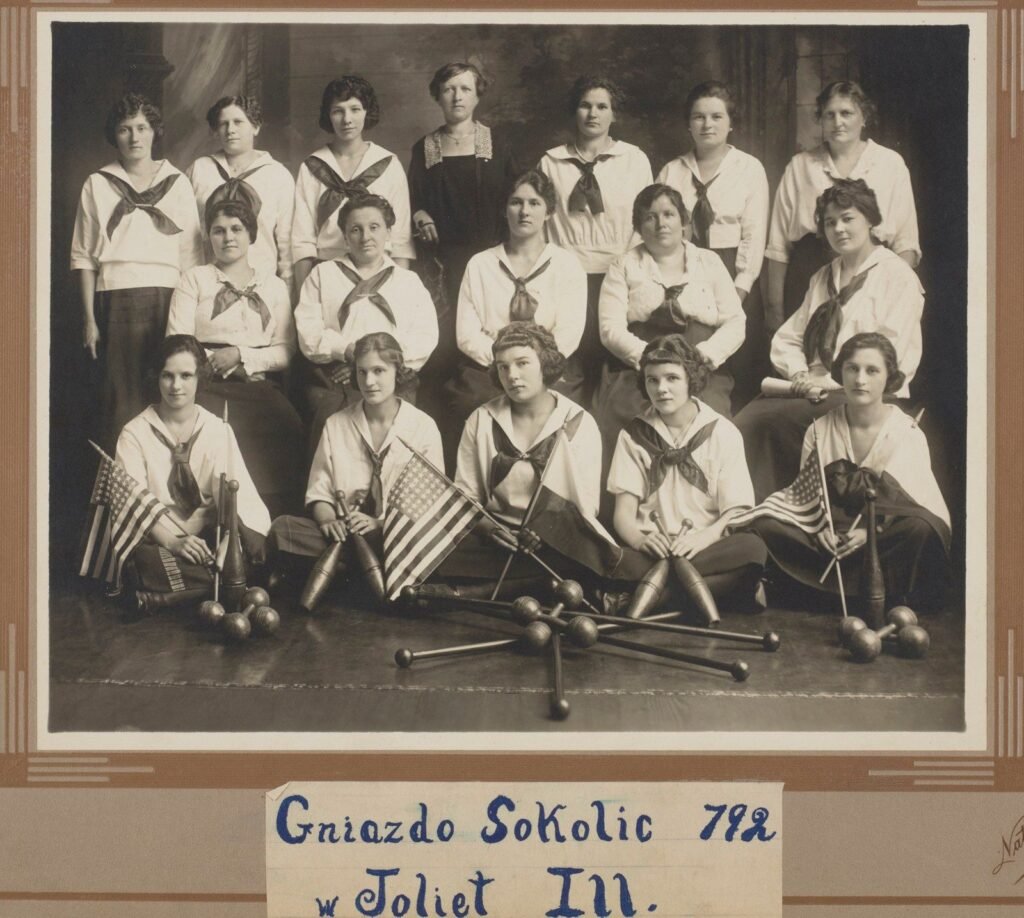
Where the records are today
PRCUA. The Polish Genealogical Society of America (PGSA) has put a surname index to PRCUA insurance claim files online, with 61,017 entries; its database list gives the years as 1908 to 1947. Claims before about 1912 are only ledger entries. Later claims usually include a death certificate, and members who joined after 1912 often have their application in the packet. Policies numbered 50200 and above are not accessible and some periods were lost to water damage, so check PGSA’s missing-periods list before sending the order form.
Polish Museum of America. Founded by the PRCUA in 1935 and housed in its Chicago building, the museum’s archives hold records of fraternal organizations active mostly in Illinois, including the PRCUA, the PNA and the Polish Women’s Alliance. Contact the archives in advance.
Polish Women’s Alliance. The organization’s records from 1900 to 2006, including minutes and member information ledgers, are at the Women and Leadership Archives of Loyola University Chicago.
Pennsylvania collections. The Historical Society of Pennsylvania holds the Polish Beneficial Association’s volumes of assessments and death payments to beneficiaries, national office records of the Polish Union and records of several Philadelphia PNA units. The University of Pittsburgh’s Archives & Special Collections holds western Pennsylvania lodge records, among them PNA Group 841 (1907 to 1979) with membership insurance ledgers, and Polish Falcons national office minutes from 1913 to 1980.
PNA. The PNA does not advertise a genealogy service on its website. For a member’s central file, write to the home office in Chicago with the full name, dates, group number and policy number if you have it, and do not count on an answer.
Society newspapers
Every large society mailed its own paper to members. Even when the claim file is lost, a lodge report or death announcement can confirm the society and the lodge.
| Paper | Society | Notes |
|---|---|---|
| Zgoda | PNA | From November 23, 1881; printed in New York, then Milwaukee, and in Chicago from 1888; today a quarterly magazine |
| Naród Polski | PRCUA | Chicago, from January 1, 1897; now monthly in Polish and English |
| Głos Polek | Polish Women’s Alliance | From 1902; Loyola University Chicago has digitized the run and made it searchable online |
| Sokół Polski | Polish Falcons | From August 1, 1909; published in Pittsburgh from 1913 |
Most of these papers are not indexed by name, so read the issues from the first weeks after the death and use the Polish spelling; see our tips on searching Polish names in newspaper OCR. The 1988 Guide to Polish American Newspapers and Periodicals in Microform, from the Immigration History Research Center at the University of Minnesota, lists which libraries hold film of each title.
How to search, step by step
- Look for the society’s name, initials or emblem on the gravestone, obituary, prayer card, membership certificate or funeral home record, and write down the lodge number and city
- Find the society in the table above and note whether it still exists or which organization took it over
- Search PGSA’s PRCUA claim index, and its Polish White Eagle Association claim indexes if you are a PGSA member
- Check the archives that hold the society’s or the lodge’s records: the Polish Museum of America, Loyola University Chicago, the Historical Society of Pennsylvania or the University of Pittsburgh
- Read the society newspaper around the date of death for a lodge report or death announcement
- Write a short request with the member’s full name in Polish and English spelling, dates of birth and death, lodge number and any policy number, and ask for the application and the death claim
Example: an invented family
This example is invented to show the method. Józef Nowicki dies in Chicago on February 11, 1924, and his death certificate gives only “Poland” as his birthplace. The funeral home ledger shows part of the bill paid with a PRCUA benefit. PGSA’s index lists three men of that name, but only one society number belongs to his parish. The claim is outside the missing periods, so the family orders a copy. The packet holds his 1915 application, naming a village in the Tarnów district and his wife as beneficiary: the lead needed for the Polish parish records.
Copy the society or lodge number exactly as it appears. Members with the same name are common, and the number is often the only way to tell which file belongs to your ancestor.
Sources and research tools
- Polish Genealogical Society of America: PRCUA insurance claim file index
- Loyola University Chicago, Women and Leadership Archives: digital collections
- FCSLA Life: Polish Union of the USA archives
How we can help
We identify the organization and lodge, locate surviving membership or benefit material and connect beneficiaries to American and Polish records.