US Records · AR-2 registration
The Alien Registration Act of 1940 required most noncitizens living in the United States to register and be fingerprinted. For a Polish immigrant who never became a citizen, the resulting AR-2 form may be the most detailed American document created after the passenger list.
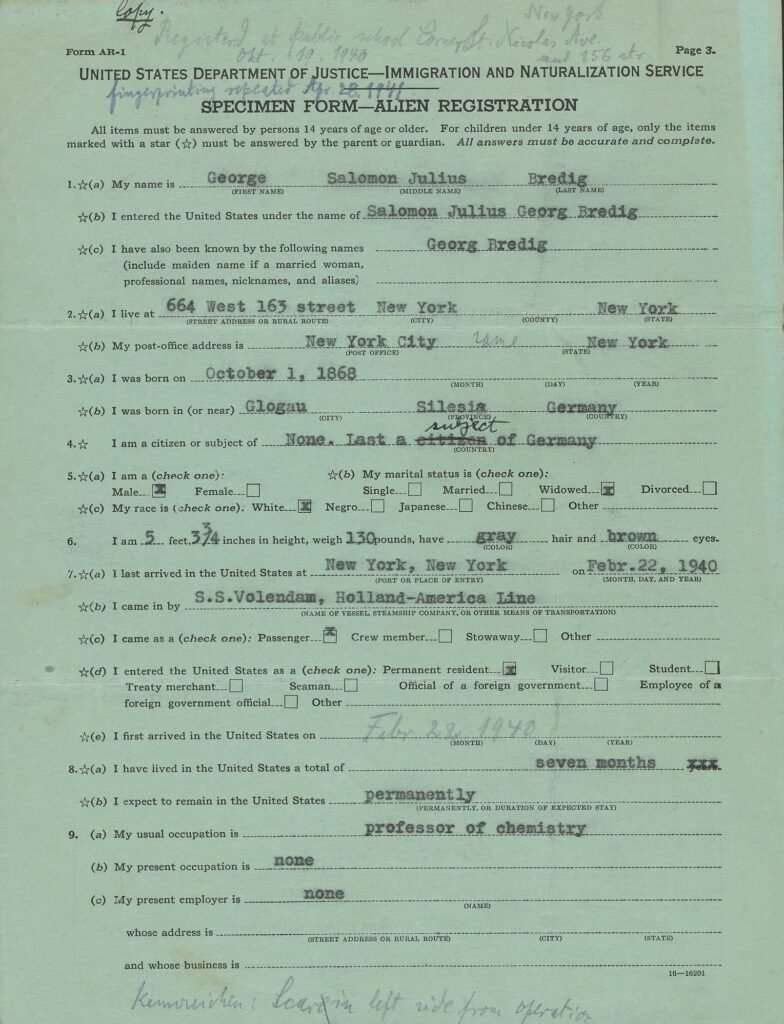
Who completed an AR-2 form
The program registered noncitizens between August 1940 and March 1944. It included long-term residents who had arrived decades earlier, recent immigrants and some people who were unsure whether they had acquired citizenship through a parent or spouse. Children under fourteen did not register in person: a parent or guardian was responsible for them, and not every child has a form of their own.
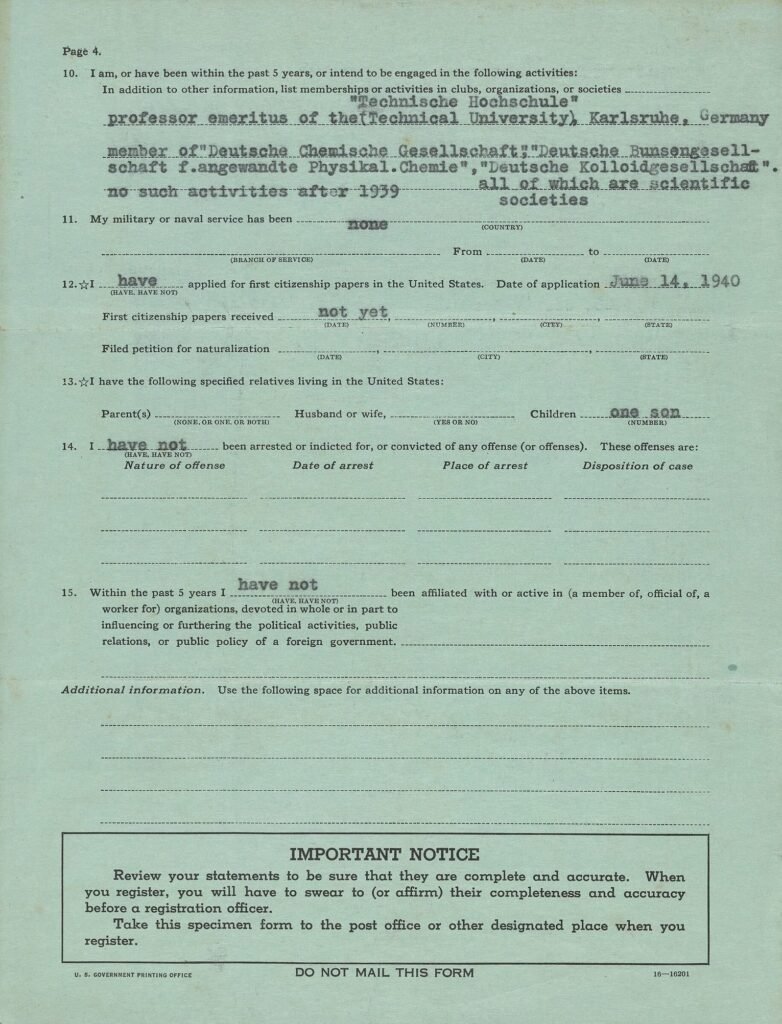
What the form can reveal
- Name used on arrival and any other names used
- Date and place of birth, citizenship and marital status
- Port, ship and date of the most recent arrival
- First arrival in the United States and years of residence
- Employer, occupation, address and organization memberships
- Naturalization declarations or petitions already filed
- Signature, physical description and fingerprint
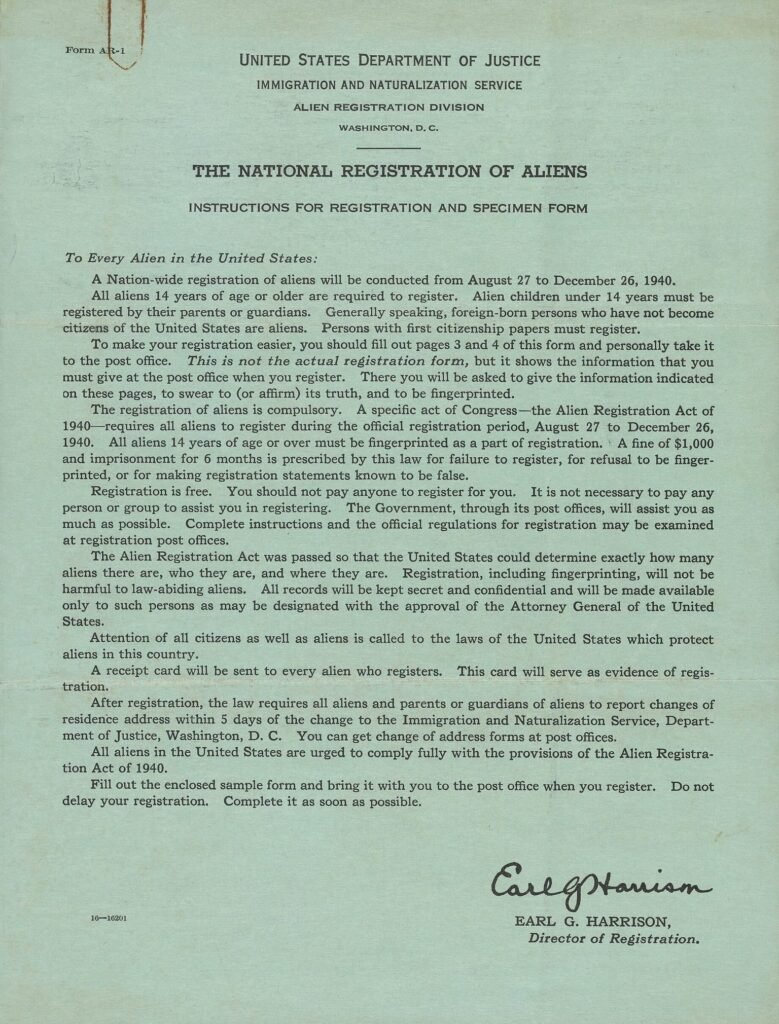
Find the A-number first
NARA recommends searching the Flexoline Index in Access to Archival Databases before requesting the image. The index can supply the A-number, year of birth, country of birth and residence at registration. Search spelling variants and shortened first names because the index reflects the form as it was typed.
How to request the record
- Search the Flexoline Index for the registrant and note the A-number
- Collect the full name, alternate spellings, birthplace, estimated birth year and 1940 residence
- Follow NARA’s AR-2 request instructions for records in its custody
- Provide proof of death when the person was born fewer than 100 years ago
- Compare the returned form with the census, passenger list and naturalization papers
AR-2, A-file and USCIS are not the same
The AR-2 is one registration form. An A-file is a later individual case file that may contain an original AR-2, correspondence and other immigration documents. Some files are at NARA and others remain with USCIS. The A-number helps determine the correct repository, but the date and number range must still be checked.
Do not assume the nationality on the form proves ethnicity. A person born in the Polish lands could report German, Austrian, Russian or Polish citizenship depending on the date and legal status.
AR-2 form: quick answers
What is an AR-2 form?
The AR-2 is the Alien Registration Form completed under the Alien Registration Act of 1940. According to the National Archives, more than 5.6 million noncitizens registered between August 1, 1940, and March 31, 1944. Registrations after that date were filed in Alien Files (A-files) instead.
Where do I request an AR-2 form today?
From the National Archives. USCIS stopped processing AR-2 requests received on or after May 17, 2024, because the records are available through NARA. NARA’s AR-2 page explains what to send, and copies are normally delivered as PDF files unless you need a certified copy. NARA lists its current fees on the same page.
Do I need proof of death?
Only for a person born fewer than 100 years ago. Then the request goes under the Freedom of Information Act with proof of death, such as an obituary or death certificate showing the name, birth date and date of death. Records of people born more than 100 years ago have no access restrictions.
Why can’t I find my ancestor in the Flexoline Index?
The Flexoline Index data file in Access to Archival Databases covers only people born in 1923 or earlier. Search spelling variants, and remember that some A-numbers lead to an A-file rather than a separate AR-2 form.
Sources and research tools
How we can help
Immigration & Passenger Records identifies the correct federal file, orders the available record and compares every name, date and place with the rest of the family’s American evidence.