US Records · CCC enrollee records
The Civilian Conservation Corps employed and trained young men on conservation projects during the 1930s and early 1940s. For a son of Polish immigrants, an enrollee file can connect the Depression-era household to work, health and camp records.
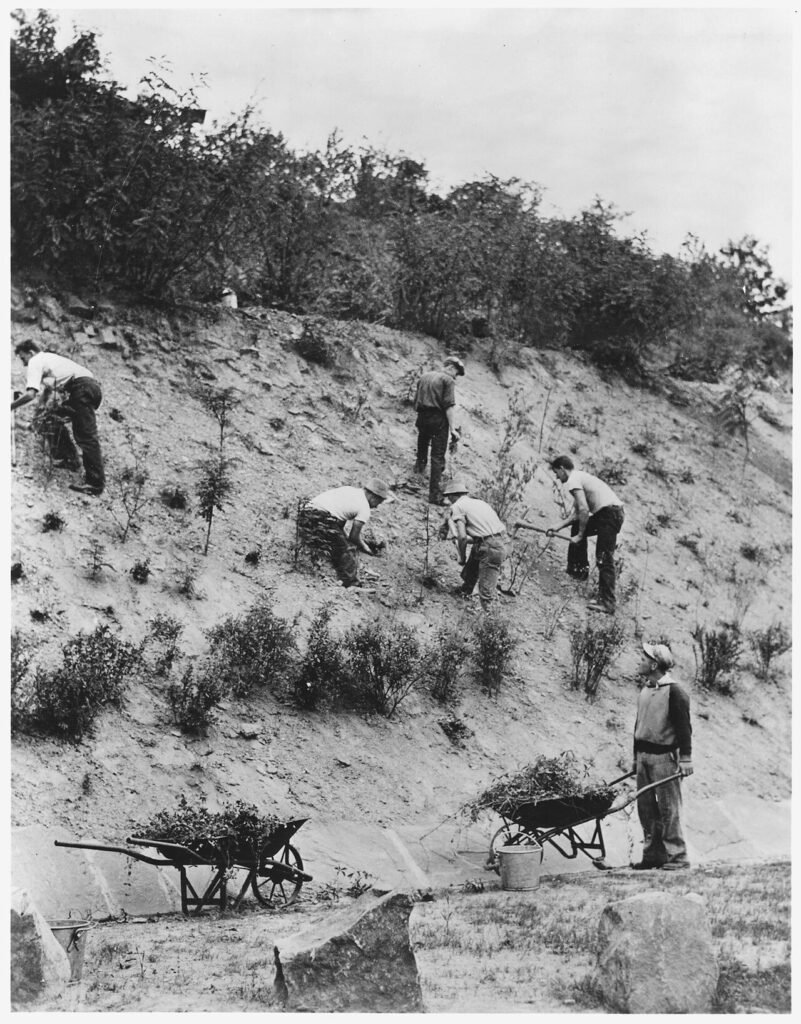
What the CCC was
The program provided employment and vocational training on conservation and natural-resource projects and later supported defense work on military reservations. It was a civilian federal program, not a branch of the armed forces, although veterans and other groups also participated.
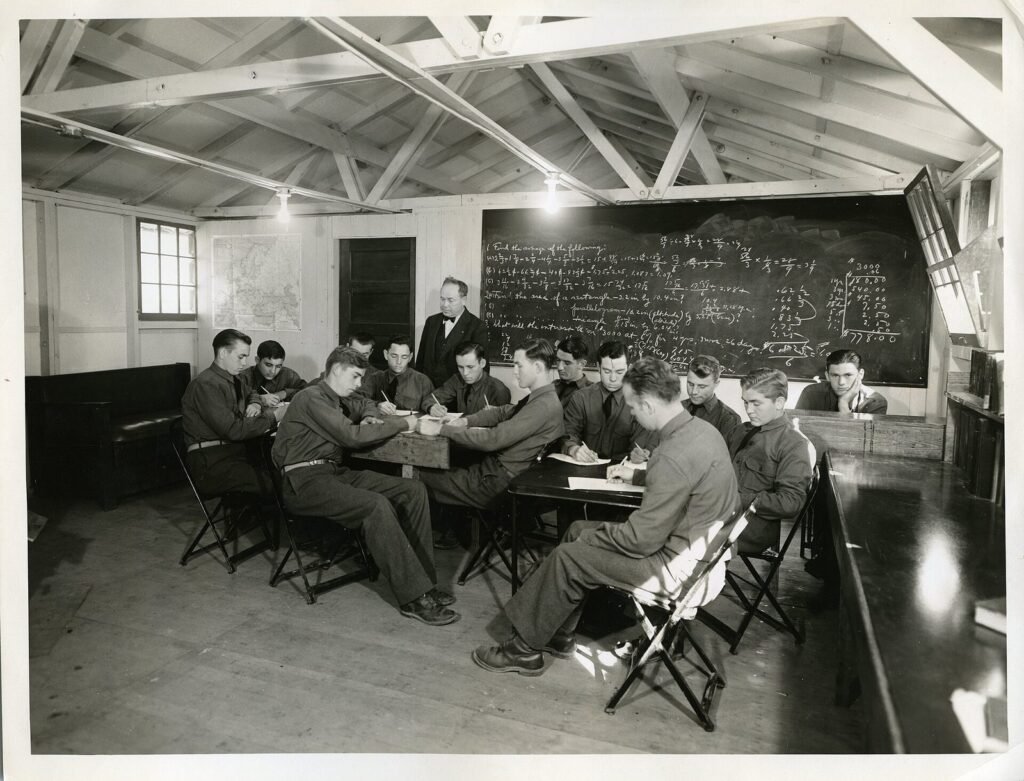
What an enrollee file may show
- Full name, date and place of birth
- Home address and emergency contact
- Parents or dependents
- Education, occupation and prior employment
- Enrollment, camp assignments and discharge
- Physical examination or administrative correspondence
- Allotments sent home, where present
Search the NARA Catalog first
NARA has digitized a selection of the enrollee files and added the images to its catalog; the rest must be requested from the National Archives at St. Louis. Check surrounding entries because one person can have more than one file. Medical and clinical records were created separately and are not necessarily attached to the enrollee packet.
If no digitized file appears
Follow the current NARA instructions for an additional search and provide the complete identifying information. A negative catalog search may mean the file is not yet online, is filed differently or belongs to another agency series connected with CCC work.
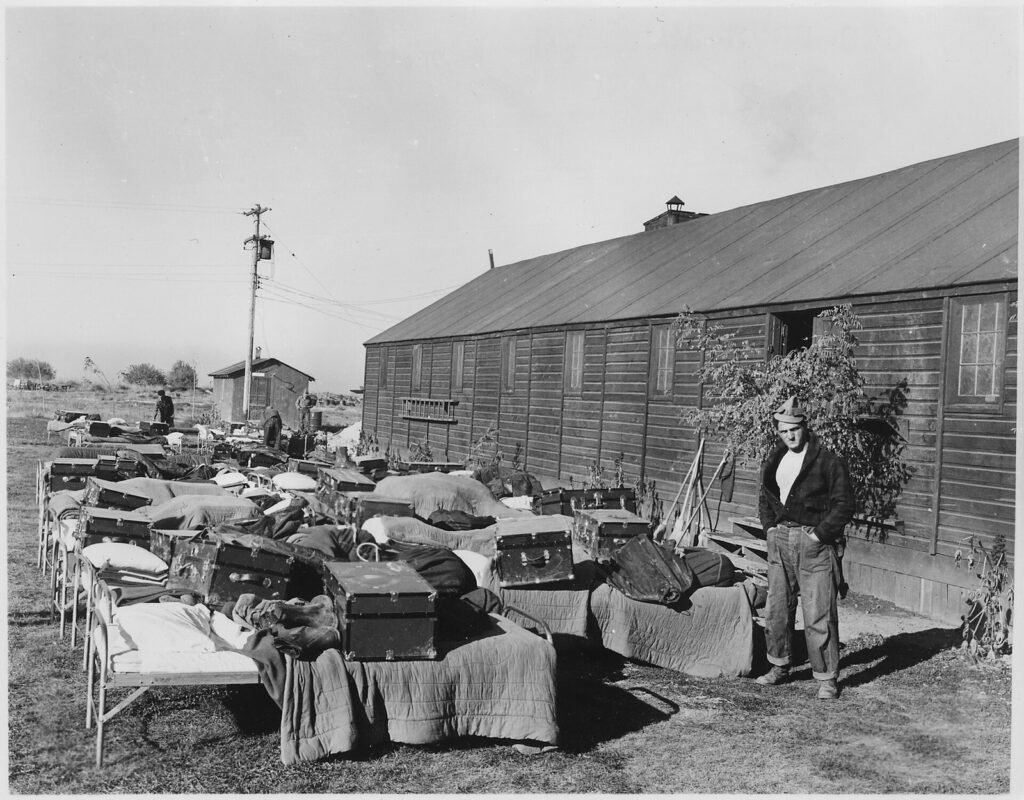
Place the enrollee in the family
Compare the home address and emergency contact with the 1930 and 1940 censuses, city directories, Social Security application and later draft registration. The person receiving an allotment may identify the household supporting younger siblings.
CCC service is civilian service. Do not describe an enrollee as a military veteran unless a separate military record supports that conclusion.
Sources and research tools
How we can help
We locate the enrollee file, identify separate medical or agency records where appropriate and connect the camp history to the family household.