US Records · Naturalization witnesses
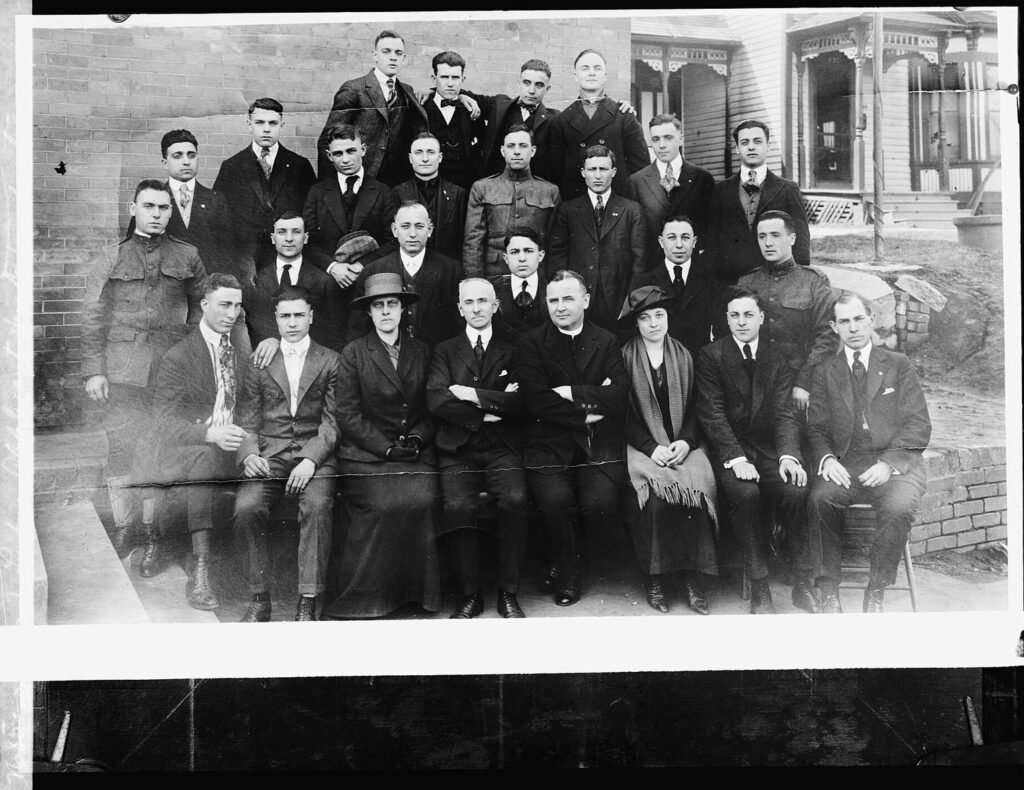
The two witnesses on a naturalization petition were not decorative names. They vouched that the applicant had lived in the United States and met the character requirement. Their addresses, occupations and relationships can expose the immigrant’s closest American network.
Why the witnesses matter
A witness might be a brother-in-law whose surname is unfamiliar, a neighbor from the same Polish parish, a foreman from the same factory or a lodge officer. When the applicant’s birthplace is vague, researching the witnesses can reveal a passenger list, obituary or church record that names the shared village.
Which naturalization document names them
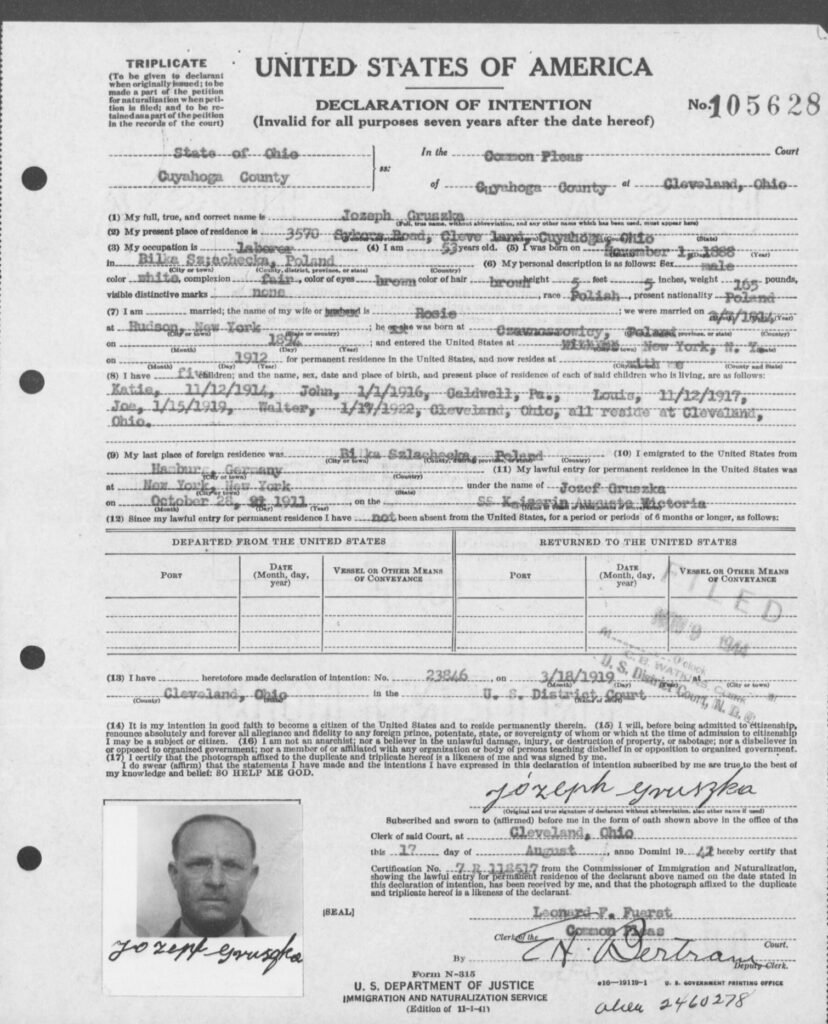
Detailed witness information usually appears on the petition for naturalization rather than the declaration of intention. Standardized federal forms after 1906 normally give each witness’s name, occupation and residence. Earlier local court practices varied, so some files contain only brief affidavits or docket entries.
A network research method
- Transcribe each witness exactly, including address and occupation
- Find the witness in the same census and city directory as the applicant
- Check whether the witness appears as a godparent, marriage witness or obituary survivor
- Search the witness’s passenger and naturalization records for a more precise birthplace
- Build a small table of shared addresses, employers, parishes and society memberships
Follow the address, not only the surname
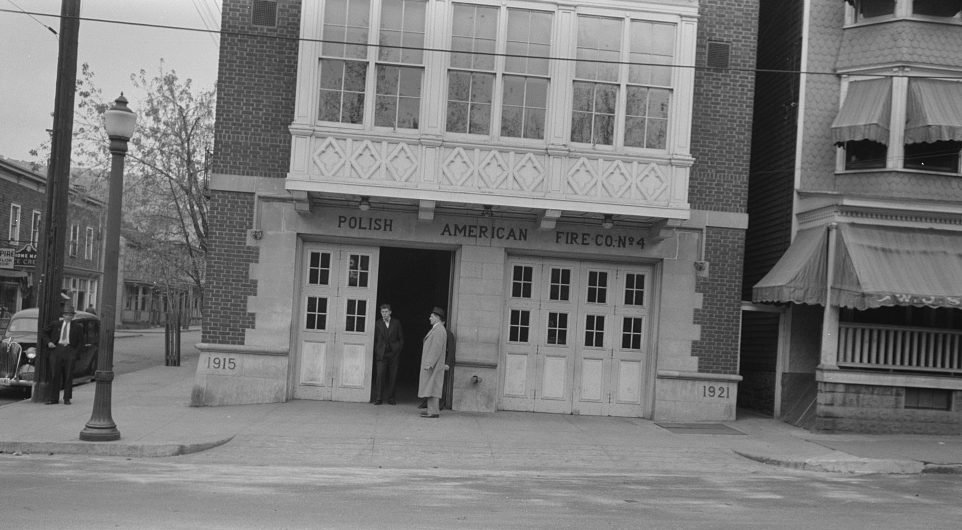
Polish surnames were frequently misspelled, while a street address is often stable across a census, directory and petition. Search everyone at the witness’s address. Lodgers and families in the same building may have come through the same migration chain even when their surnames differ.
Where to obtain the complete petition
Federal court naturalization records dated before October 1991 are generally held by NARA regional facilities. State and county court records may remain with the court, a state archive or a regional depository. A name index entry is only a locator; request the petition and every attached page.
Treat a witness relationship as a hypothesis until another record confirms it. A coworker or professional witness can appear repeatedly without being related to the applicant.
Sources and research tools
How we can help
Our research tracks witnesses across court, census, parish and passenger records so that a name on one petition becomes a documented part of the family’s migration network.