US Records · 1942 Old Man’s Draft
On April 27, 1942, the Selective Service registered men born from April 28, 1877 through February 16, 1897. The Fourth Registration is commonly called the Old Man’s Draft, although its purpose was to inventory manpower and skills rather than induct these older men into military service.
Who appears in the registration
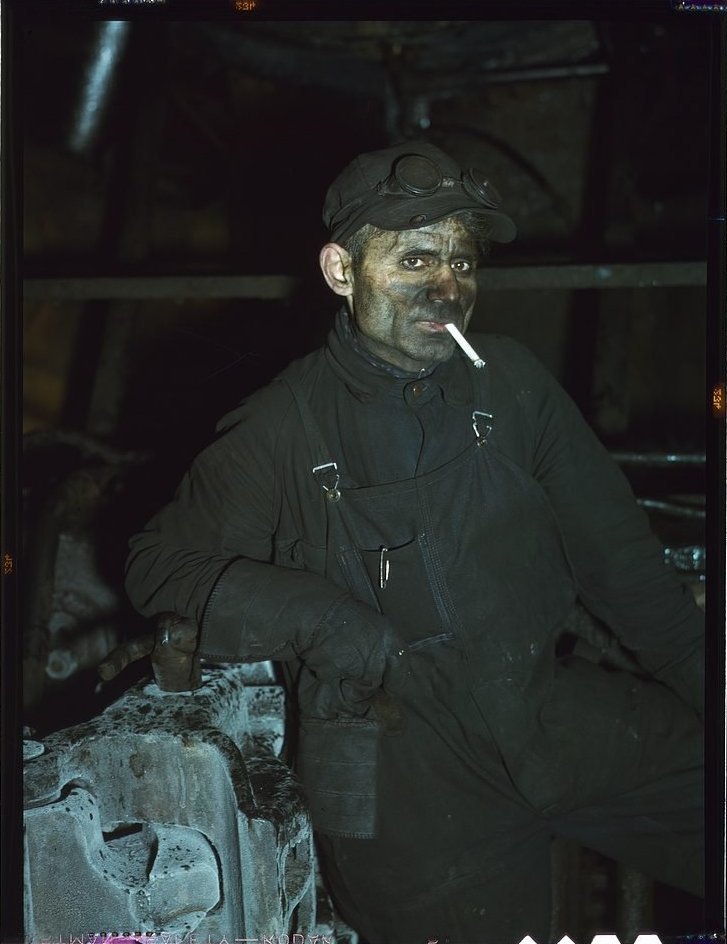
The age range includes a large part of the Polish immigration wave before World War I. Citizenship was not required, so naturalized citizens and resident noncitizens could both appear. A man outside the date range belongs to another Selective Service registration and may have different access rules.
What the card records
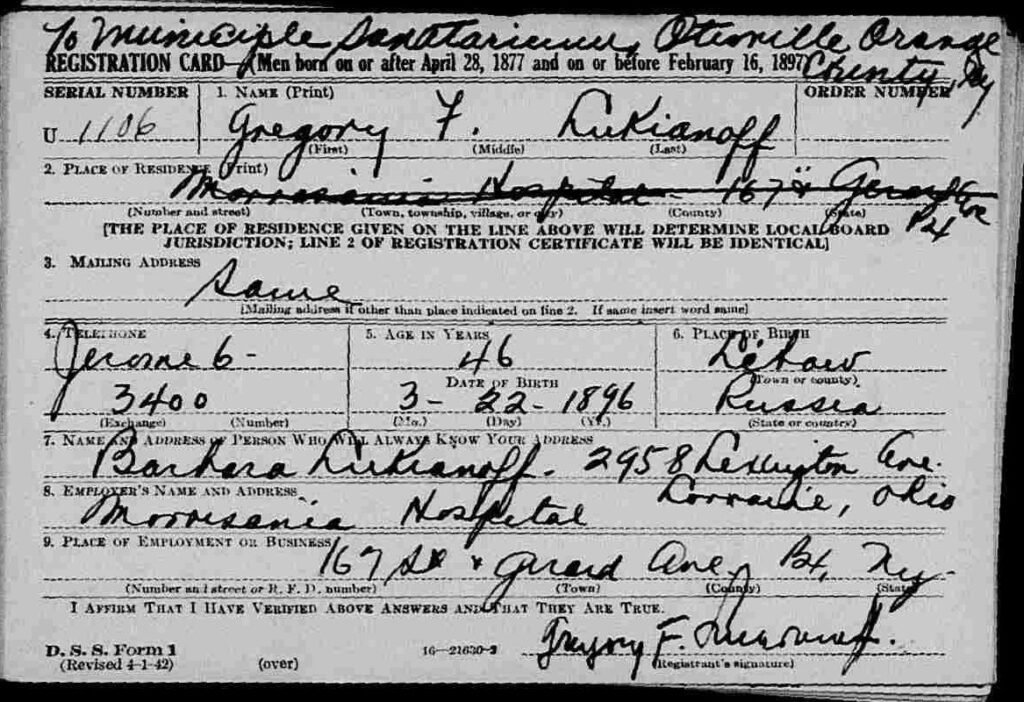
- Full name and serial number
- Residence, mailing address and telephone
- Date and place of birth
- A person who would always know the registrant’s address
- Employer and place of employment
- Height, weight, eye and hair color and distinguishing marks
- The registrant’s signature
Why the contact person is important
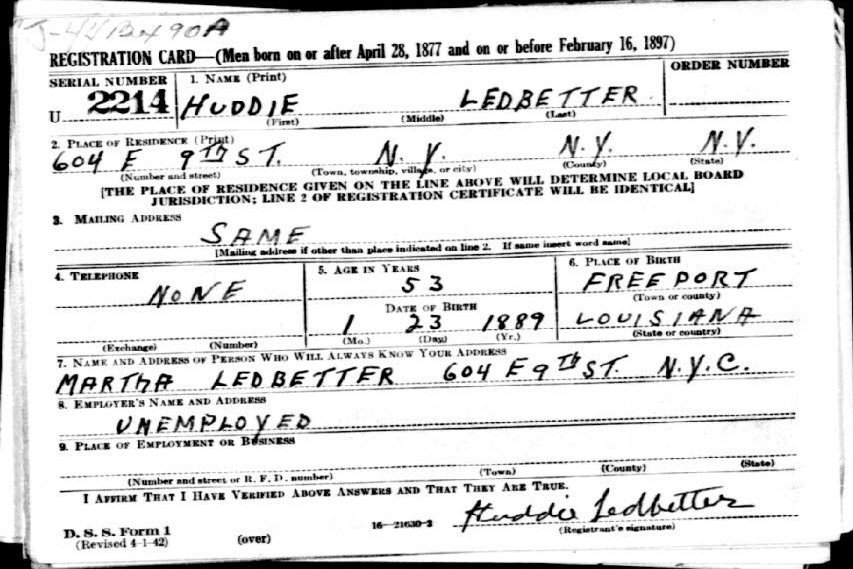
The person who would always know the registrant’s address was often a wife, adult child, sibling or close friend. Research that person as a separate individual. A married daughter can explain an unfamiliar surname, while a coworker can lead to an employment or fraternal record.
Interpreting the birthplace
The card asks for a place, not just a country, and the registrant usually supplied the answer directly. Clerks could still misspell it, and some men used the nearest town or the partition-era form. Compare the handwriting with the naturalization petition, Social Security application and passenger list.
Coverage and missing cards
NARA reports that the fourth registration cards for Alabama, Florida, Georgia, Maine, Mississippi, North Carolina, South Carolina and Tennessee do not survive. For other states, availability can still differ by collection. Do not conclude that a man failed to register merely because a commercial index produces no result. Search name variants, browse the relevant state collection and check NARA’s current access guidance.
The Fourth Registration card is not proof of military service. It records registration for a manpower inventory, not an enlistment or induction.
Sources and research tools
How we can help
We use draft registrations with alien, census and employment records to identify the right Polish-born man and recover a birthplace written close to his own words.