US Records · State census records
Several states counted residents between federal census years. For a Polish family that arrived after one federal census and moved before the next, a state schedule can supply the missing address, household and citizenship clue.
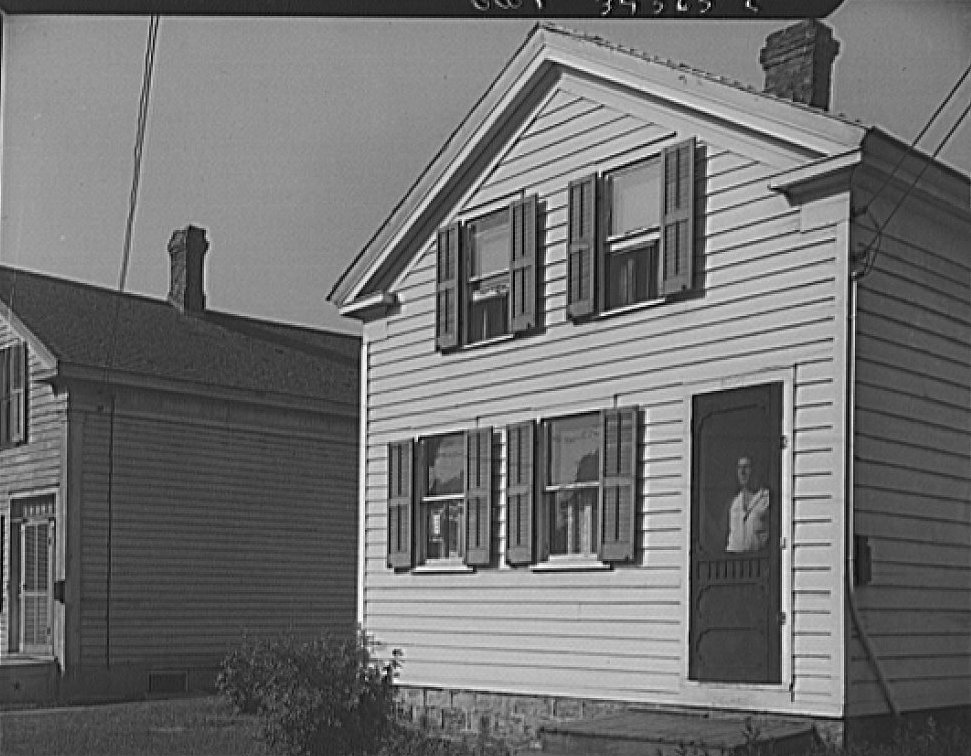
State censuses are not one collection
Each state chose its own years, questions and record custodians. Some schedules survive at a state archive, others at county offices or libraries, and some were destroyed. Always research the specific state, year and county before expecting a name index.
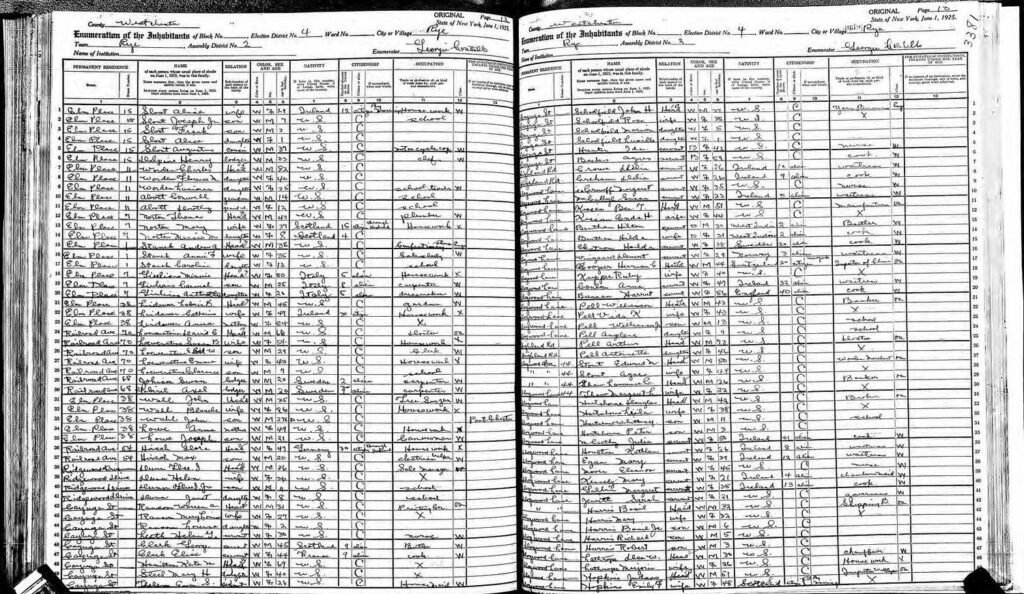
New York in 1915 and 1925
The New York State Archives holds the original 1915 and 1925 population schedules. Those years are especially useful for Polish neighborhoods in Buffalo, New York City and upstate industrial towns. The 1925 census can record citizenship status and the date and place of naturalization, subject to the form and entry.
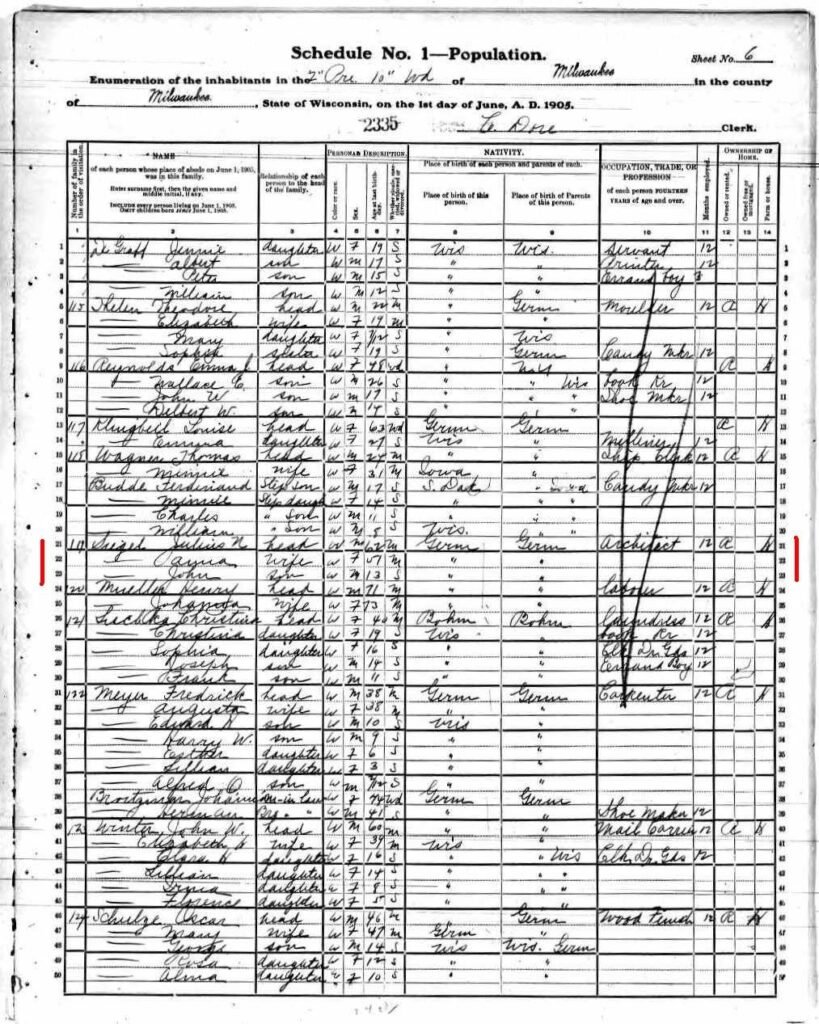
Wisconsin and the Upper Midwest
The Wisconsin Historical Society holds state and territorial censuses from 1836 through 1905 along with special federal schedules. Early state forms may name only the head of household and count other residents by category, while later schedules can be more detailed.
How to search effectively
- List every state where the family lived between federal censuses
- Check the state archive or state historical society for surviving years
- Use a city directory to establish the likely address
- Search name variants, then browse by locality if no index result appears
- Compare the household with the next federal census and naturalization record
Questions state schedules can answer
- Whether the family had arrived by a particular year
- Children who died or left home before the next federal census
- A move between city neighborhoods or across a state line
- Citizenship, occupation or military status on selected forms
- Relatives living in the same building or nearby
Do not generalize a field from one state or year to another. Read the column headings and enumerator instructions for the exact schedule.
Sources and research tools
- New York State Archives: state census records
- Wisconsin Historical Society: state and territorial census collections
How we can help
We use state schedules to close ten-year gaps, prove residence and locate the local records that connect an American household to its immigrant generation.