US Records · SS-5 vs Numident
For a Polish immigrant who worked in America after 1936, the Social Security file can name both parents and a hometown. The Social Security Administration sells two versions: a copy of the original SS-5 application and a Numident computer extract. Which one to order depends mostly on the year of birth.
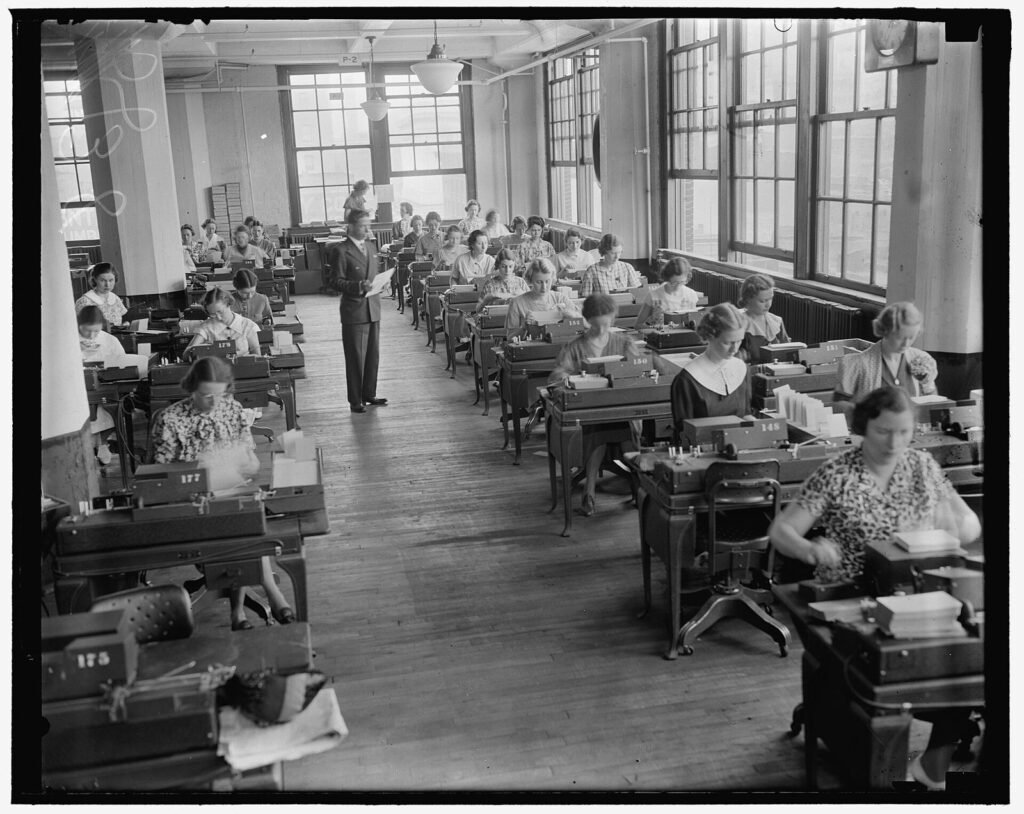
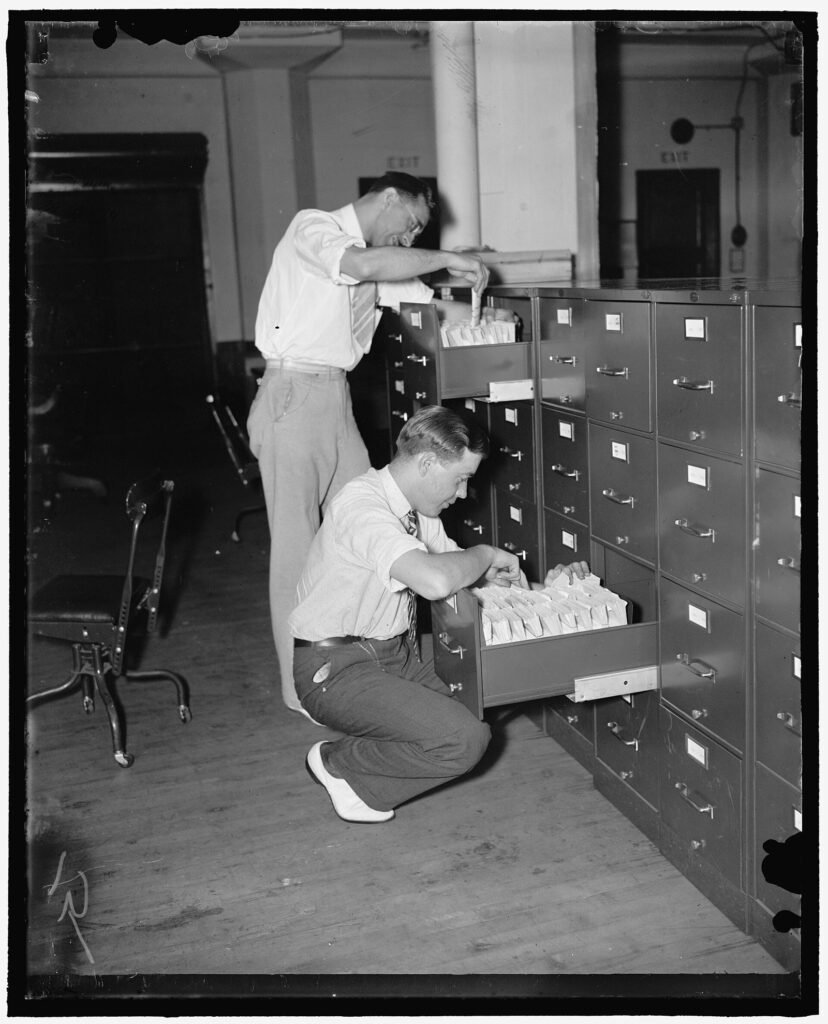
What does Numident mean?
Numident is short for the Numerical Identification file, the Social Security Administration’s master record of every Social Security number. It is a computer record built from the SS-5 applications and later updated with claims and deaths. The National Archives publishes a free, searchable version called Numerical Identification Files (NUMIDENT), covering 1936 to 2007 and only people who have died. A Numident is therefore a summary typed from the application, while the SS-5 is the form your ancestor filled out.
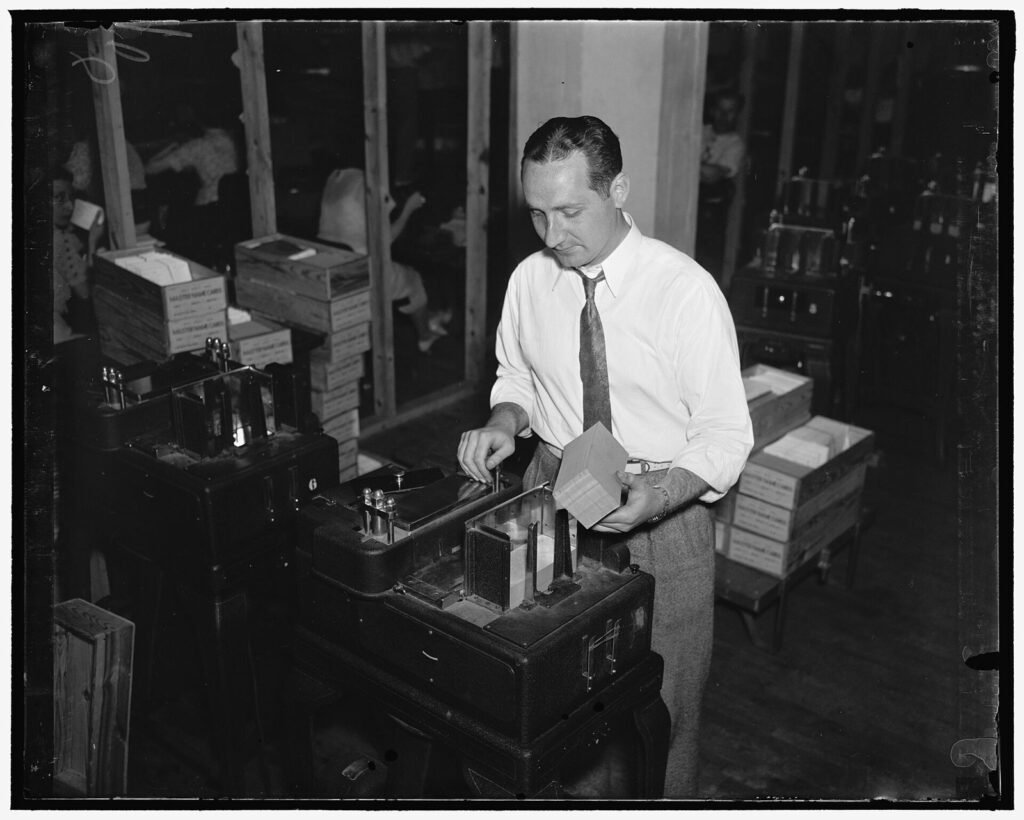
Two records from one application
The SS-5 is the form a worker filled in to get a Social Security number; the first ones went out through post offices and employers in November 1936. A copy of the original can show the full name (for many married women also the maiden name), address, employer, date and place of birth, father’s full name, mother’s full maiden name and the applicant’s signature.
The Numident is a computer record. SSA moved the older paper applications into its electronic system in the 1970s and kept adding later events: replacement cards, name changes, benefit claims and the death. That helps when you follow a daughter through two marriages. But it is a transcription into short fields, and SSA states that many Numidents for people born in 1910 or earlier are abbreviated: they omit the parents’ names and may omit the place of birth.
| Situation | Order |
|---|---|
| Born in 1910 or earlier, like most immigrants of the great migration | SS-5, because the Numident may lack parents and birthplace |
| Born after 1910, with marriages or name changes | Numident, or both |
| You want handwriting and a signature to compare with other papers | SS-5 |
Current SSA fees and how to order
Requests go to SSA’s Freedom of Information Act office, online through its FOIAXpress Public Access Link or by mail with Form SSA-711. SSA lists these fees from October 1, 2026, and will not process a request without the exact payment:
| Record | Fee | Certification |
|---|---|---|
| Photocopy of the original SS-5 | $23 | $10 more |
| Numident computer extract | $22 | $10 more |
SSA expects to update the SSA-711 in November 2026, so an older printed form may show other prices. Check the current fee on the SSA FOIA page before you pay.
Proof of death, the 120-year rule and parents’ names
SSA releases a record with the number holder’s consent, with proof of death, or when the person would be more than 120 years old. Parents’ names need one of three things: consent or proof of death for the parents, a number holder at least 100 years old with proof of death, or a number holder more than 120 years old. In 2026 that means:
- Born in 1905 or earlier: no proof of death needed
- Born from 1906 through 1925: send proof of the number holder’s death
- Born after 1925: send proof of death for the number holder and both parents, or expect the parents’ names to be redacted
Acceptable proof includes a copy of a public death record, a funeral director’s statement or an obituary with enough identifying detail. SSA is not always told about a death, so send proof anyway.
Search the free indexes first
The National Archives offers the Numident files free in its Access to Archival Databases (AAD). They cover 1936 to 2007 for people with a verified death or who would have been over 110 by December 31, 2007, in separate application, claim and death files split by surname. Application and claim entries can include the parents’ names and the birth city and country, though not every field is filled in.
- Choose the file for the first letter of the surname, then try other spellings, such as W and V, or Sz and Sch
- Type at least three letters and a wildcard: WISN* finds Wisniewski and Wisnewski
- The birth city field holds only 12 characters, so search the start of the town name with a wildcard
- Select every country code that could apply: Poland (PLf), Russia (RSf), Austria (AUf), Germany (GMf), and Lithuania (LHf) or Ukraine (UPf) for the eastern borderlands
- Once you have the number, search the whole series by it to collect every entry
FamilySearch has the same NARA data free as “United States, Social Security Numerical Identification Files (NUMIDENT), 1936-2007”, without the Social Security numbers. Ancestry’s “U.S., Social Security Applications and Claims Index, 1936-2007” hides parents’ names unless the person would be at least 75 today.
Polish names on Social Security records
- The birthplace may say only Poland, Russia, Austria or Germany, or give a village spelled by ear. The index has no Polish letters, so Łódź is LODZ
- Parents’ first names may be in English: Jan as John, Józef as Joseph, Wojciech as Albert
- A maiden name may be feminine (Kowalska), masculine (Kowalski) or phonetic
- A woman can have one application entry under her maiden name and another under her married name; the death entry is usually under the married name
Railroad workers: numbers from 700 to 728
Before July 1, 1963, the Railroad Retirement Board issued original Social Security numbers in the 700 to 728 series to railroad employees. A number in that range points to railroad work and a possible claim folder. Inactive folders are at the National Archives at Boston, for rail work after 1936 under the Railroad Retirement Act, and NARA charges $0.80 per page once it confirms a folder exists. Recently active files stay with the Board. See our guide to Railroad Retirement records.
Step by step
- Collect name variants, birth year, death date and place, and a death certificate or obituary
- Search AAD and FamilySearch, and note the Social Security number
- If it starts with 700 through 728, plan a Railroad Retirement request too
- Choose the SS-5 for births in 1910 or earlier, the Numident or both for later births with name changes
- Attach proof of death for the number holder and, if needed, the parents
- Check the current fee and submit with the exact payment
- Compare the result with naturalization, census and parish records before searching in Poland
A hypothetical example
The people in this example are invented. Stanley Wisniewski was born in 1898 and died in Buffalo in 1971. In the AAD application file for surnames U through Z, WISN* with birth year 1898 and the codes for Poland and Russia finds one entry: birthplace Russia, father Joseph, mother blank. Born before 1910, he likely has an abbreviated Numident, so the family orders the SS-5. He would be over 120, so no proof of death is needed. The form, in his hand, gives “Plotsk, Russia” and his mother as Marianna Kaminska, a maiden name to test in the parish registers around Płock. For his daughter Helen, born in 1928, the family would also need proof of Stanley’s and Marianna’s deaths to see her parents’ names.
A Social Security Death Index entry comes from SSA’s death data, not from the application. Use it as a locator, not as a substitute for the SS-5.
Sources and research tools
- Social Security Administration: request an SS-5 or Numident
- National Archives AAD: Numerical Identification Files (NUMIDENT)
- SSA: Social Security numbers for railroad employees
- National Archives: Railroad Retirement Board records
How we can help
We order the appropriate SSA record, handle the supporting evidence and compare the result with the complete American paper trail.