US Records · Railroad Retirement records
Railroad employment created a federal retirement paper trail separate from Social Security. If a Polish-American ancestor worked for a covered railroad, a Railroad Retirement Board claim folder may document the worker, spouse and dependents in unusual detail.
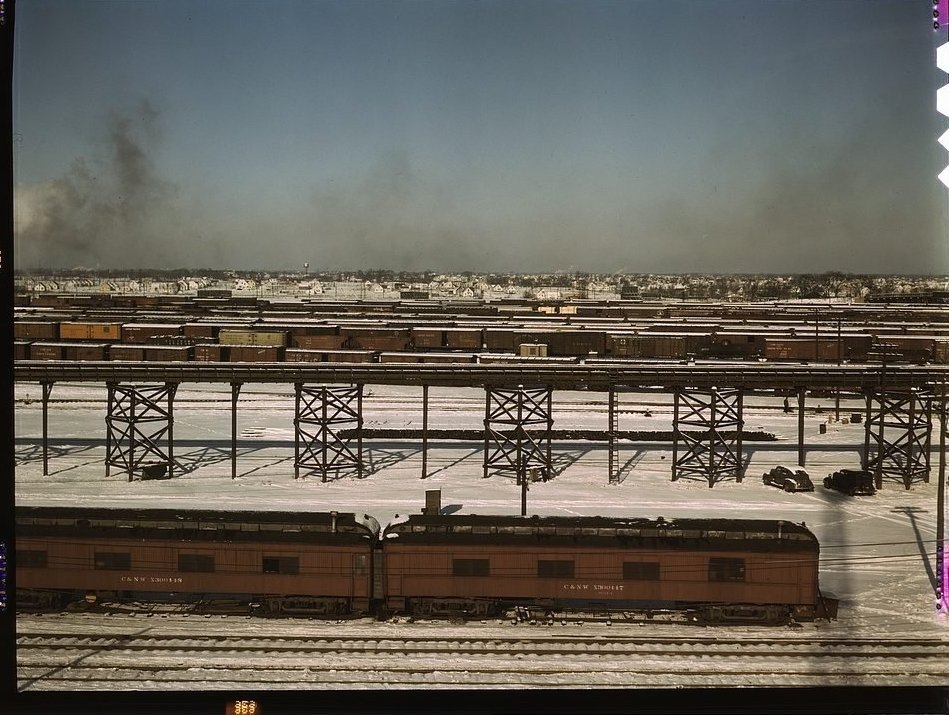
Who may have a claim folder
The Railroad Retirement system began in the 1930s. A worker or survivor who filed for a benefit could create a folder, but employment by a street railway, industrial plant or short-lived contractor does not automatically mean federal railroad coverage. Establish the employer before requesting a search.
Information to gather first
- Worker’s full name and spelling variants
- Date and place of birth
- Social Security or Railroad Retirement number if known
- Railroad employer and occupation
- Approximate years and locations of employment
- Spouse, death date and last residence
What a file may contain
The contents vary with the claim. A folder can include applications, employment evidence, correspondence, marriage or death documentation and information about eligible survivors. Treat it as a case file, not a standardized certificate with the same fields for everyone.
Where the records are
The National Archives at Boston holds a large body of inactive Railroad Retirement Board claim folders. They cover railroad work after 1936, and employees of interurban and suburban electric lines are not included. More recent or active matters remain with the Railroad Retirement Board. NARA asks researchers to provide identifying and employment information so staff can determine whether a folder exists.
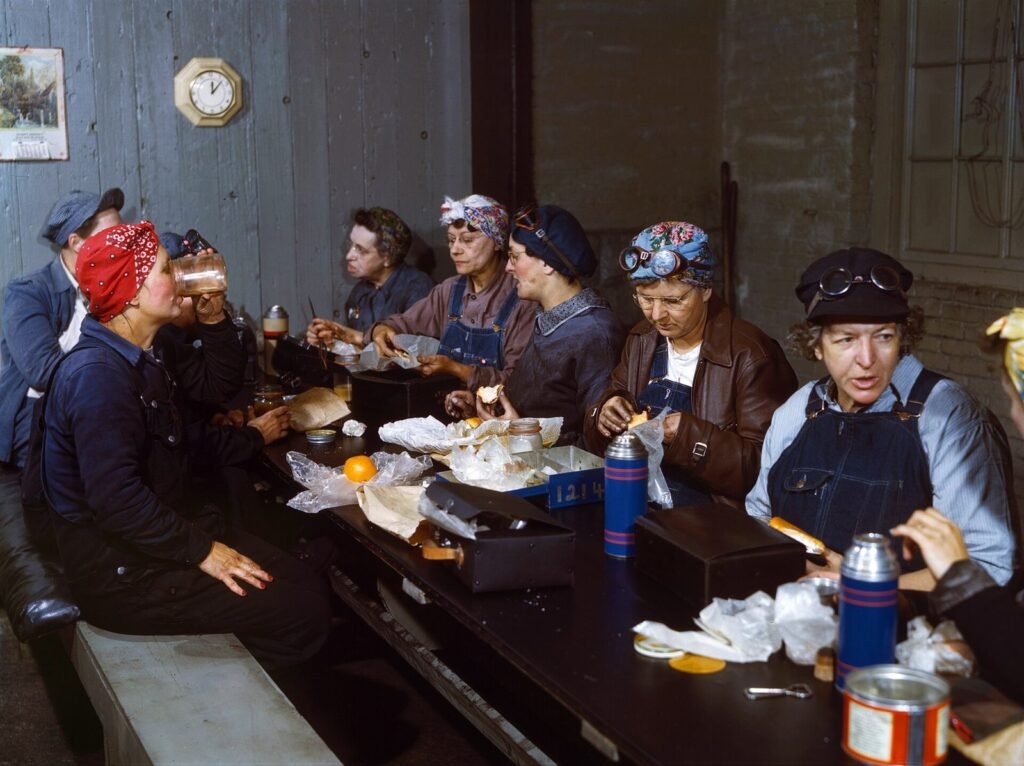
Connect railroad work to place
A city directory can identify the railroad and job, while censuses and draft cards locate the worker near a yard, shop or line. In Pennsylvania, the State Archives also holds Pennsylvania Railroad Voluntary Relief Department enrollment cards, a separate company benefit source that should not be confused with the federal claim file.
A negative NARA search does not prove the person never worked for a railroad. The worker may have lacked a claim folder or the relevant record may remain with another custodian.
Sources and research tools
How we can help
We identify the correct employer and repository, request the claim folder and integrate it with addresses, census records and vital documents.