US Records · Funeral home records
The funeral director often helped complete the death certificate, contacted the parish and cemetery, placed newspaper notices and recorded who paid. The firm’s own register may preserve details that were shortened or omitted from the civil record.
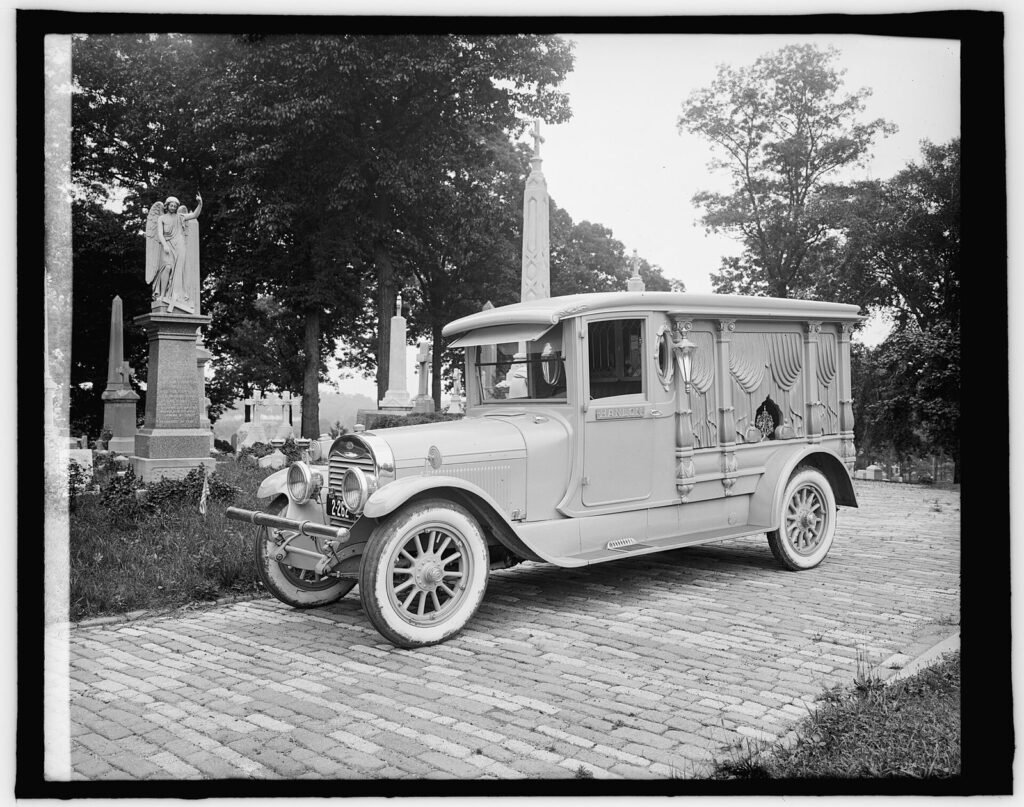
What a funeral record may contain
- Name and address of the person arranging the funeral
- Parents, spouse and other relatives
- Place of death and removal
- Parish, clergy and funeral service
- Cemetery, lot and burial date
- Newspaper notices ordered
- Costs, insurance assignments and society benefits
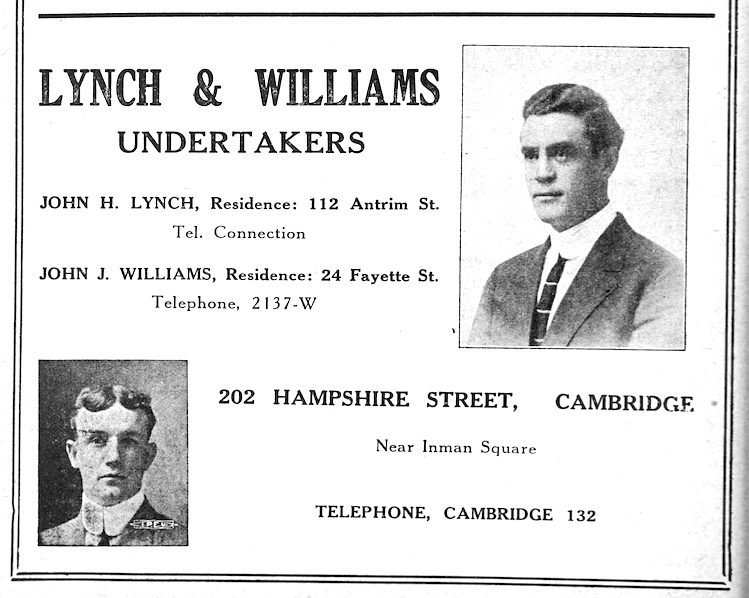
Identify the funeral home
Look at the death certificate, obituary, prayer card, cemetery interment record and parish burial entry. City directories can confirm the firm’s address and years of operation. A Polish-speaking funeral director often served the same neighborhood for decades.
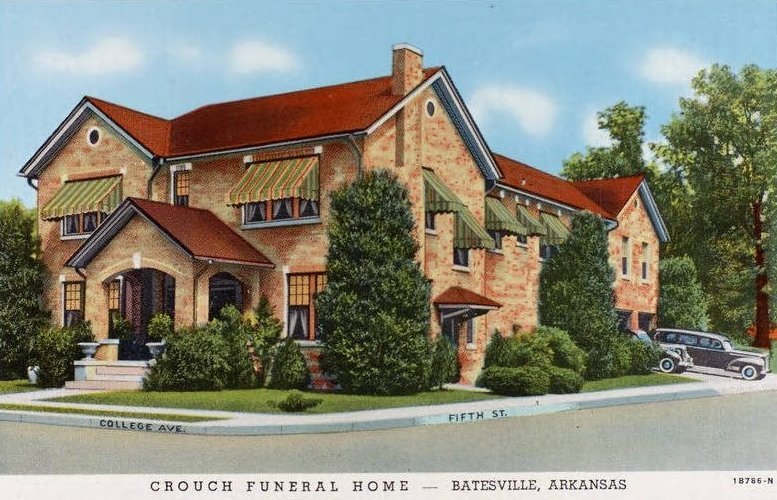
When the business closed
Records may have passed to a successor funeral home, a family member, a local historical society, a university collection or a state or regional archive. Search the firm’s name and address, not only the director’s surname. Ask for a register entry or case file for a specific deceased person and date.
Separate fact from repetition
The funeral home, obituary and death certificate may all repeat information supplied by the same informant. Three matching documents are not three independent sources if one person provided the birthplace and parents’ names to all of them.
Follow the financial clues
A lodge, union or fraternal benefit payment can identify an organization whose membership application survives. The person who paid the balance may be a child, sibling or in-law missing from the obituary.
Funeral home records are private business records unless transferred to a public repository. Access and survival vary, so make a focused and respectful request.
Sources and research tools
How we can help
We trace closed firms and successor custodians, obtain surviving entries and compare the informant’s claims with civil, parish and cemetery evidence.
Keep reading
Probate and guardianship records