US Records · Homestead files
A federal land patent is the final result of a claim. The land entry case file behind it can be far richer, containing testimony about residence, cultivation, citizenship, family and the improvements made on the property.
Federal land states and other states
NARA holds land entry files for the thirty federal public land states. The original thirteen states and several others used different land systems, so deeds and grants there are generally researched through state, county and historical repositories rather than a federal homestead file.
What can be in a case file
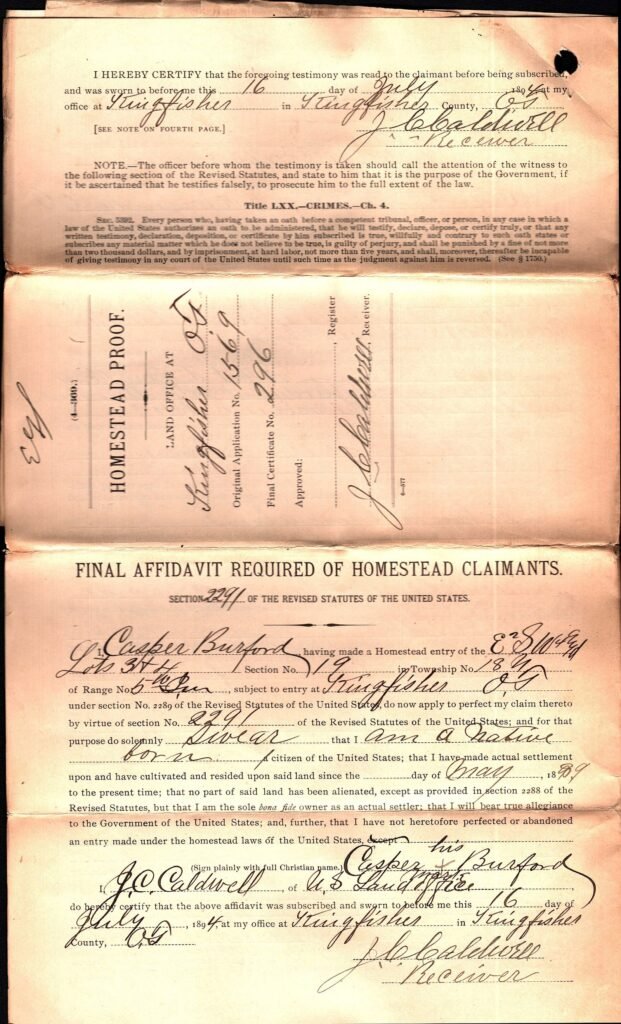
- Application and legal land description
- Homestead proof and testimony
- Citizenship or naturalization evidence
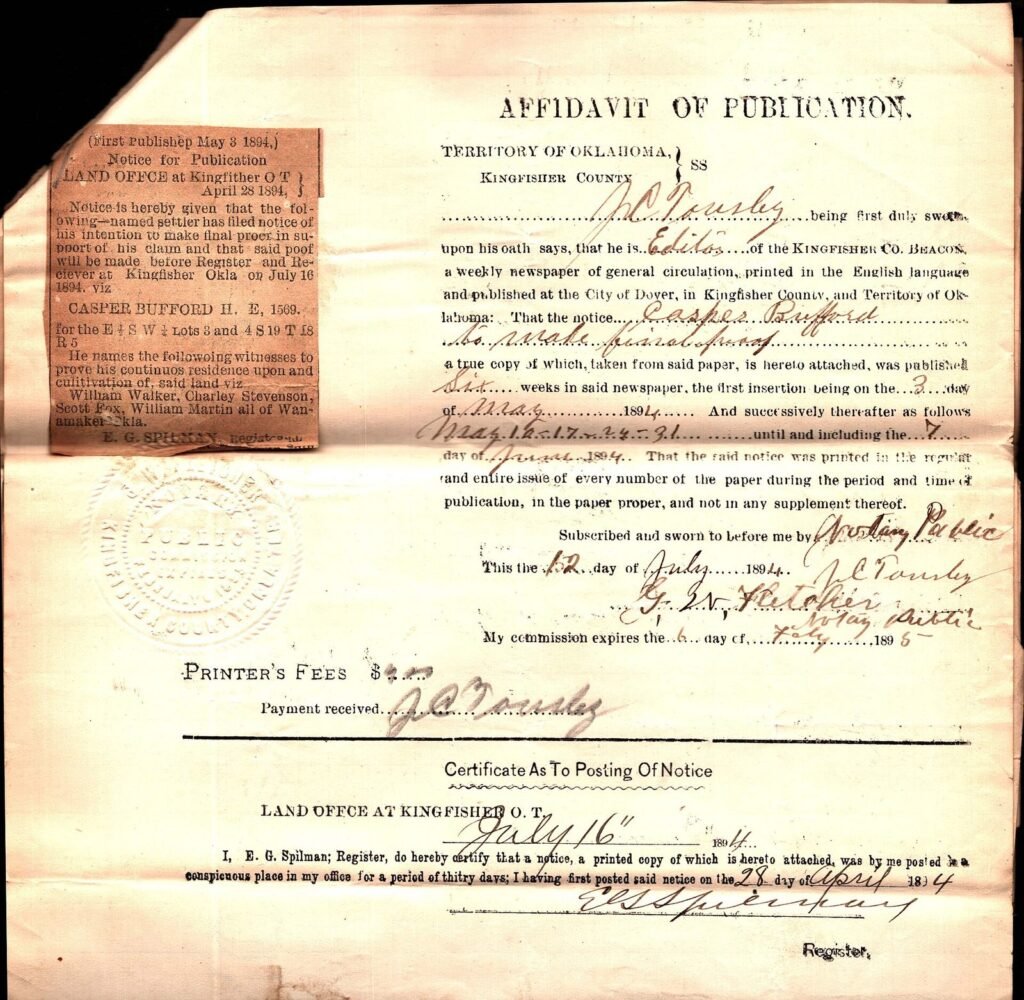
- Statements by neighbors
- Family residence and periods of absence
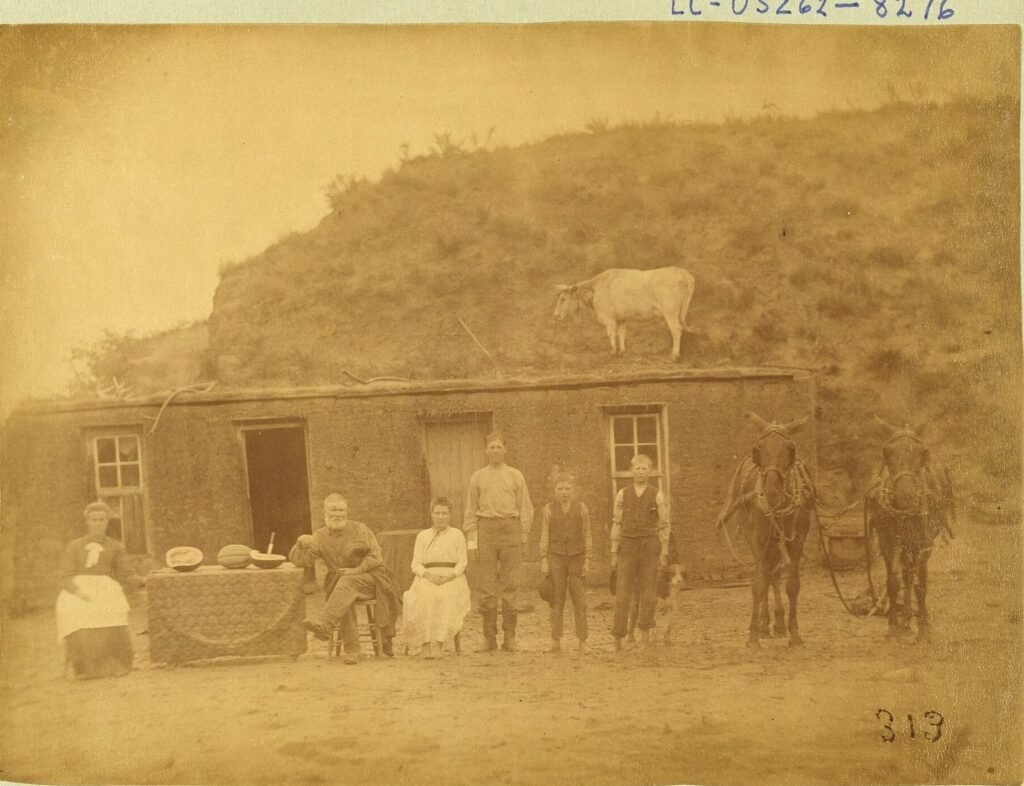
- Description of a house, crops and improvements
- Correspondence about a canceled or contested claim
Find the patent information
Begin with the Bureau of Land Management General Land Office database for patented entries. Record the state, land office, legal description, authority and document number. A failed or relinquished claim may not appear there even though a case file survives, so check NARA guidance for canceled entries.
Order the complete file
NARA explains how pre-1908 and later files are arranged and requested. Provide the exact land entry information rather than only a name. Ask for the whole case file because naturalization papers or affidavits may be buried among routine pages.
Connect land to migration
Use the federal file with state censuses, county deeds, tax records and local newspapers. Neighbor testimony may identify relatives or people from the same Polish settlement. Later county probate can show how the land passed to the next generation.
The word homestead is often used loosely. Confirm whether the transaction was a homestead, cash entry, military bounty, mineral claim or another federal land authority.
Sources and research tools
How we can help
We identify the exact entry, obtain the full federal file and combine it with county and state records to reconstruct the family’s settlement.